Why We Get Motivated at Night but Lazy in the Morning: Understanding Your Productivity Peaks
Morning sluggish? Night motivated? Learn the surprising brain patterns that control your productivity.
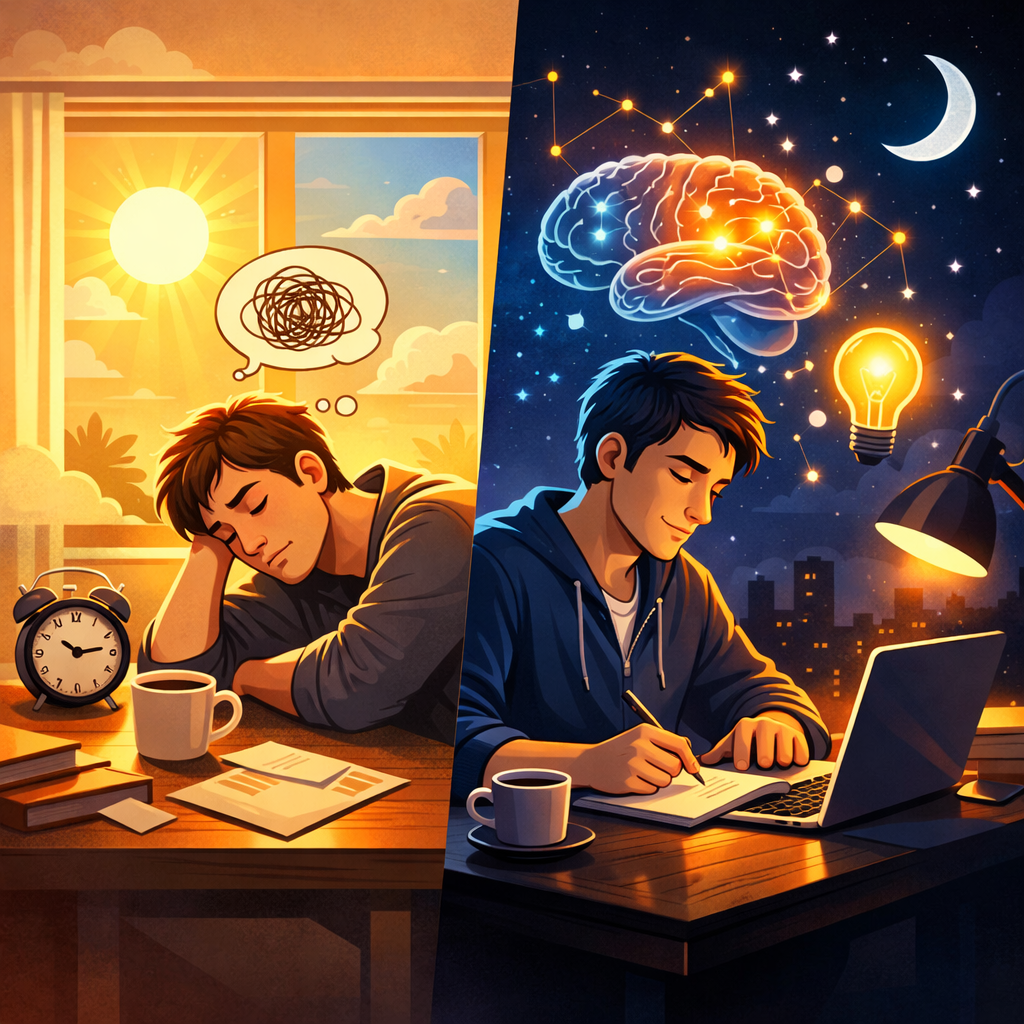
Why We Get Motivated at Night but Lazy in the Morning: Understanding Your Productivity Peaks
Have you ever noticed that you can barely get out of bed in the morning, staring at a long to-do list, only to suddenly feel alert, energized, and full of ideas at 11 p.m.? You sit at your desk, and everything seems to click — tasks that felt impossible in the morning now feel effortless. If this sounds familiar, you are not alone. Millions of people experience the same paradox: feeling sluggish in the morning while their motivation peaks at night.
In this article, we’ll explore why this happens, the science behind it, the common mistakes people make, and practical ways you can use this knowledge to get more done while feeling less stressed. By the end, you’ll have a deep understanding of your natural productivity rhythm and actionable strategies to harness it for your benefit.
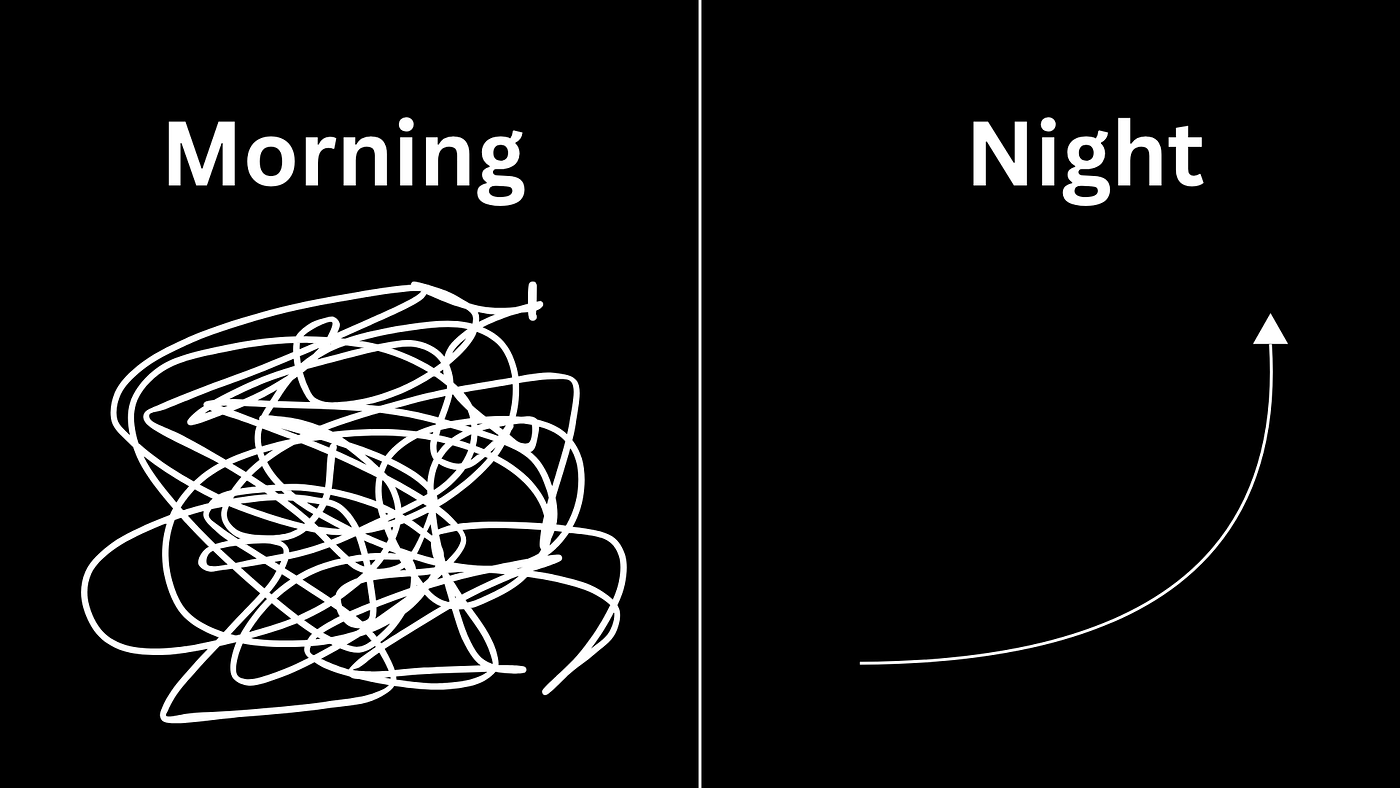
1. The Morning Slump: Why We Feel Lazy at the Start of the Day
The feeling of morning laziness is not just about being “lazy” or unmotivated. There are scientific reasons behind it:
Circadian Rhythms
Our bodies run on a natural 24-hour internal clock called the circadian rhythm. This rhythm regulates sleep-wake cycles, hormone production, body temperature, and alertness. For many people, cortisol (the “wake-up hormone”) gradually increases in the morning, but some bodies respond slower, making early hours feel sluggish.
Sleep Quality Matters
Even if you get a full 7–8 hours of sleep, your sleep quality affects morning energy. Interruptions, irregular sleep schedules, or staying up late can leave your brain foggy in the morning. This is why people sometimes feel mentally sharper at night — the brain has processed enough of the day’s information and is ready to focus.
The Psychological Factor
Mornings are often associated with obligations, stress, or pressure: meetings, deadlines, or chores. This anticipation can create mental resistance, making it harder to start tasks, even simple ones. At night, the absence of external pressure allows the mind to relax and flow freely.
Personal Observation: I’ve noticed that even after a full night of sleep, I sometimes stare at my to-do list at 7 a.m. and feel drained. But by 10–11 p.m., I could write, plan, or solve problems effortlessly. That contrast isn’t laziness — it’s simply my brain’s peak time for creativity and focus.
2. Why Nighttime Motivation Peaks
So why do so many of us feel “magically productive” at night?
Brain Chemistry
At night, dopamine — the neurotransmitter responsible for focus and motivation — can peak for certain people, especially creative thinkers or introverts. This creates a natural surge of energy and creativity, making complex tasks feel easier.
Fewer Distractions
Evening hours are quieter. Phones, emails, coworkers, and daily interruptions are minimized. The brain can focus fully, which enhances motivation and efficiency.
Psychological Freedom
Without the pressure of daytime obligations, our minds feel liberated. Tasks feel optional rather than mandatory, which paradoxically increases our motivation.
Insight: Many writers, programmers, and artists thrive at night because their brain feels “permissioned” to create. The absence of daytime stress encourages deep work — focused, uninterrupted work that produces the best results.
3. Common Mistakes People Make
Understanding why you’re lazy in the morning but productive at night is only the first step. Many people fight their natural rhythm, which backfires:
Forcing Complex Tasks Early
Trying to write, strategize, or plan your week at 6 a.m. often fails. Your brain may not be ready for high cognitive load.
Ignoring Your Peak Energy Times
People schedule important work based on habit, not biology. Forcing a night owl into a strict 9–5 schedule reduces productivity.
Skipping Morning Energy Boosters
Hydration, exposure to sunlight, stretching, or short walks in the morning can help your brain wake up — yet most ignore these.
Staying Up Too Late Without Purpose
Nighttime motivation is real, but staying up excessively can disrupt sleep, creating a vicious cycle of morning fatigue.
Personal Tip: I noticed that when I respected my night productivity and structured my morning for simple, repetitive tasks, I achieved more without feeling exhausted.
4. How to Use This Knowledge Effectively
Knowing your natural rhythm allows you to work smarter, not harder. Here’s how to harness your peak energy times:
Step 1: Identify Your Productivity Peaks
Track your energy levels for a week.
Note when you feel most alert and creative (morning, afternoon, night).
Use an app or journal to mark your high-performance hours.
Step 2: Schedule Work According to Your Peaks
Morning: simple tasks (emails, admin, routine work).
Evening: creative, problem-solving, or high-focus work.
Step 3: Use Short Morning Hacks
Even if mornings aren’t your peak, you can boost energy:
Drink water immediately after waking up
Do 5–10 minutes of stretching or movement
Get natural sunlight exposure
Avoid heavy morning decisions; plan them at night
Step 4: Respect Your Nighttime Productivity
Set a clear goal for your night session
Avoid distractions (phone, social media)
Break work into 25–50 minute deep-focus sessions
Reward yourself with rest afterward
Step 5: Balance Sleep
Use your night productivity without compromising sleep
Aim for a consistent sleep schedule
Short naps can offset early-morning sluggishness
5. Surprising Facts You Probably Didn’t Know
Night owls are often more creative — studies show late-night thinkers score higher on divergent thinking tests.
Morning people are not lazy — their brains just peak at different times.
Decision fatigue is lower at night — when the day’s responsibilities are done, your brain can focus better on complex problems.
Your environment affects motivation — dimmer lights, quieter surroundings, and fewer interruptions stimulate night focus.
6. Applying This to Your Life (Practical Exercises)
Exercise 1: Time Tracking
Track your daily energy for 2 weeks
Note productive vs lazy hours
Adjust your schedule accordingly
Exercise 2: Task Matching
List tasks by cognitive load (simple vs complex)
Schedule complex tasks during your high-energy hours
Save repetitive work for low-energy periods
Exercise 3: Micro-Habits
Morning: drink water, stretch, open curtains
Night: plan tomorrow, tackle one creative task, journal insights
Personal Tip: I started doing my “big thinking” at night and routine tasks in the morning — productivity skyrocketed, and mornings felt less painful.
7. Conclusion: Understanding Your Rhythm is the Key
Feeling motivated at night but lazy in the morning isn’t a flaw — it’s your brain’s natural rhythm. Once you understand why it happens, you can:
Align tasks with energy levels
Improve focus and efficiency
Reduce stress and frustration
Unlock creative potential
Actionable Takeaway: Stop fighting your biology. Instead, embrace your night motivation while gently optimizing your mornings. With small changes, you can finally feel productive all day long without guilt or exhaustion.


✅ Reader Takeaway
Track your energy patterns
Align tasks with natural peaks
Use small morning hacks to reduce sluggishness
Respect your nighttime productivity
Balance sleep for long-term results
By following this, you’re not just reading — you’re learning a skill everyone ignores: how to work with your own brain, not against it.
Comments (0)
Leave a comment
No comments yet. Be the first to share your thoughts!
About the Author

A passionate and creative content writer with over one year of experience at Fount Beyond, specializing in engaging, informative, and research driven articles. Skilled at turning ideas into compelling content that informs, inspires, and connects with readers. Always eager to explore new topics, bring fresh perspectives, and grow as a writer.