Society
Why Do We Trust Expensive Products More Than Cheaper Ones at All?
Why does a higher price make something feel more trustworthy before we even try it? Are we paying for better quality, or buying into a story created by brands, packaging, and our own expectations? From expensive skincare to designer bags, discover why price influences our choices, when spending more actually makes sense, and whether the cheapest thing in the room might be hiding the smartest choice of all.
Share
Why Do We Trust Expensive Products More Than Cheaper Ones at All?
Have you ever compared two similar products and felt the expensive one must be better before trying either? You checked the price, and suddenly one option seemed safer.
The higher price almost whispered, “This one is worth trusting.”
But why do we listen?
Price is a number, quality is something we discover through experience. Yet a bigger number can make a product seem smarter, safer, and more desirable before it has proved anything.
So, does expensive really mean better? And if it sometimes does, how can we tell genuine quality from an illusion we have paid for?

When Did a Price Tag Start Telling Us a Story?
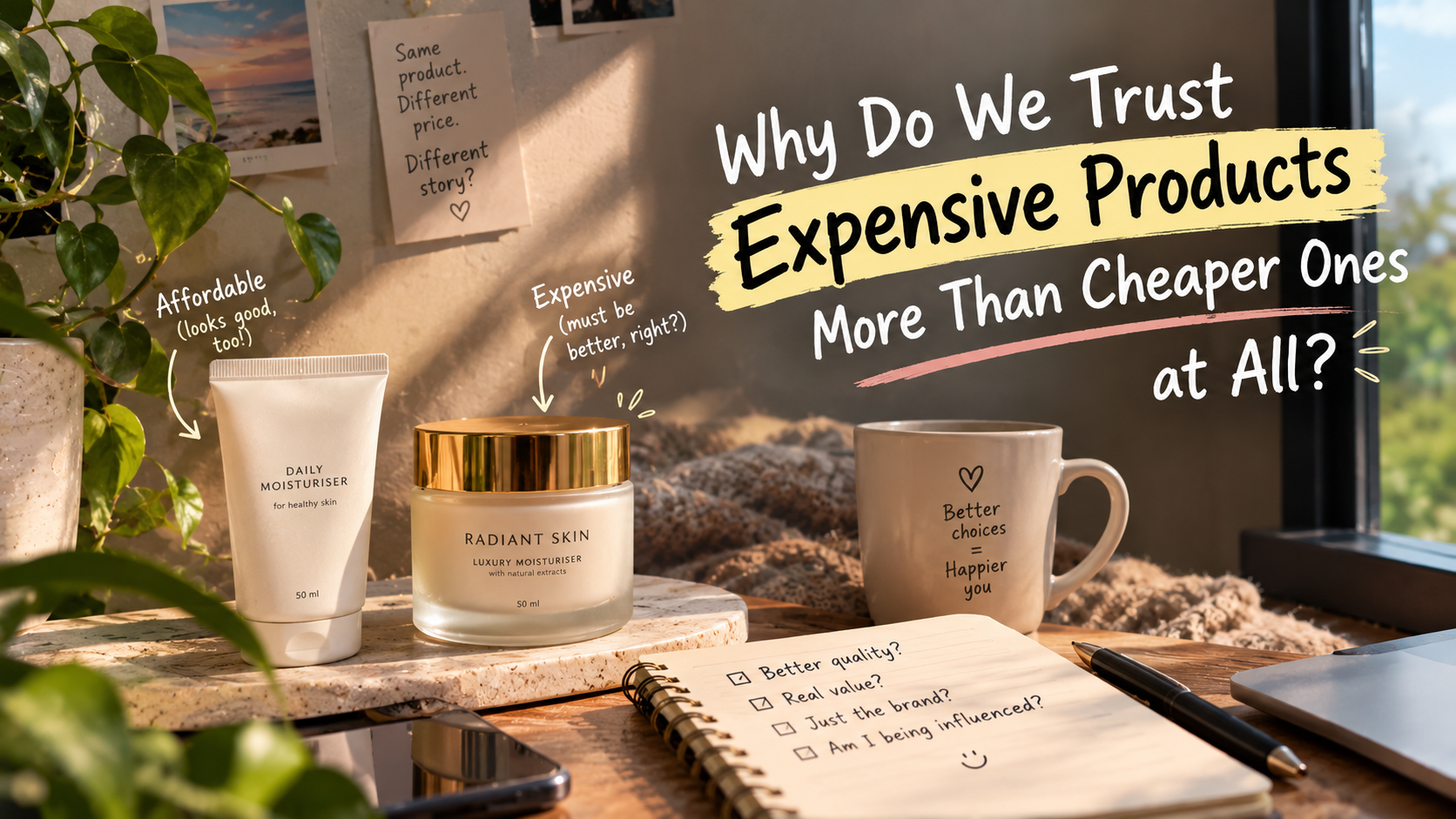
Imagine two moisturisers side by side: one affordable, one several times more expensive in a glass jar with elegant lettering. You have tried neither. Which feels more trustworthy?
The expensive product arrives with an invisible story: perhaps its ingredients are superior or its results justify the price. The jar becomes a promise.
Psychologists call this a price quality inference. When quality is difficult to judge before buying, people use price as a clue. That is not always foolish. Better materials, skilled workers, product testing, and dependable service can genuinely cost more.
Online, professional photographs, polished descriptions, and a premium price can make a product seem reliable. But photographs cannot reveal everything inside the package.
Sometimes, we are not comparing products. We are comparing the stories their prices encourage us to believe.
Why Do We Let Price Make Decisions for Us?
You cannot investigate every ingredient, process, review, and specification before every purchase. Your brain needs shortcuts, and price offers one.
A higher price may suggest that a company has invested more in its product. We might assume it uses better ingredients, employs skilled workers, or follows stricter quality standards. Sometimes those assumptions are correct. Other times, the price reflects advertising, packaging, retailer margins, or the brand’s popularity.
Consider a phone charger. Choosing the cheapest unknown charger without checking its safety could be unwise. But automatically choosing the most expensive one is not necessarily sensible either.
Ask which charger has credible safety information, compatibility, and reliable performance.
That takes more effort than comparing price tags, but it points towards evidence. Shortcuts become unreliable when we mistake convenience for certainty.
Can Expecting Something to Be Better Make It Feel Better?
Expectations can influence not only what we buy, but how we experience it.
Research has explored how price affects people's experience of products, including wine. In a well known 2008 experiment, researchers used brain imaging during wine tasting. Participants reported greater enjoyment when they believed they were tasting more expensive wine, and brain activity linked to experienced pleasantness also differed. Some comparisons used the same wine presented at different stated prices.
Our beliefs shape experience: expectations can influence what we notice and how satisfying something feels.
Imagine buying an expensive face mask. Afterwards, you might inspect your skin more closely, searching for softness, brightness, or a smoother appearance. If you expect impressive results, ordinary sensations may feel more significant.
Satisfaction, however, cannot prove that a product is safer, more effective, or longer lasting. Expectations colour experience, they cannot replace evidence.
Is the Packaging Selling the Product or Our Imagination?
A product reaches our eyes before it reaches our hands. We see its logo, colours, packaging, shop display, website, and photographs. Each detail builds an impression. A thick box may suggest luxury, minimal packaging can imply sophistication, and gold lettering can make an ordinary bottle feel exclusive.
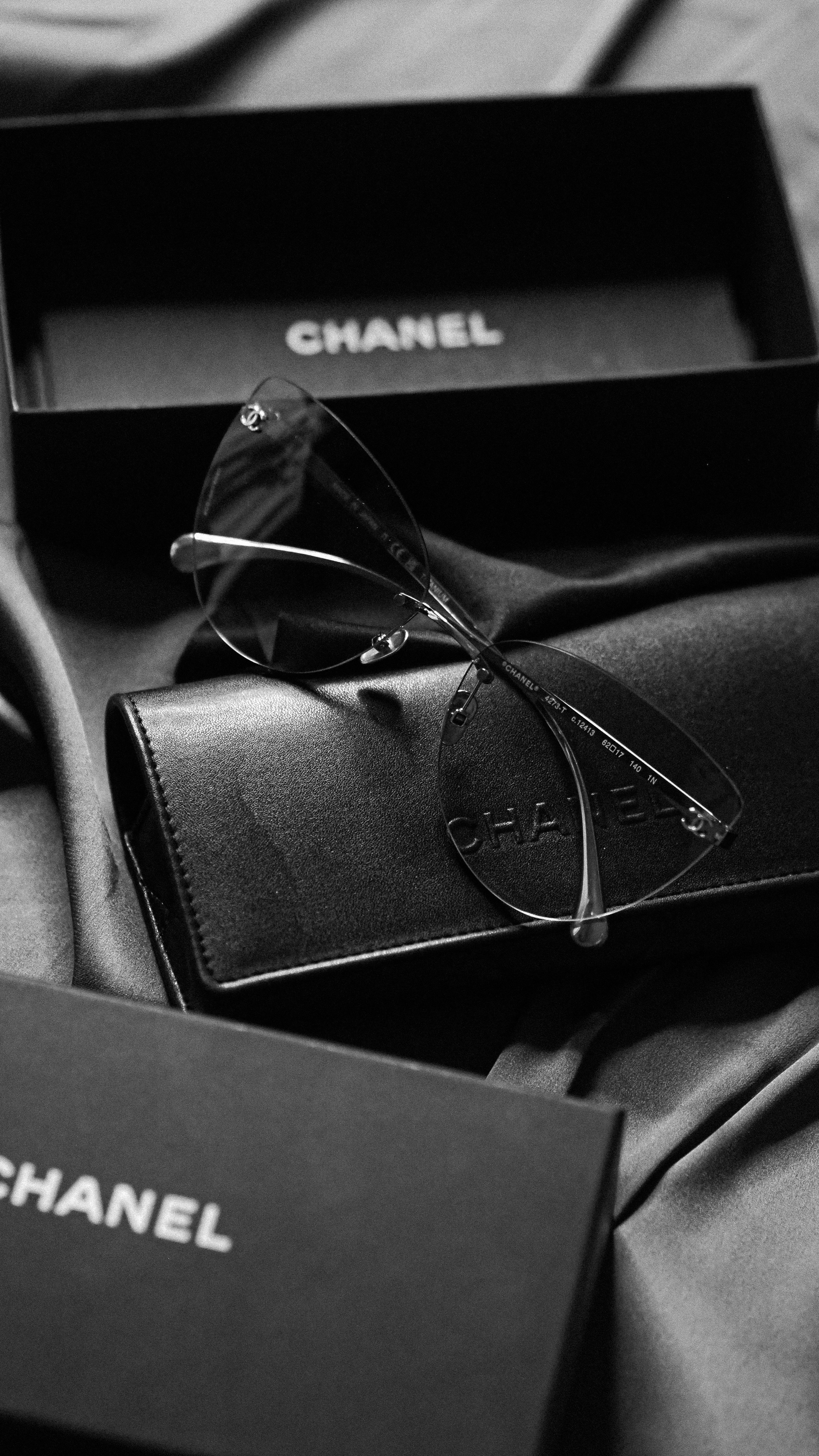
Packaging is not automatically dishonest: it can protect products, communicate information, and improve usability.
But presentation can distract us from the questions that matter.
Imagine two handbags. One arrives in a beautiful box with a branded dust bag and handwritten thank you card. The other comes in plain packaging. If both have similar materials, stitching, and durability, is the first worth much more?
Perhaps the unboxing experience brings pleasure, and that pleasure has value. But it is different from paying extra for a stronger bag. Sometimes we pay for the product, sometimes we pay for the experience around it. The trick is knowing which one we actually want.
Does Buying Cheap Automatically Mean Buying Bad?
Absolutely not. An affordable product can be practical, durable, and perfectly suited to someone's needs. An expensive product can disappoint just as easily.
A lower price might reflect simpler packaging, less advertising, or a different business strategy. A simple notebook can work without a designer label, and a basic moisturiser may suit someone better than a premium formula they do not need.
The right comparison depends on the purchase. For shoes, comfort, fit, stitching, and durability may matter more than a logo. For skincare, ingredients, suitability, and credible evidence matter more than a luxurious lid. For electronics, safety, compatibility, reliability, and warranty support deserve attention.
Of course, extremely low prices can sometimes signal poor materials, weak quality control, or questionable safety. That matters particularly when a product could cause harm if it fails.
Still, cheap is not a synonym for bad, and expensive is not a synonym for good. Both are prices, not verdicts.
Why Do Some Expensive Products Actually Deserve Their Prices?
It would be just as misleading to assume that expensive products are always overpriced. Sometimes, the higher cost has a genuine explanation. Better raw materials, skilled labour, careful manufacturing, independent testing, responsible sourcing, and dependable customer support can all increase costs.
Durability can change the calculation, too.
Imagine buying two pairs of shoes. The cheaper pair becomes uncomfortable and falls apart after a few months. The more expensive pair fits properly and lasts several years. If you wear the second pair regularly, its higher upfront cost may deliver better value over time.
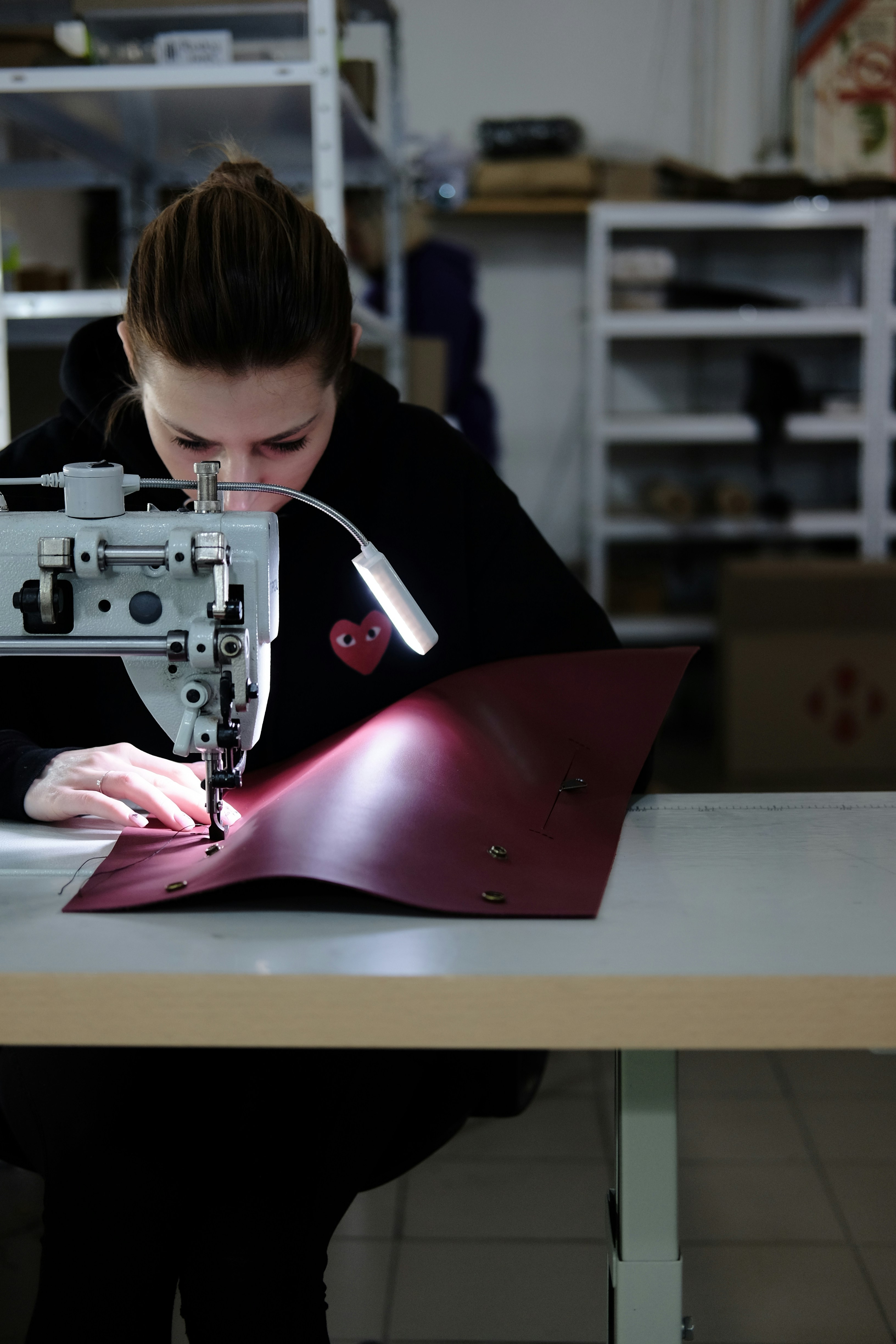
Cost per use helps: an item may prove economical if it performs well and lasts longer.
However, not every premium brand invests its extra income in better materials or craftsmanship. Some of the price may pay for celebrity campaigns, fashionable storefronts, exclusivity, or the prestige of the name itself.
Price sometimes correlates with quality, depending on the product and market. It is a clue worth investigating, not a universal law.
Who Taught Us That Expensive Means Successful?
We learn about price by observing people, culture, advertising, and how society talks about possessions.
From childhood, we notice which items are called special, which brands attract admiration, and which purchases are treated as signs of achievement. In some circles, an expensive watch, handbag, or phone can communicate status and belonging.
Advertising strengthens the association. Premium campaigns often sell a lifestyle instead of simply explaining what a product does. Social media can amplify the effect when expensive purchases appear beside images of success, confidence, and happiness.
Repeated exposure can make us believe a higher price means better taste, or that choosing affordable means settling.
But who decided spending more should make us feel more accomplished?
A product can be beautiful, useful, and worth buying without proving anything about our intelligence, success, or personal worth. Our shopping choices do not need to impress an imaginary audience.
What Should We Check Before Paying More?
The next time an expensive product catches your attention, pause and ask a few questions.
What exactly am I paying for? Is there a better material, stronger performance, longer warranty, or useful service? Or am I mostly paying for branding and presentation?
Can I find independent evidence? Compare specifications, credible reviews, safety information, repair options, and feedback from people who have used the product for a while. Look for consistent experiences rather than relying on one enthusiastic recommendation.
Will it save money over time? Consider durability, maintenance, replacement costs, and how often you will use it. A cheaper purchase that needs constant replacing may not be the better bargain.
Would I still want it without the logo? This can reveal whether you appreciate the product itself or feel drawn to the status attached to its name.
Does it meet my needs? Paying for features you will never use is not necessarily an investment. Sometimes, a simpler product is the smarter choice.
You do not need to research every purchase professionally. A brief pause can reveal whether your decision comes from evidence, habit, excitement, or pressure.
My Takeaway: Can We Trust Our Judgement More Than the Price?
I used to think that if a product cost significantly more, there must be a good reason. Sometimes there is. Better materials, thoughtful design, and reliable performance can justify paying extra. But sometimes the reason is a famous name, expensive advertising, or exclusivity we have learned to associate with quality.
Without looking closer, how can we know which explanation applies?
Using price as a clue is human. The challenge is recognising when a shortcut starts making decisions for us.
Next time two similar products sit beside each other and one costs much more, I want to resist assuming the cheaper option is inferior or the expensive one exceptional. I want to compare what each offers, how well it meets my needs, and whether the extra money buys something meaningful.
Perhaps the most expensive part of shopping is not always the product itself. Sometimes, it is the assumption we carry to the checkout.
A price tag tells us what a seller wants us to pay. It cannot tell us everything a product is worth.
Learning to recognise that difference might be one of the most valuable things we can take home without buying anything at all.
Comments (0)
Leave a comment
No comments yet. Be the first to share your thoughts!
About the Author

Zaynah F
Tell us a little about yourself.