Business & Marketing
Why Are Electric Vehicles Becoming the Future of Commercial Transport in a World Facing Fuel Shortages?
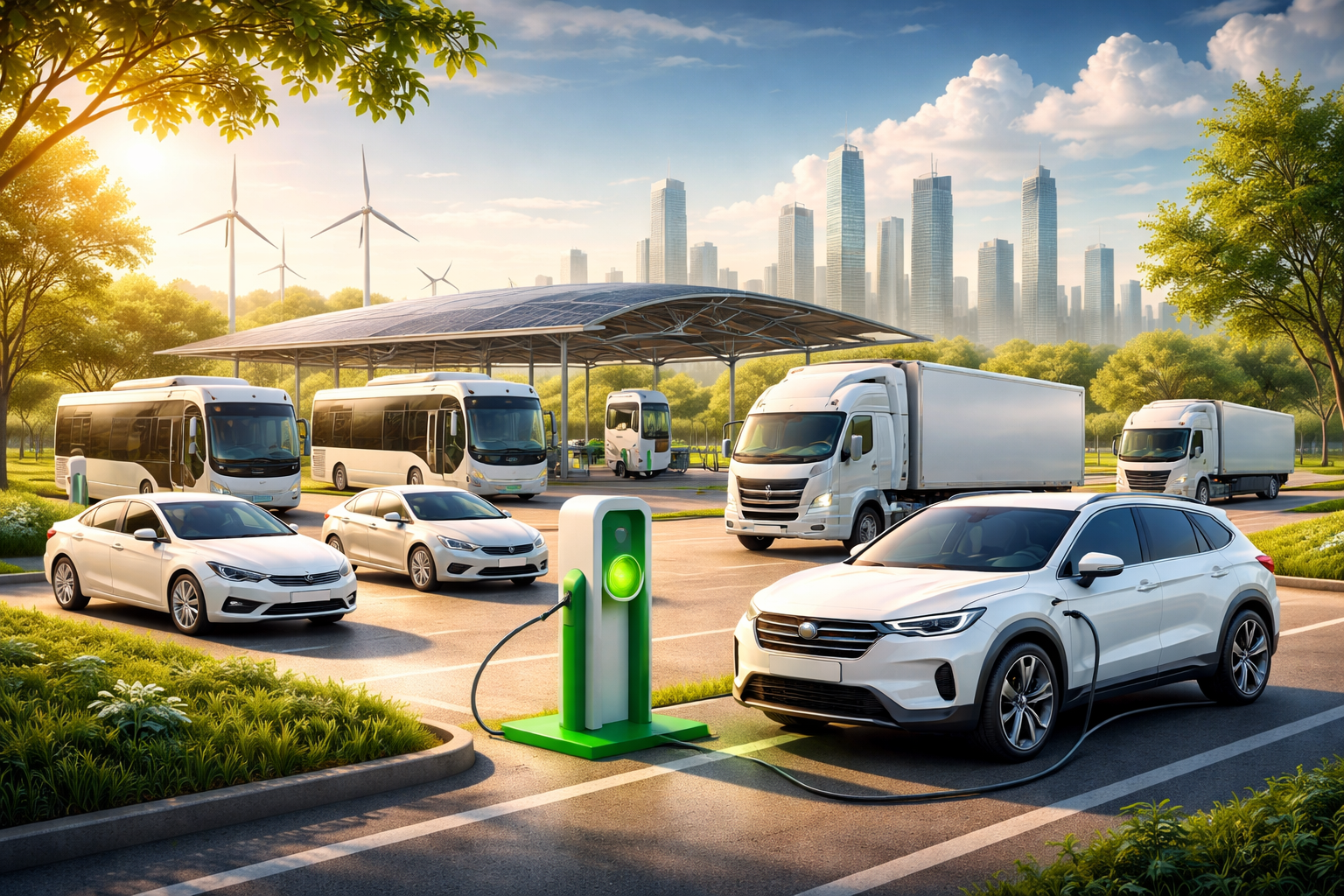
The future of commercial transport is shifting toward electric vehicles as fuel dependency creates challenges like rising costs, shortages, and disrupted supply chains. EVs offer a reliable, cost-effective, and environmentally friendly alternative, though issues such as charging infrastructure and initial investment remain. With advancing technology and growing support, businesses can gradually transition by starting small, planning efficiently, and staying informed. This change not only improves transport systems but also creates new opportunities while ensuring a more stable and sustainable future for industries and everyday life.
Share
Why Are Electric Vehicles Becoming the Future of Commercial Transport in a World Facing Fuel Shortages?
Introduction: A Shift that’s Already Begun
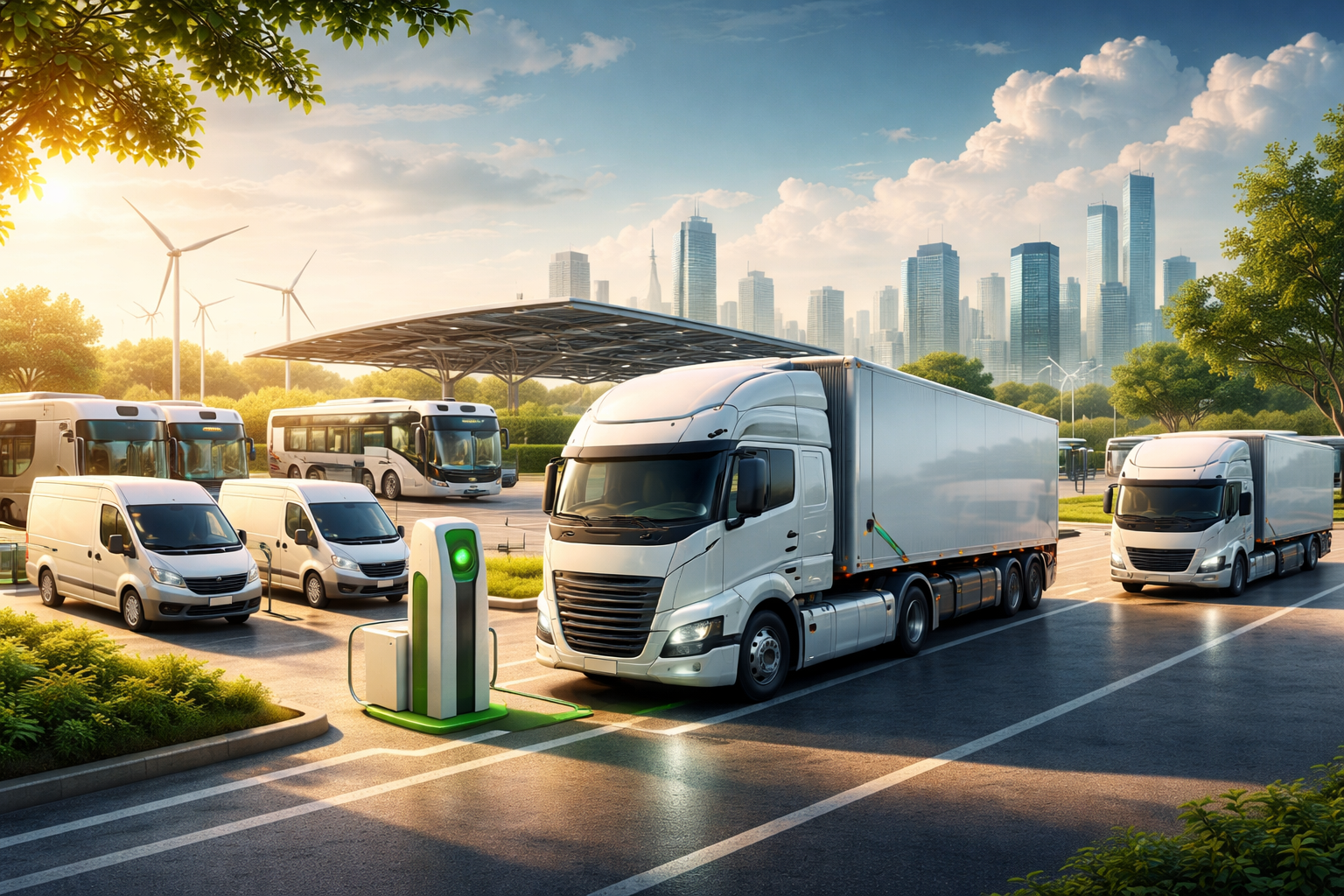
The world of commercial transport is standing at a turning point. For decades, businesses have relied heavily on fuel-powered vehicles—diesel trucks, petrol vans, and heavy machinery that kept economies moving. But today, that reliance is being challenged. Rising fuel prices, supply uncertainties, environmental concerns, and rapid technological advancements are all pushing industries toward a new solution: electric vehicles (EVs).
This is no longer just a concept for the future. It is happening now.
From delivery vans quietly moving through urban streets to electric buses carrying passengers across cities, the transition has begun. But alongside this change comes a set of real challenges—especially when fuel becomes scarce or unreliable. Transport systems that once seemed stable suddenly face disruption, delays, and rising costs.
In this article, we explore the future of electric vehicles in commercial transport, the current difficulties faced in fuel-dependent systems, and how businesses and individuals can prepare for what lies ahead.
The Current Reality: Life without Reliable Fuel
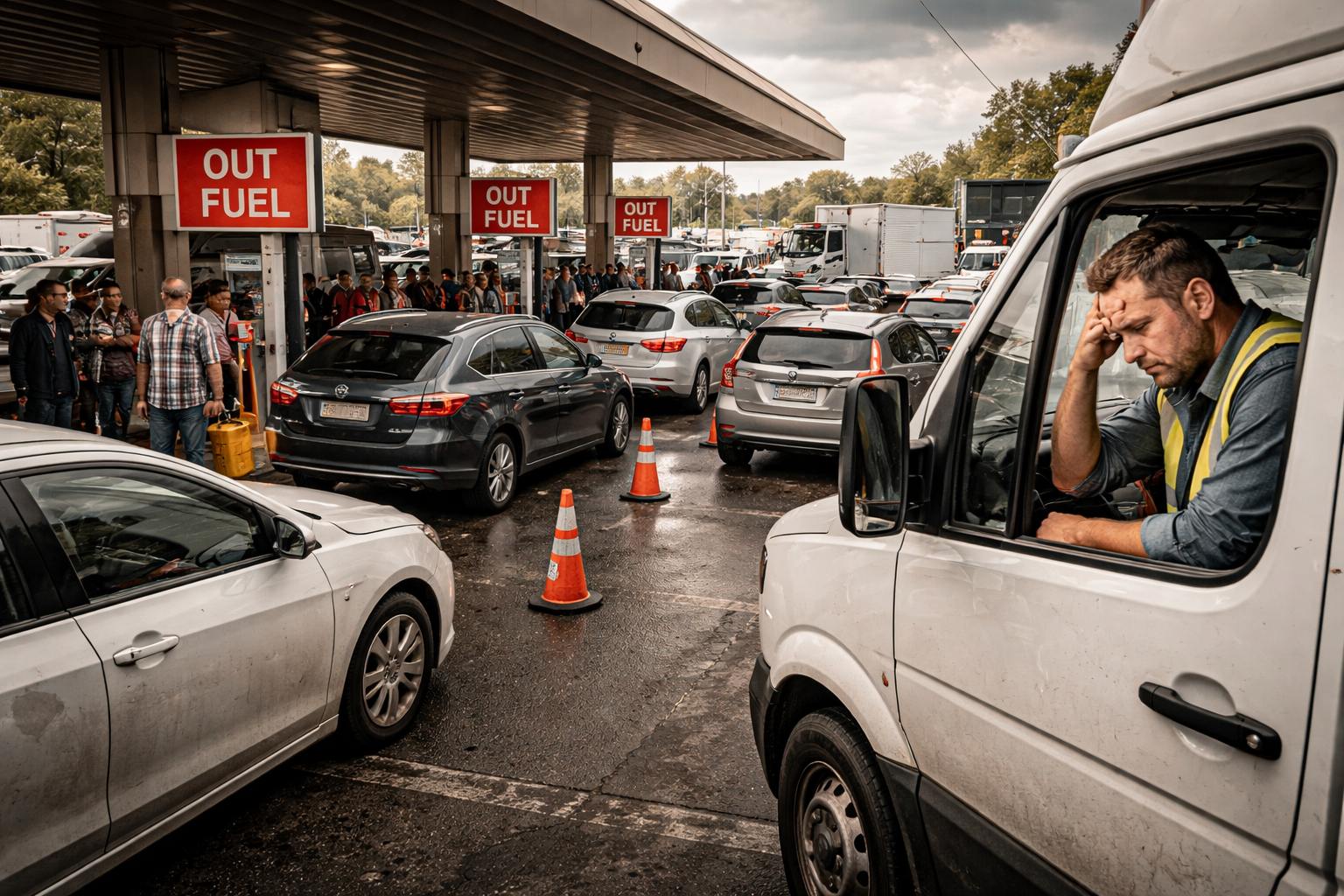
Imagine a day when fuel is not easily available.
This is not a distant scenario. Many regions have already experienced fuel shortages, long queues at stations, and sudden price spikes. When fuel becomes limited, commercial transport is one of the first sectors to feel the impact.
1. Disrupted Supply Chains
Transport is the backbone of supply chains. When fuel is unavailable or expensive:
• Delivery trucks cannot operate efficiently
• Goods are delayed or remain stuck in warehouses
• Retail shelves begin to empty
A single disruption can create a ripple effect across industries—from agriculture to retail.
2. Increased Operational Costs
Fuel price fluctuations directly affect transport businesses. When prices rise:
• Logistics companies increase delivery charges
• Small businesses struggle to maintain profits
• Consumers ultimately pay more for goods
This unpredictability makes long-term planning difficult.
3. Reduced Mobility and Productivity
Commercial vehicles are essential for:
• Public transportation
• Goods delivery
• Construction and infrastructure work
Without fuel:
• Workers cannot reach job sites
• Public transport becomes unreliable
• Businesses lose valuable time and productivity
4. Dependency Risks
Fuel dependency creates vulnerability. When a country relies heavily on imports:
• Global events can disrupt supply
• Currency fluctuations increase costs
• Economic stability becomes fragile
This is where electric vehicles begin to offer a compelling alternative.
Why Electric Vehicles Are the Future
Electric vehicles are not just about reducing emissions. They represent a shift toward independence, efficiency, and sustainability.
1. Energy Independence
Unlike fuel, electricity can be generated locally through:
• Solar power
• Wind energy
• Hydropower
This reduces dependency on imported fuel and strengthens energy security.
2. Lower Operating Costs
EVs generally have:
• Fewer moving parts
• Lower maintenance requirements
• Cheaper “fuel” (electricity vs petrol/diesel)
For commercial fleets, this means long-term savings.
3. Environmental Benefits
EVs produce zero tailpipe emissions, helping to:
• Reduce air pollution
• Improve public health
• Combat climate change
Cleaner transport is especially important in densely populated cities.
4. Quiet and Efficient Operations
Electric vehicles operate quietly and smoothly, making them ideal for:
• Urban deliveries
• Night-time logistics
• Public transportation systems
The Rise of Electric Commercial Vehicles
Electric vehicles are no longer limited to small cars. The commercial sector is rapidly evolving.
1. Electric Delivery Vans
E-commerce has driven demand for efficient delivery systems. Electric vans are:
• Cost-effective for short distances
• Perfect for city logistics
• Easier to maintain
2. Electric Buses
Many cities are adopting electric buses to:
• Reduce pollution
• Lower fuel costs
• Provide a smoother passenger experience
3. Electric Trucks
Though still developing, electric trucks are gaining attention for:
• Long-haul transport
• Heavy-duty logistics
• Sustainable freight movement
4. Two- and Three-Wheelers
In many regions, small commercial vehicles like bikes and tuk-tuks are:
• Transitioning quickly to electric
• Offering affordable transport solutions
• Supporting small businesses
Challenges Slowing Down the Transition
Despite the advantages, the shift to electric vehicles is not without obstacles.
1. Charging Infrastructure
One of the biggest challenges is the lack of charging stations.
Businesses worry about:
• Where to charge vehicles
• How long charging takes
• Whether infrastructure can support large fleets
2. Initial Investment Costs
Electric vehicles often require a higher upfront cost compared to fuel vehicles. This can discourage:
• Small business owners
• Independent drivers
• Start-ups with limited capital
3. Battery Limitations
Concerns about battery performance include:
• Limited driving range
• Charging time
• Battery replacement costs
However, technology is improving rapidly.
4. Power Supply Stability
Electric vehicles depend on electricity. In areas with:
• Power cuts
• Unstable grids
This becomes a serious concern.
The Turning Point: Innovation and Adaptation
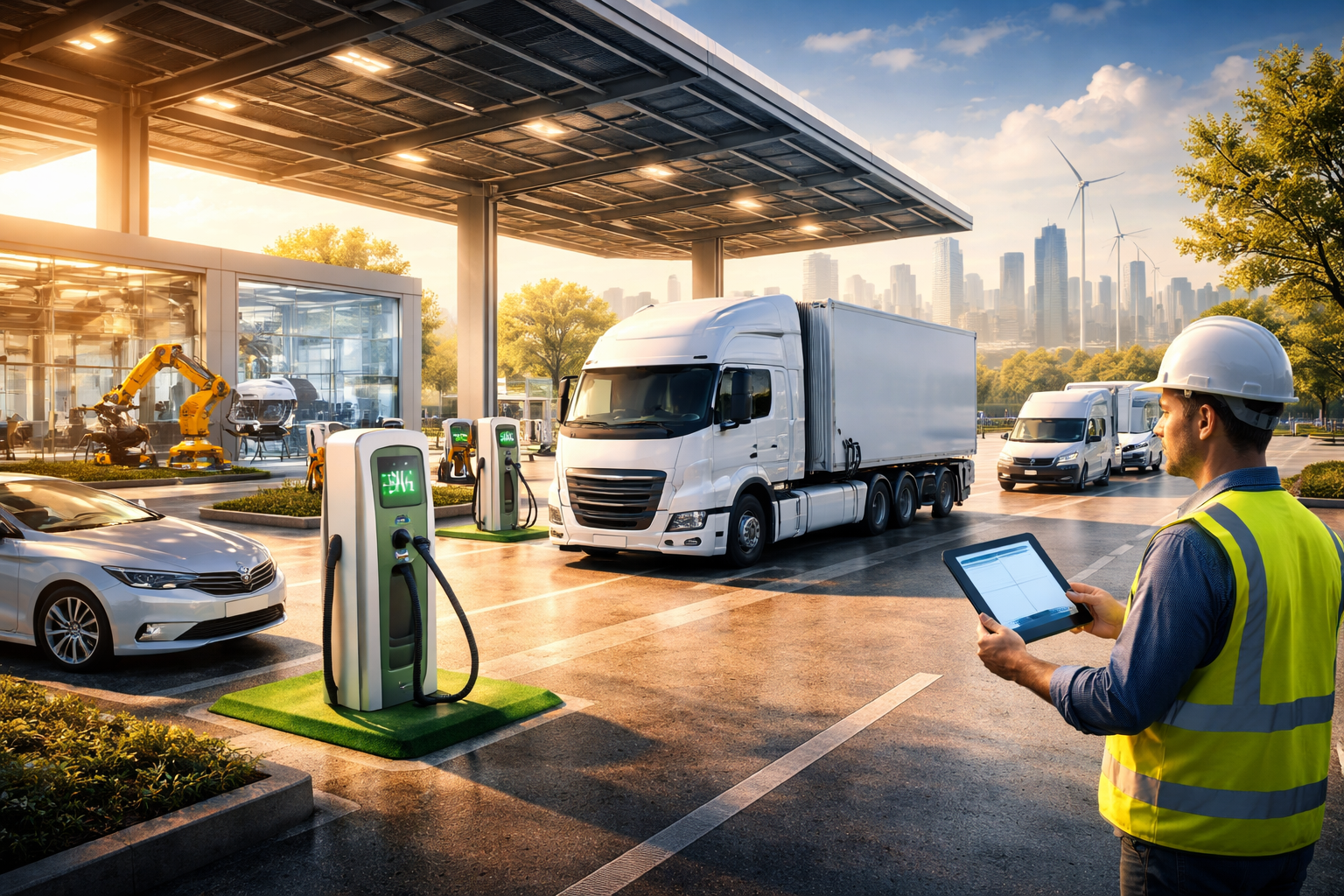
The good news is that solutions are already emerging.
1. Fast-Charging Technology
Charging times are decreasing significantly, making EVs more practical for commercial use.
2. Battery Advancements
New battery technologies are:
• More efficient
• Longer-lasting
• Faster to charge
3. Government Support
Many countries are introducing:
• Tax incentives
• Subsidies
• Infrastructure development programs
4. Private Sector Involvement
Companies are investing in:
• Charging networks
• Fleet electrification
• Renewable energy solutions
A Future without Fuel Dependency
Let’s imagine a future where commercial transport no longer depends on fuel.
What Changes?
• No long queues at fuel stations
• Stable transportation costs
• Cleaner cities with better air quality
• More predictable logistics systems
Electric vehicles can make this future possible.
Practical Advice for Businesses and Individuals
Transitioning to electric vehicles may seem overwhelming, but small steps can make a big difference.
1. Start Small
Businesses can begin by:
• Converting a portion of their fleet
• Testing electric vehicles for short routes
2. Analyse Costs Carefully
Look beyond the purchase price. Consider:
• Fuel savings
• Maintenance costs
• Long-term benefits
3. Invest in Charging Solutions
If possible:
• Install charging stations at your workplace
• Explore solar-powered charging options
4. Stay Informed
Technology is evolving quickly. Keep updated on:
• New models
• Government incentives
• Infrastructure developments
5. Train Drivers and Staff
Ensure your team understands:
• How to operate EVs
• Charging procedures
• Efficient driving practices
6. Plan Routes Strategically
Electric vehicles perform best when:
• Routes are optimized
• Charging points are planned in advance
Opportunities for Entrepreneurs
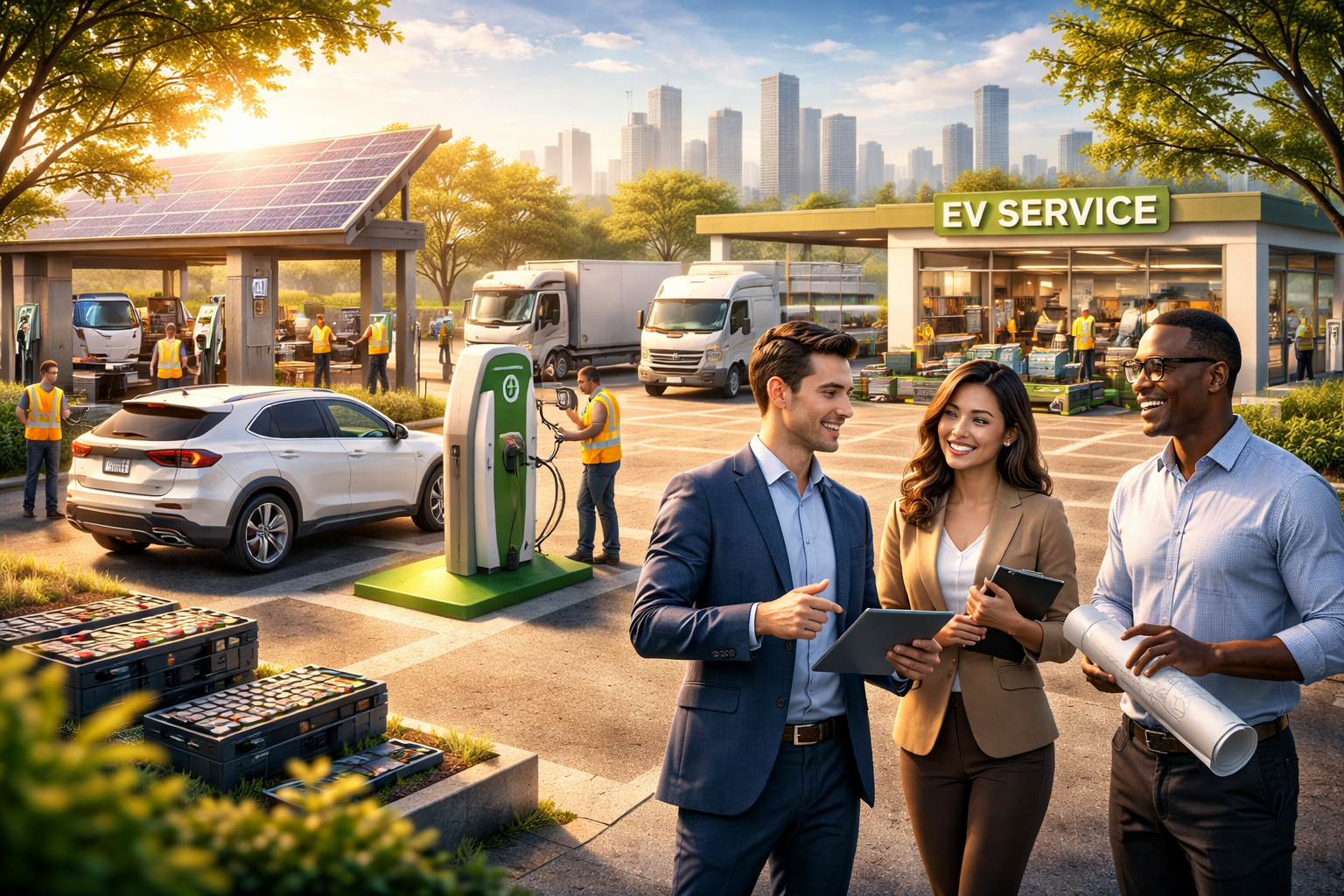
The EV transition is not just a challenge—it’s an opportunity.
New Business Ideas
• Charging station businesses
• EV maintenance services
• Battery recycling
• Electric vehicle leasing
Those who adapt early can gain a strong advantage.
The Human Side of the Transition
Behind every vehicle is a person—a driver, a business owner, a worker trying to make a living.
Fuel shortages don’t just affect machines; they affect lives.
• A delivery driver unable to work loses income
• A small shop owner struggles to restock goods
• Families face higher costs of living
Electric vehicles offer not just a technological solution, but a more stable and reliable future for people.
Looking Ahead: Advice for Society and the Next 10–20 Years
As we move forward into an era shaped by rapid technological transformation, the shift toward electric vehicles in commercial transport is not just a trend—it is a societal change that requires awareness, preparation, and collective effort. The decisions we make today will influence how smoothly this transition unfolds in the next decade or two.
Building Awareness and Acceptance
One of the most important steps for society is to understand that electric mobility is not a luxury or a distant future concept—it is becoming a necessity. People must begin to shift their mind-set from short-term convenience to long-term sustainability.
Consumers can play a powerful role by:
• Supporting businesses that adopt eco-friendly transport
• Choosing services that use electric delivery systems
• Encouraging local communities to invest in sustainable infrastructure
Public awareness will accelerate change faster than policies alone.
Strengthening Infrastructure Together
Governments, private companies, and communities must work hand in hand to build reliable infrastructure. Charging stations should not be limited to major cities—they must reach rural and developing areas as well.
In the next 10 years, we can expect:
• Charging stations to become as common as fuel stations
• Faster charging technologies reducing waiting times significantly
• Integration of renewable energy sources into charging networks
Communities that actively support these developments will benefit the most.
Preparing the Workforce for Change
Another important aspect is preparing people for new types of jobs and skills. As electric vehicles replace traditional fuel-powered systems, certain roles may decline while new opportunities emerge.
In the coming years:
• Mechanics will need to learn EV maintenance
• Technicians will specialize in battery systems and charging infrastructure
• Entrepreneurs will find new opportunities in green transport services
Educational institutions and training centres should adapt early to equip the workforce with these skills.
What Will Happen in 10 Years?
Within the next decade, the commercial transport industry is likely to undergo visible transformation.
We may see:
• A significant increase in electric delivery vehicles in cities
• Public transport systems shifting heavily toward electric buses
• Businesses reducing fuel expenses and improving operational efficiency
• Cleaner urban environments with reduced noise and air pollution
Fuel-powered vehicles may still exist, but their dominance will begin to decline.
What Will Happen in 20 Years?
Looking further ahead, the changes could be even more profound.
In 20 years:
• Electric vehicles could become the standard in commercial transport
• Fuel dependency may reduce drastically or become limited to specific sectors
• Fully automated electric transport systems could emerge
• Cities may be designed around sustainable mobility solutions
This transformation will not only change how goods are transported but also how cities function and how people live.
A Shared Responsibility
The future of transport is not the responsibility of one group alone. It belongs to all of us—governments, businesses, workers, and everyday citizens.
Every small step matters:
• A business choosing an electric delivery van
• A consumer supporting sustainable brands
• A policymaker investing in clean infrastructure
These actions collectively shape the future.
The transition to electric vehicles is not just about replacing fuel—it is about building a more stable, efficient, and environmentally responsible world. The challenges we face today, especially during fuel shortages, remind us why change is necessary.
If society embraces this transformation with awareness and readiness, the next 10 to 20 years will not just bring technological advancement—they will bring a better quality of life for everyone.
Conclusion: Moving Forward with Confidence
The future of commercial transport is electric. While the journey may not be easy, the direction is clear.
Fuel dependency has shown its weaknesses—unpredictability, rising costs, and vulnerability to global disruptions. Electric vehicles, on the other hand, offer stability, sustainability, and long-term benefits.
The transition will take time. There will be challenges. But those who begin adapting today will be better prepared for tomorrow.
Whether you are a business owner, a driver, or simply someone interested in the future, one thing is certain:
The road ahead is changing and electric vehicles are leading the way.
Comments (0)
Leave a comment
No comments yet. Be the first to share your thoughts!
About the Author

Rajendran Keerthana
Tell us a little about yourself.