Books
What Does "Psychology of Money" Teach Us About Wealth?
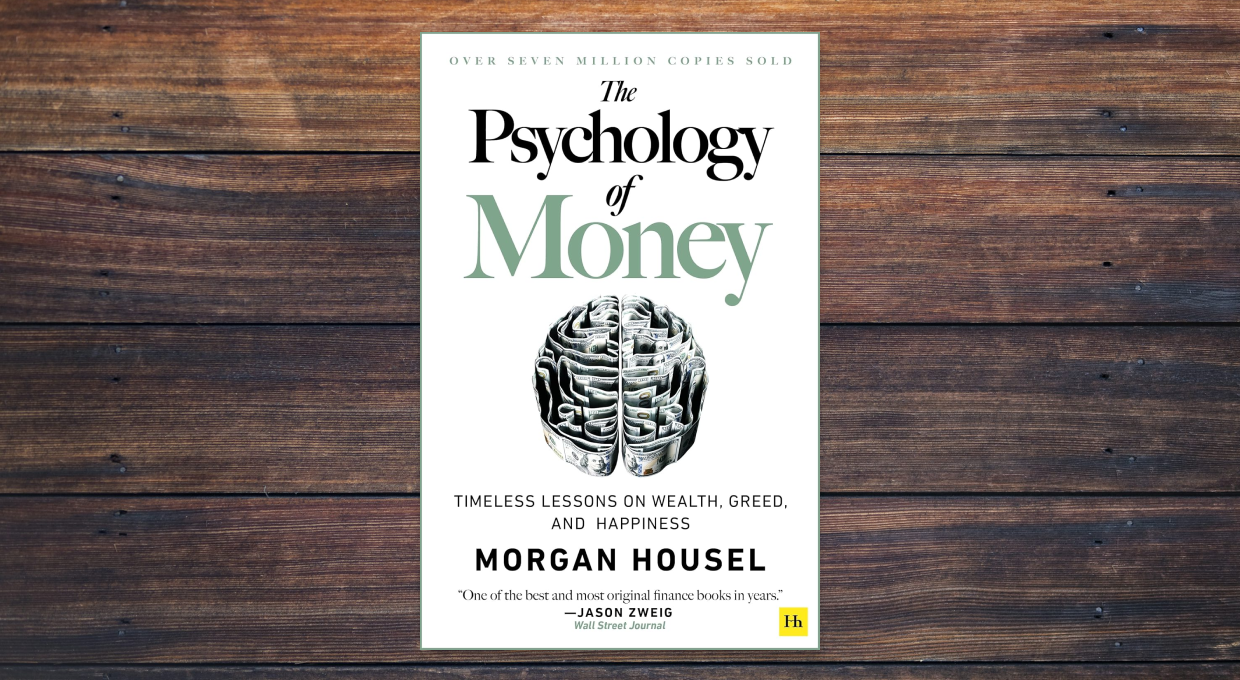
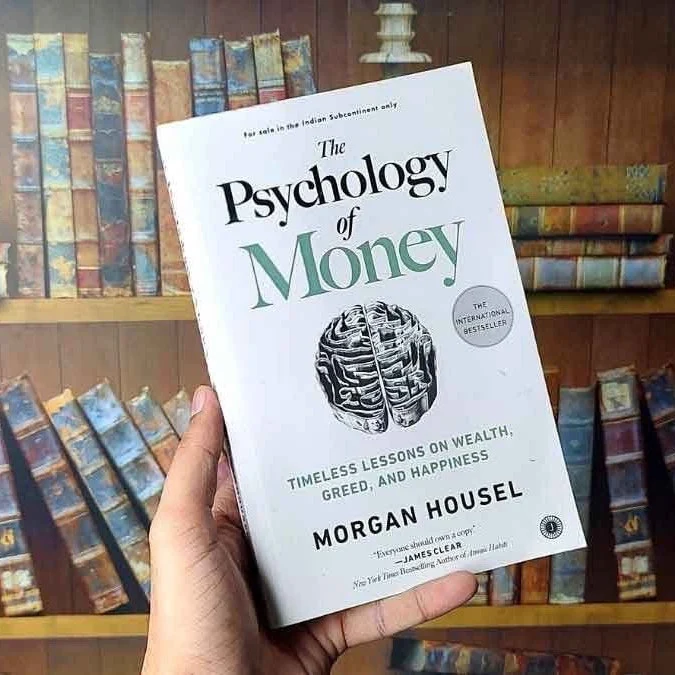
The Psychology of Money by Morgan Housel explains that wealth is shaped more by behaviour than knowledge. It highlights key ideas like patience, saving, emotional control, and the power of compounding. The book teaches that true wealth lies in financial freedom, not luxury. From personal experience, it shifts mind set from chasing money to managing it wisely. By avoiding comparison, controlling spending, and thinking long-term, anyone can attract and sustain wealth through simple, consistent habits.
Share
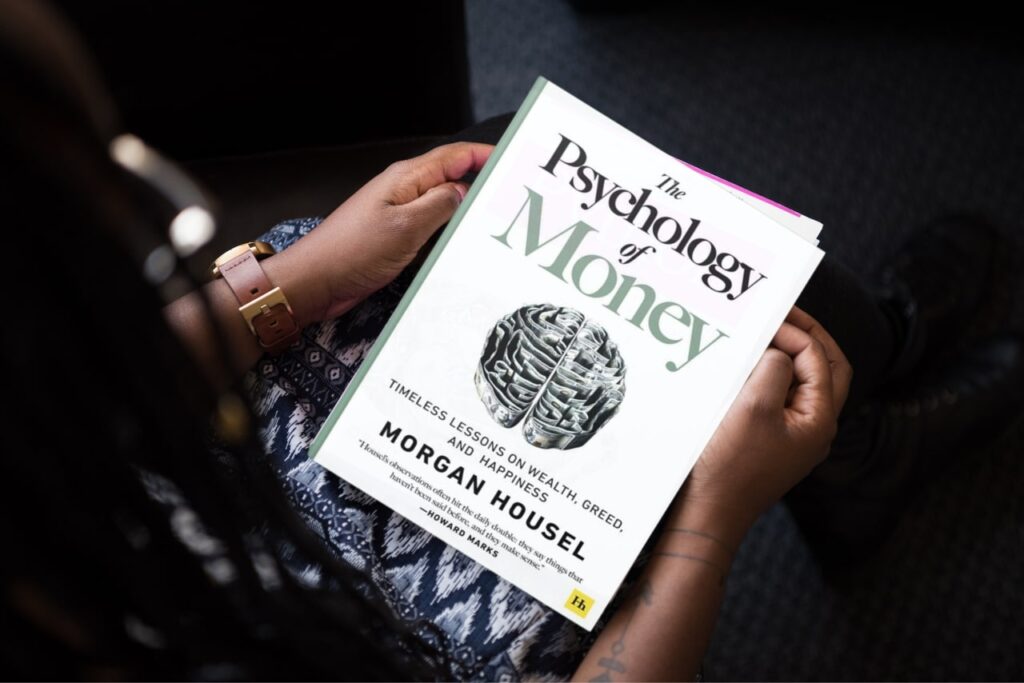
The Psychology of Money: Understanding Wealth beyond Numbers
Introduction
Money is one of the most powerful forces in human life. It shapes our decisions, influences our emotions, and often defines our sense of success and security. Yet, despite its importance, most people misunderstand money—not because they lack intelligence, but because they overlook one crucial truth:
Money is not just about math. It is about behaviour.
This is the core idea behind the book The Psychology of Money by Morgan Housel. Unlike traditional finance books that focus on formulas, investments, and strategies, this book dives deep into how people think, feel, and act around money.
In this article, we will explore:
• The essence and lessons of the book
• Its importance in everyday life
• The hidden behaviours that control wealth
• Practical ways to attract money
• And finally, a personal reflection on how reading this book can transform your mind set
Understanding the Book: What is “The Psychology of Money”?
The Psychology of Money is not a guide to getting rich quickly. Instead, it is a collection of short stories and lessons that explain how people handle money in real life.
Contents of the Book (Key Concepts)
Below are some of the most powerful ideas explored in the book:
1. No One is Crazy
People make financial decisions based on their own experiences, upbringing, and environment.
Insight:
What seems irrational to you might make perfect sense to someone else.
2. Luck & Risk
Success and failure are often influenced by factors beyond our control.
Insight:
Never judge someone’s wealth purely based on effort.
3. Never Enough
The constant desire for “more” can destroy happiness.
Insight:
Knowing when you have enough is a superpower.
4. Confounding Compounding
Small actions repeated over time lead to massive results.
Insight:
Patience is more important than intelligence in building wealth.
5. Getting Wealthy vs Staying Wealthy
Making money and keeping money require different skills.
Insight:
Long-term thinking and discipline matter more than risk-taking.
6. Tails, You Win
A few big wins can outweigh many small losses.
Insight:
You don’t need to be right all the time—just a few times.
7. Freedom is the Greatest Wealth
The real value of money is the freedom it gives you.
Insight:
Time control is more valuable than luxury.
8. Man in the Car Paradox
People admire wealth, but not necessarily the person who owns it.
Insight:
Don’t chase money to impress others—they are not paying attention.
9. Wealth is What You Don’t See
True wealth is hidden—savings, investments, and discipline.
Insight:
Spending money is easy; saving it builds real power.
10. Save Money for Flexibility
Saving is not just for emergencies—it creates options in life.
Why This Book is Important
This book is not just about money—it is about life.
1. It Changes Your Mind-set
Most people think wealth comes from high income. This book teaches that:
Wealth is built by behaviour, not income.
2. It Reduces Financial Stress
When you understand money psychologically, you stop comparing yourself with others and focus on your own journey.
3. It Teaches Long-Term Thinking
In a world of quick results, this book reminds us:
Slow progress is still progress.
4. It Builds Emotional Intelligence around Money
Money decisions are emotional, not logical. This book helps you:
• Control impulsive spending
• Avoid greed and fear
• Stay calm during financial uncertainty
5. It Applies to Everyone
Whether you are rich, middle-class, or just starting out—these lessons apply universally.
How to Attract Money: Practical Wisdom from the Book
Attracting money is not about luck or shortcuts. It is about aligning your habits, mind-set, and actions.
Here are practical ways inspired by the book:
1. Build a Healthy Relationship with Money
Money is a tool—not a goal.
• Don’t fear it
• Don’t worship it
• Understand it
2. Save Before You Spend
Most people save what is left after spending.
Successful people do the opposite.
3. Focus on Consistency, Not Perfection
You don’t need to make perfect decisions.
You just need to avoid big mistakes consistently.
4. Avoid Lifestyle Inflation
As income increases, expenses increase.
Break this cycle.
5. Think Long-Term
Money grows with time.
• Invest patience
• Trust the process
6. Control Your Ego
Many people lose money trying to prove they are successful.
Stay humble. Stay focused.
7. Value Freedom over Luxury
True wealth is:
• Time with family
• Peace of mind
• Ability to choose your life
8. Learn to Say “Enough”
Endless desire leads to endless dissatisfaction.
Contentment attracts clarity—and clarity attracts wealth.
9. Take Smart Risks
Avoid reckless decisions, but don’t fear calculated risks.
10. Invest in Yourself
Your skills, knowledge, and mind set are your greatest assets.
My Personal Experience after Reading the Book
When I first picked up The Psychology of Money, I expected to learn about investing, saving techniques, or financial planning.
But what I experienced was completely different.
It felt like the book was not teaching me about money—it was teaching me about myself.
A Shift in Perspective
Before reading the book, I believed:
• More income equals more wealth
• Expensive things show success
• Fast growth is the best growth
But after reading, I realized:
• Wealth is what you keep, not what you earn
• Simplicity is powerful
• Patience is everything
Understanding My Own Behaviour
I started observing my own financial habits:
• Why do I feel the urge to spend?
• Why do I compare myself with others?
• Why do I worry about money even when I have enough?
The book helped me see that these are emotional patterns—not financial problems.
Learning to Slow Down
One of the biggest lessons I learned was:
“You don’t need to rush to become rich.”
I started focusing on:
• Saving regularly
• Avoiding unnecessary expenses
• Being patient with growth
Redefining Wealth
Earlier, I thought wealth meant:
• Expensive items
• High status
• External validation
Now, I see wealth as:
• Peace of mind
• Financial security
• Freedom to make choices
Letting Go of Comparison
Social media often creates pressure to “look successful.”
This book helped me understand:
People display their spending, not their savings.
That realization changed everything.
Embracing Simplicity
I started appreciating simple living:
• Less stress
• More clarity
• Better financial control
Building Better Habits
Instead of chasing big financial wins, I focused on:
• Small consistent savings
• Mindful spending
• Long-term thinking
Emotional Control
One of the most powerful changes was emotional:
• Less anxiety about money
• More confidence in decisions
• Better control over impulsive spending
Final Thoughts
Money is not just about numbers—it is about how you think.
The Psychology of Money teaches us that:
• Behaviour matters more than knowledge
• Patience beats intelligence
• Simplicity beats complexity
Most importantly, it reminds us:
You don’t need to be extraordinary to build wealth.
You just need to be consistent, patient, and self-aware.
Conclusion
In a world that constantly pushes us to earn more, spend more, and show more, this book offers a refreshing perspective:
True wealth is quiet.
True success is personal.
True freedom comes from understanding yourself—not just money.
If you truly want to attract money into your life, start by changing your mind set.
Because in the end: Money flows not just too hard work – but to wise thinking.
Comments (0)
Leave a comment
No comments yet. Be the first to share your thoughts!
About the Author

Rajendran Keerthana
Tell us a little about yourself.