Understanding Addiction: Brain, Behavior, and Recovery
Is addiction a disease or is it normal? Does it needed to be taken serious? Lets go througha deep dive about addiction and its effects
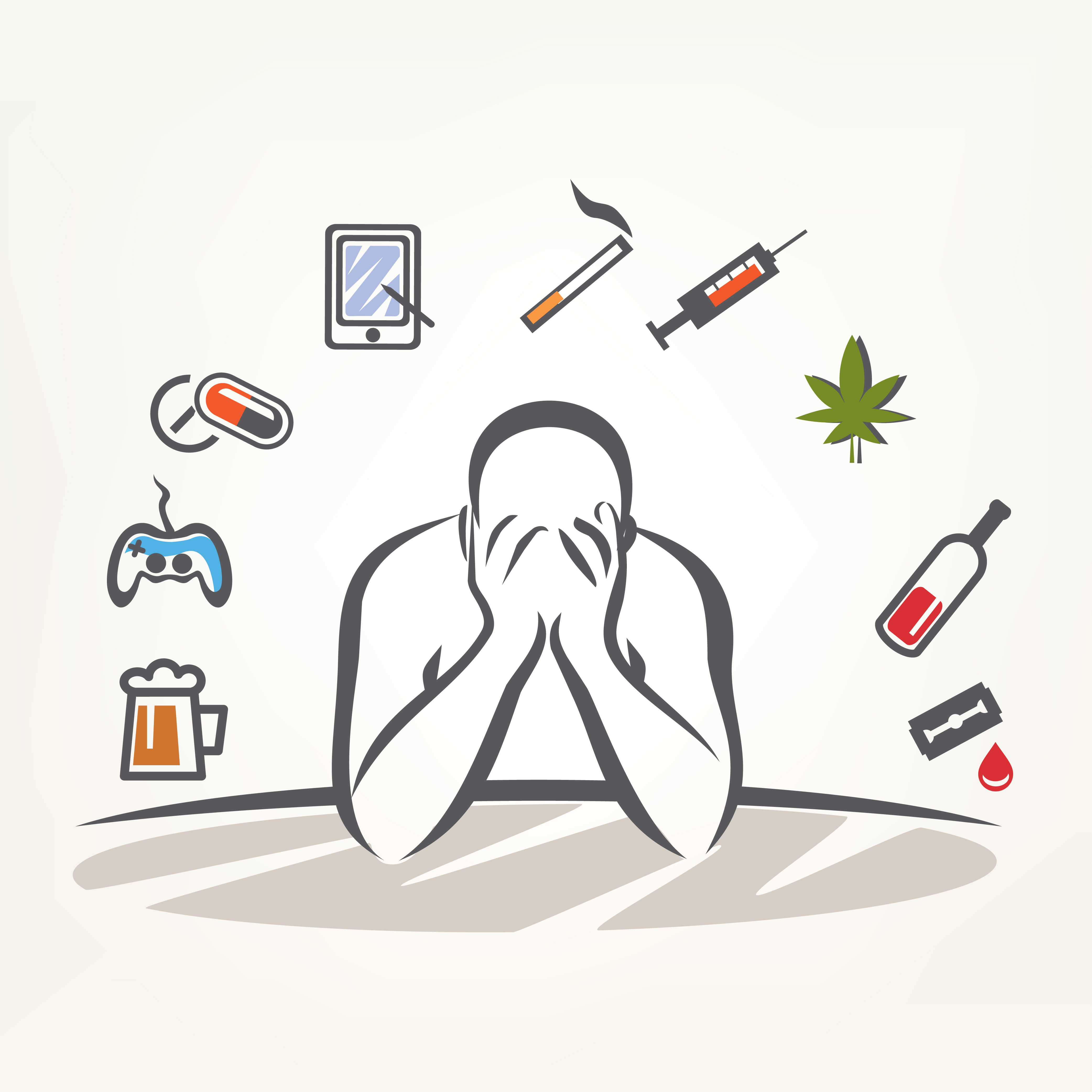
Understanding Addiction: Brain, Behavior, and Recovery
Human beings often struggle to let go of repetitive behaviors. It does not matter whether the behavior is “good” (like exercising) or “bad” (like substance abuse); once something becomes a habit, it can feel difficult to stop. This raises an important question: Is addiction a disease, or is it simply a bad habit? What does modern research say?
What Happens in the Brain?
Addiction is not just about weak willpower. Modern neuroscience shows that it involves specific brain systems.
When a person engages in rewarding activities—such as eating tasty food, social interaction, sex, gambling, or using substances like alcohol or drugs—the brain releases a neurotransmitter called dopamine. Dopamine is often misunderstood as a “pleasure chemical,” but more accurately, it is linked to motivation, learning, and reinforcement. It helps the brain remember, “This felt good. Do it again.”
A key brain pathway involved in this process is the reward system connecting the ventral tegmental area (VTA) and the nucleus accumbens. Repeated stimulation of this pathway strengthens neural connections associated with that behavior.
Over time, especially with substances like nicotine, alcohol, or opioids, the brain adapts. It may reduce natural dopamine sensitivity, meaning the person needs more of the substance or behavior to feel the same effect. This is called tolerance. When the activity stops, the person may feel low mood, irritability, anxiety, or strong cravings. This is known as withdrawal.
This cycle—reward, repetition, tolerance, craving—is what turns a behavior into addiction.
When Does It Become Dangerous?
Addiction becomes dangerous when:
The person loses control over the behavior
The behavior continues despite harmful consequences
It interferes with work, health, or relationships
The person feels unable to stop even if they want to
The World Health Organization and the American Psychiatric Association classify substance use disorders as medical conditions. This means addiction is widely recognized as a brain disorder, not just a moral failure.
That said, not every repetitive behavior is a clinical addiction. There is a difference between a strong habit and a disorder that causes serious impairment.
Causes of Addiction
Addiction is complex. It is not caused by dopamine alone. Research shows multiple contributing factors:
1. Biological Factors
Genetics can increase vulnerability.
Brain chemistry differences can make some individuals more sensitive to reward.
Early exposure to substances during teenage years increases risk because the brain is still developing.
2. Psychological Factors
Stress
Trauma
Anxiety or depression
Low self-esteem
Emotional loneliness
People sometimes use substances or behaviors to escape emotional pain. Over time, the coping mechanism becomes the problem itself.
3. Social and Environmental Factors
Peer pressure
Easy access to substances
Cultural normalization (for example, alcohol in social events)
Social media and digital overstimulation
Addiction rarely has a single cause. It usually develops from a combination of vulnerability and repeated exposure.
Is Addiction a Disease?
Modern research generally defines addiction as a chronic brain disorder because it changes brain structure and function. However, it is also influenced by personal choices and environment.
Unlike diseases such as cancer or infections, addiction involves behavior. That is why treatment includes both medical and psychological support.
It is important to clarify one thing: stopping an addictive behavior does not automatically cause life-threatening outcomes. Withdrawal from some substances (like alcohol or benzodiazepines) can be medically serious, but most behavioral addictions cause psychological distress rather than physical danger.
Addiction does not mean there is “no exit.” Recovery is possible. Many people successfully overcome addiction with support, therapy, and consistent effort.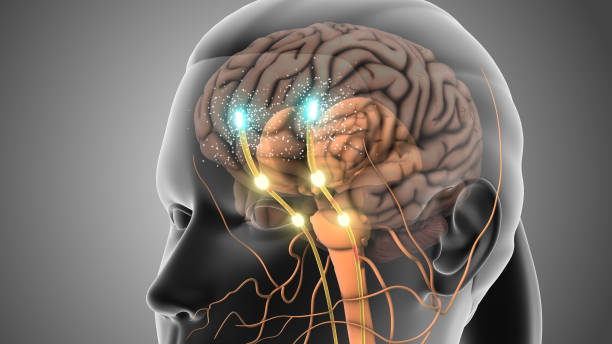
Types of Addiction
Addiction is generally divided into two main categories:
1. Substance-Related Addiction
Tobacco (nicotine)
Alcohol
Opioids
Cannabis
Stimulants
These directly alter brain chemistry.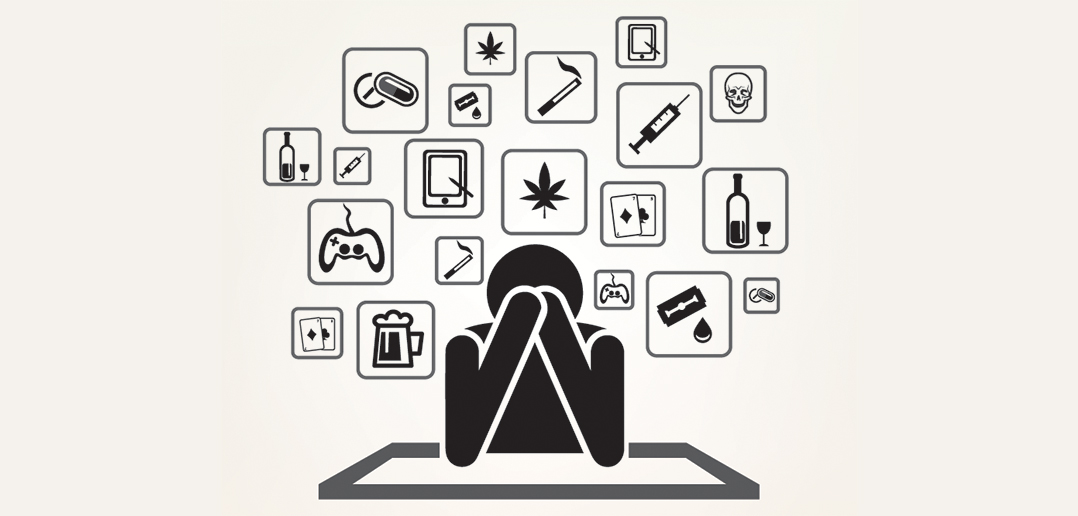
2. Behavioral Addiction
Gambling
Internet and social media
Video gaming
Pornography
Compulsive eating
Work addiction
The American Psychiatric Association officially recognizes gambling disorder as a behavioral addiction. Research on internet and gaming addiction is growing, and World Health Organization has recognized “gaming disorder” in its diagnostic system.
Behavioral addictions may not involve substances, but they still activate the same reward pathways in the brain.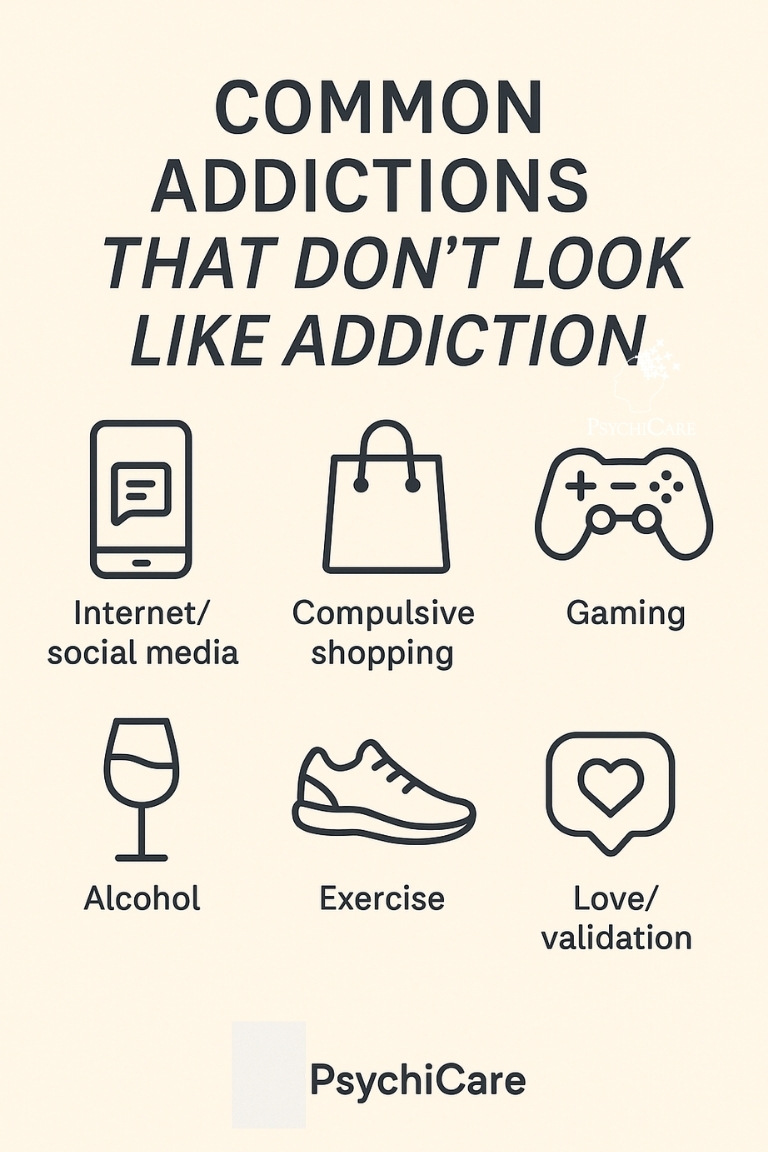
My Personal Experience
During the COVID period, I experienced behavioral addiction, mainly related to social media. When short-form videos became popular, I started watching reels for long hours—sometimes 6 to 12 hours per day.
Half my day was spent on my phone. The rest was for basic activities like eating and sleeping. I was not being productive. Over time, this lifestyle contributed to weight gain and poor physical health.
When I later tried to reduce social media use, I felt anxious. Even small tasks like typing on a keyboard felt stressful. Overthinking increased. I eventually deleted most social media apps to regain control.
This experience helped me understand something important: addiction is not always about drugs. It can quietly enter daily routines.
Remedies and Recovery
There is no instant cure for addiction, but recovery is possible through structured steps.
1. Awareness
Recognizing the problem is the first step. Many people remain in denial.
2. Gradual Reduction
Sudden quitting works for some, but gradual reduction works better for others.
3. Replace, Don’t Just Remove
If you remove a dopamine source without replacing it, the brain feels deprived. Instead:
Exercise
Reading
Writing
Skill learning
Volunteering
These provide healthier reward patterns.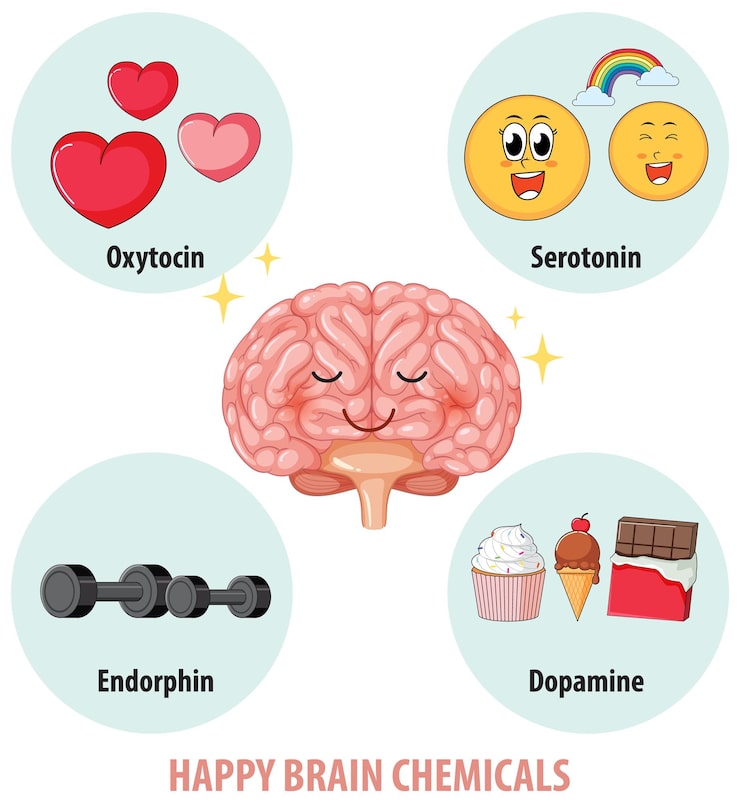
4. Digital Control Tools
Apps that track screen time or block websites can help reduce exposure. However, technology is only a support tool. Self-discipline and environment change are more important.
5. Professional Help
Therapy (especially cognitive behavioral therapy) is highly effective. Severe substance addiction may require medical supervision.
6. Physical Health
Regular sleep
Balanced diet
Physical exercise
Mindfulness or breathing exercises
These stabilize brain chemistry naturally.
Is Everything Addiction?
In modern society, we sometimes label everything as addiction. For example, going to the gym regularly is not addiction unless it becomes compulsive and harmful.
Healthy discipline feels structured and controlled. Addiction feels uncontrolled and distressing.
The key difference is:
Discipline improves life.
Addiction damages life.
Final Thoughts
Addiction is not a simple issue of “weakness.” It is a complex interaction between brain chemistry, psychology, and environment. It can begin quietly and grow slowly.
But it is not a one-way entrance with no exit.
Recovery may not be immediate. Progress may be slow. But small improvements accumulate. Over time, the brain can rewire itself—a process known as neuroplasticity.
One day, when you look back and realize you are no longer controlled by that behavior, you will understand that change was possible all along.
Addiction is powerful.
But awareness, effort, and support are more powerful.
Comments (0)
Leave a comment
No comments yet. Be the first to share your thoughts!
About the Author

Tell us a little about yourself.