The "One Big Thing" Method: How to Have a Productive Day Without Feeling Overwhelmed
Tired of juggling various productivity techniques and battling massive to-do lists? Discover the "One Big Thing" method, a pragmatic, effective method to have a productive day without feeling overwhelmed. Figure out how to get more done with less effort and stress, and go through your days with the satisfaction of having good work done.
The "One Big Thing" Method: How to Have a Productive Day Without Feeling Overwhelmed
The worst way to start a day you want to be productive is staring at a massive to-do list with a dozen tasks on it. You feel defeated straightaway, and you take that defeated attitude into the rest of the day.
You know what you have to do, but don’t know where to start, even if they’re numbered.
You’ve heard that you should “eat the frog” first thing in the morning, so you try to do the hardest task first.
You do it for a while, but soon realize that hours have flashed by. You pick one of the other big tasks and do it for a few hours, before jumping to another.
Now you are completely worn out. You look at the clock; it tells you’ve worked for five hours. You tell yourself you deserve a break, and grab your phone to do some quick scrolling, or get onto your bed for a quick nap.
What was meant to be a half-hour break turns into a monstrous 2-plus-hour day-eater. By the time you have lunch and return to your desk, another hour has elapsed.
Even though you feel refreshed now, a glance at the list takes all that energy away. According to it, you’ve barely done anything today.
And although it’s late in the evening, you try to get back to the same Herculean tasks, but end up procrastinating for even more hours. In the end, you don't do nothing the entire evening.
Why Massive To-Do Lists Fail Us
Mindset plays a big role in productivity. We have to prime our minds before we can do meaningful work.
And when the first thing you do before starting is stare at a long to-do list with tasks that all look equally important, you’re confused as to where to start, how to divide time for each task, and how to give your best for all of them.
The reality, however, is that it’s impossible to give your best work to every single task in the same day. We are not machines. We have energy levels, and they decrease throughout the day.
And these energy levels are not only decided by factors like nutrition and rest, but also by the time of the day. We have hormones that are secreted at different times of the day, and they also play a major role in deciding how alert we can be.
For example, blue light from the sun suppresses the hormone called melatonin, which is what makes you sleepy. And this is why you feel the freshest in the morning and sleepy at night.
Another hormone called cortisol, referred to as the "stress hormone" in pop culture, is a hormone that sharpens focus and mobilizes energy to make us alert. While this is typically thought of as being released in emotional or stressful moments, it's mainly secreted first thing in the morning to help us wake up. It spikes your blood sugar, heart rate, and sharpens your attention. On a regular day, it will be released according to our natural circadian rhythm, meaning it's highest in the morning and lowest at night. But on days when you experience emotional stress, it can spike irregularly and fall below baseline levels, making you feel fatigued earlier in the day.
Ultimately, massive to-do lists fail us because they don’t consider that we are human and that we can't realistically give our all to every single task in a day.
How the "One Big Thing" Method Works
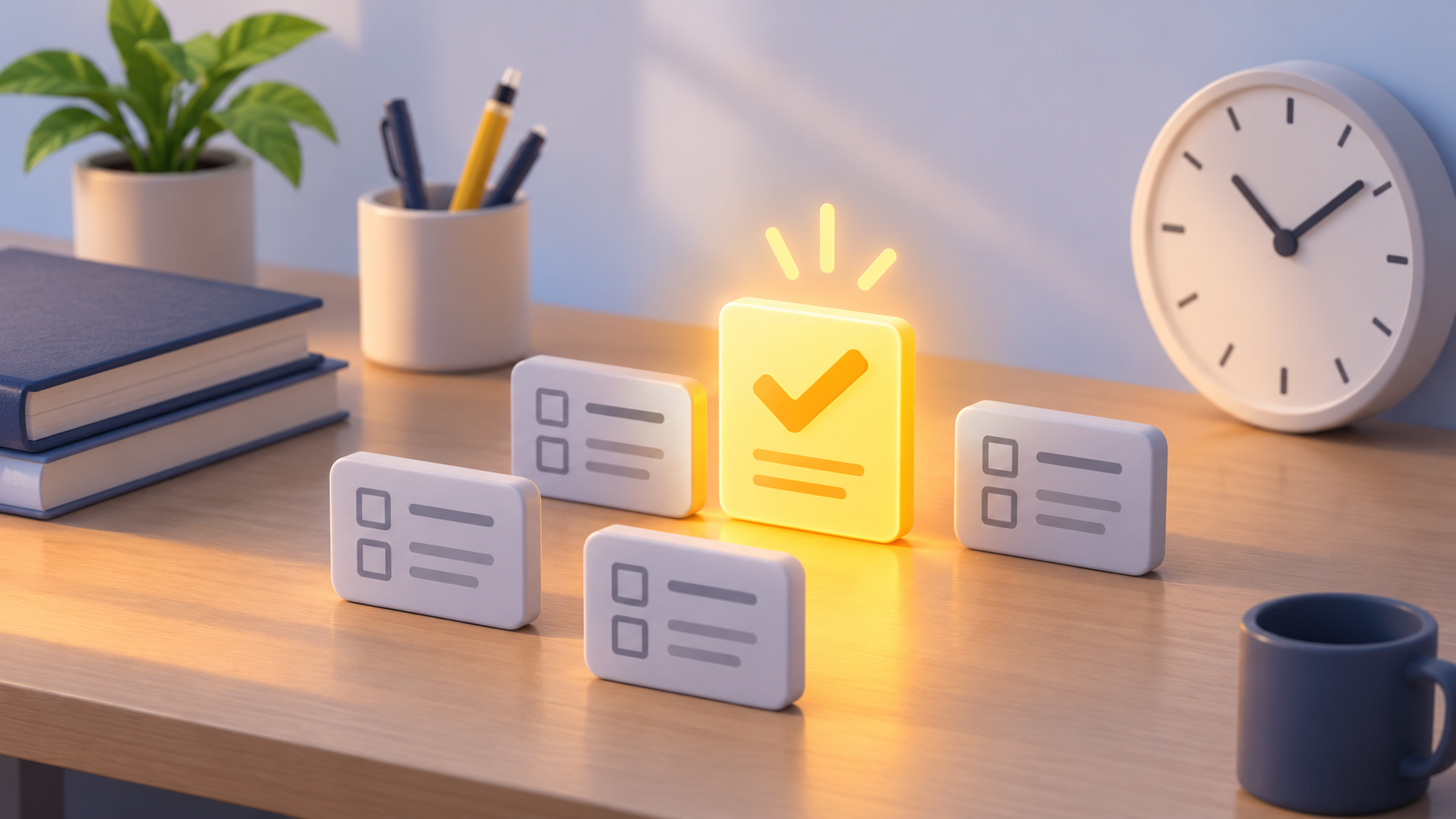
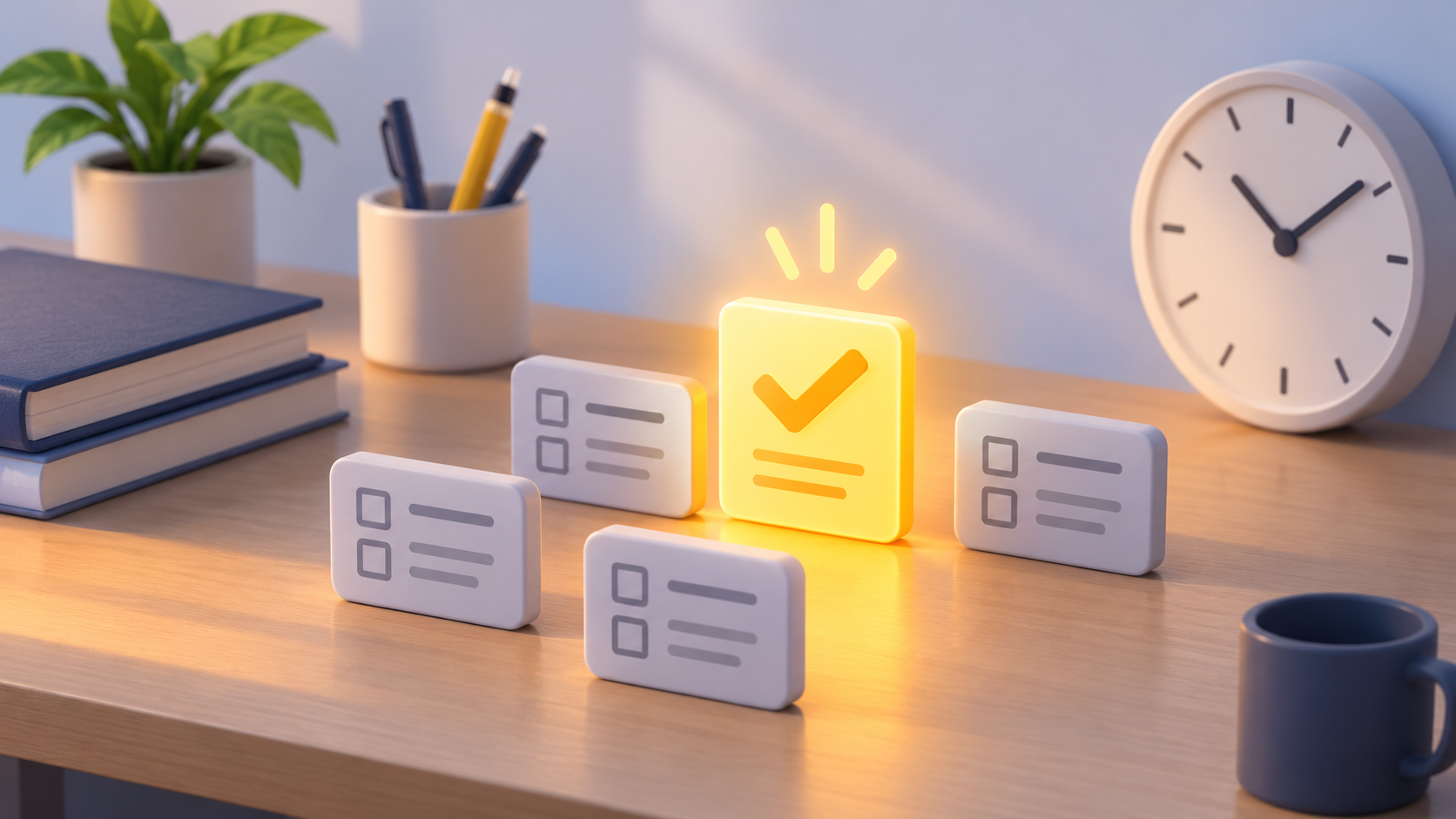
The “One Big Thing" method is about picking one priority task for the day that will make you feel accomplished, and treating everything else as a bonus.
Instead of stacking heavy tasks on top of one another and trying to tackle them throughout the day, you choose one big task and tackle it first thing in the morning, take as long as it takes—then refresh and get to lighter tasks that require less attention and energy.
To decide when you have to do the big tasks and when the lighter ones, track how you feel throughout the day. That doesn’t mean you should get a notebook out and write down how you feel at every hour of the day. Just subconsciously note how eager you feel to work—on anything—at different times of the day, like the evening, for example.
Personally, I feel more eager at night than in the evening. The evening feels like a time to do something fun outside; maybe because that’s how I lived for most of my life.
Past seven in the night, however, I find myself getting back into the groove—but not for heavy studying or writing. Something light, like editing a section of an article, writing the section of a lab report that doesn’t require my focus, or filling in some notes I missed during a lecture.
Building Momentum with Easy Wins
Even if you’re following the “one big thing” method, it doesn’t mean you should get into it straightaway—like walking head-on into a moving truck.
Build momentum with easy wins. For example, if you want to complete your math homework/assignment, try a few simple examples that you’ve already tried before getting into the tutorial questions.
If you want to study a subject, instead of trying to read the whole text at once, ask AI for an overview in advance. AI is a powerful tool if utilized right for studying, writing, and many other things.
You can easily ask it to break down complex concepts into small, bite-sized lessons based on the source you upload, making it much easier to study while being trustworthy at the same time.
Doing your big task part by part helps you build momentum, feel satisfied, and more energetic throughout the effort.
The Takeaway
Massive to-do lists and hyper-productivity, tackling herculean tasks throughout the day, are more of a dream than reality. Even if it is possible for a day or two, or even for a week, you are bound to burn out soon after and lose progress.
The more pragmatic and effective approach to productivity is following the one big thing method. Prioritize one big task for the day and treat everything else as a bonus. Break down the one big thing into smaller pieces to build momentum with easy wins and get into a flow state.
Comments (0)
Leave a comment
No comments yet. Be the first to share your thoughts!
About the Author
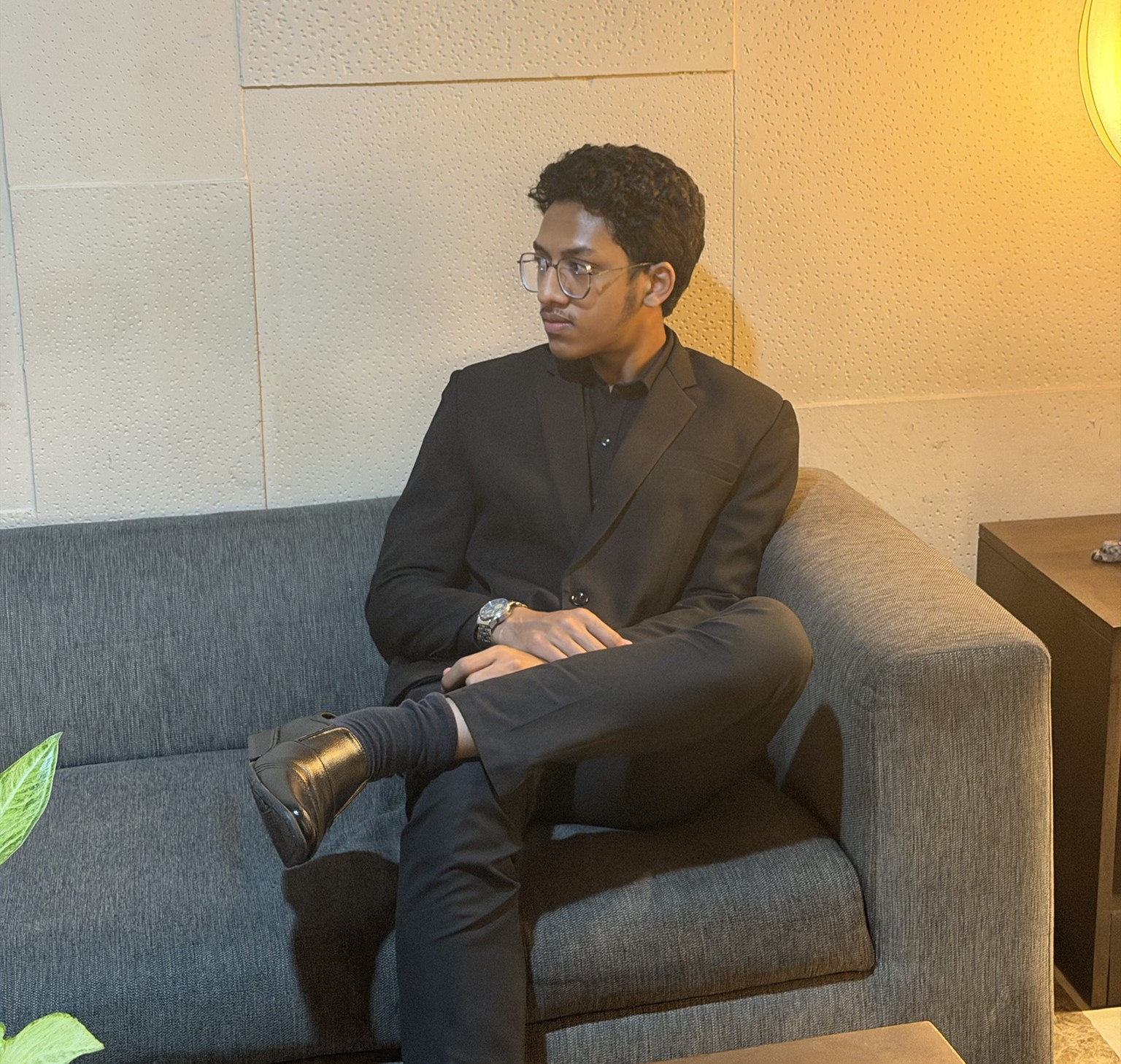
Physical Science Undergraduate, Writer, and Author. Passionate day-dreamer. When I'm not dreaming worlds and fiery stories, I write articles on self-help, writing, books, and travel. To read more of my work, find me on Medium: https://medium.com/@shammasrishard