Books
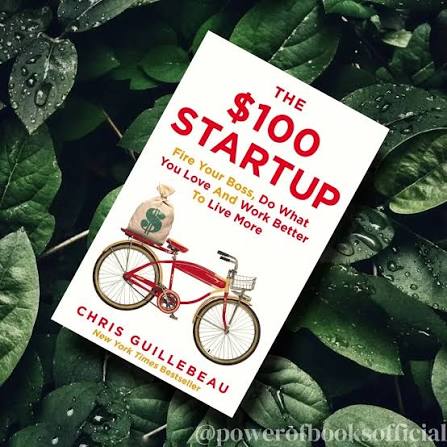
The $100 Startup by Chris Guillebeau: Start Small, Earn Big
The $100 Startup by Chris Guillebeau shows that you do not need a huge investment to build a successful business. With a useful skill, a simple idea, and a clear understanding of customers, anyone can start small and grow gradually. This article explores practical lessons from the book, including how to turn your skills into income, keep business costs low, attract customers, and build a profitable business step by step. Discover how a small beginning can become a successful opportunity.
Share
The $100 Startup by Chris Guillebeau: Start Small, Earn Big
Introduction
Before reading The $100 Startup by Chris Guillebeau, I used to think that starting a business required a large amount of money, a shop, employees, and many other resources. I believed that I needed to have everything ready before I could even think about starting. However, this book changed the way I look at entrepreneurship. It showed me that a business can begin with a small amount of money when I use my skills, creativity, and available resources wisely. I learned that I do not need a perfect business plan or a huge investment to take my first step. What matters most is having a useful idea, understanding what people need, and having the courage to start.
Start With What I Already Have
One of the most important lessons I learned from The $100 Startup is that I should begin with what I already have instead of waiting until I have more money or resources. I realised that I already have skills, interests, knowledge, and experiences that can potentially become sources of income.
For example, if I am good at making jewellery, I can sell jewellery online. If I have writing skills, I can offer writing services. If I know how to design, I can create social media posts, invitations, or other designs for customers. This made me understand that I should not underestimate the skills I already have.
The book encouraged me to ask myself a simple question: “What can I do that other people would be willing to pay for?”
I also learned that I do not necessarily need to create something completely new. I can take an existing product or service and make it more useful, affordable, attractive, or convenient for a particular group of customers. A business becomes valuable when it solves a problem or gives customers something they want.
Another thing I understood is that starting small reduces my risk. If I invest a large amount of money into an idea before knowing whether people will actually buy it, I could lose a lot. Starting with a small investment allows me to test my idea and learn without putting too much money at risk.
Turn My Skills Into Something People Will Pay For
I learned that simply having a skill is not enough. I need to turn that skill into something that customers can understand and see value in.
For example, instead of saying that I can write, I can offer blog-writing services to businesses. Instead of simply saying that I enjoy photography, I can offer affordable photography packages for birthdays or small events. The important thing is to connect my skill with a real customer need.
This made me realise that I should focus less on what I want to sell and more on what people want to buy. Whenever I think about a business idea, I should ask myself three questions: What am I offering? Who needs it? Why should they choose me?
For example, I could sell affordable fashion jewellery to young customers who want stylish accessories without spending a lot of money. I could also create simple study materials for students who want difficult subjects explained in an easier way.
I also learned that listening to customers is extremely important. Their questions, complaints, reviews, and suggestions can help me understand what I need to improve. I do not have to make my business perfect from the beginning. I can start with a simple idea, see how customers respond, and improve it over time.
This changed my understanding of starting a business. Instead of spending months trying to create something perfect, I can create a simple version, introduce it to customers, learn from their reactions, and develop it gradually.
Start Small and Keep My Costs Low
Another important lesson I learned is the importance of controlling my expenses. When I start a business, I do not need to spend money on things that are not necessary.
I realised that I do not need an office, an expensive shop, or a large amount of stock to begin. Social media and online platforms allow me to promote and sell products without having a physical store.
For example, if I start selling accessories, I can begin with a small collection instead of purchasing hundreds of products. I can take photographs using my phone, promote them through social media, and observe which products customers like before purchasing more stock.
I can also apply the same idea to services. If I offer writing, tutoring, graphic design, or social media services, my main investment may be my time, internet connection, and existing skills rather than a large amount of money.
The book also helped me understand the difference between sales and profit. Just because I make sales does not mean that I am making a good profit. If I spend too much money on unnecessary things, very little may remain after my expenses.
Therefore, I learned that I need to carefully consider every expense. I should spend money mainly on things that directly help me create, promote, or sell my products or services.
I also feel that starting small makes failure easier to handle. If my first idea does not work, I can change my approach without losing a huge amount of money. Instead of seeing failure as a disaster, I can see it as an opportunity to learn.
Focus on Customers and Grow Step by Step
Through this book, I understood that building a successful business is not only about making sales. It is also about building trust with customers.
If I have a small business, I can compete with larger businesses by providing good customer service. Being friendly, responding to messages properly, delivering what I promised, and treating customers respectfully can make people trust my business. Satisfied customers may also recommend my products or services to others.
I also learned that promotion is important. Social media can help me show my products, share customer reviews, explain the benefits of my products, and communicate with potential customers.
However, I realised that simply posting advertisements may not always be enough. I should also create useful and interesting content that encourages people to engage with my business.
Once I begin making sales, I do not need to expand too quickly. I can use part of my profit to improve my products, packaging, advertising, or services. I can grow according to what my customers actually want.
This taught me that business growth does not have to happen overnight. I can start with something small, understand my customers, manage my money carefully, and gradually build something bigger.
My Personal Experience With The $100 Startup
Reading The $100 Startup changed my personal attitude towards starting a business. Before reading the book, I believed that I needed a large amount of money and many resources before I could start. Now, I understand that I can begin with what I already have and develop my business step by step.
This lesson was especially meaningful to me because I am interested in starting my own small jewellery business. The book made me realise that I do not need to begin with a huge collection or spend a large amount of money. I can start with a few carefully selected products, promote them through social media, and learn which products my customers prefer.
I also realised that running a business is not simply about making money. It is about understanding people and giving them something valuable. This encouraged me to think more carefully about what my customers want, how I present my products, how I communicate with them, and how I can make their shopping experience better.
Most importantly, the book gave me the confidence to stop waiting for the “perfect” time. I learned that I can begin with the resources I already have, make mistakes, learn from them, and improve as I continue.
For me, the biggest lesson from the book is that I do not need to have everything before I begin. I need to begin with what I have and build from there.
Conclusion
After reading The $100 Startup, I no longer believe that starting a business always requires a large investment. The book helped me understand that an ordinary skill can become a source of income when I connect it with something customers genuinely need.
I learned that starting small can actually be an advantage because it allows me to control my expenses, reduce financial risk, test my ideas, and learn from customers. I also learned that success does not happen only through selling a product. It comes from understanding customers, building trust, managing money carefully, and improving continuously.
The most important lesson I take from this book is that I should not wait until I have perfect conditions to begin. I can start with my skills, my ideas, and the resources I already have. I can learn as I go and grow gradually.
For me, The $100 Startup is more than a book about making money. It changed the way I think about my own potential. It made me realise that a small idea can become something meaningful when I am willing to take the first step.
Comments (0)
Leave a comment
No comments yet. Be the first to share your thoughts!
About the Author

Himethma Perera
Tell us a little about yourself.