Supernatural
Sleep Paralysis: Why Can You Wake Up but Be Unable to Move?
Discover why sleep paralysis happens, what causes frightening nighttime hallucinations, how to stay calm during an episode and practical ways to reduce its recurrence.
Share
Sleep Paralysis: Why Can You Wake Up but Be Unable to Move?
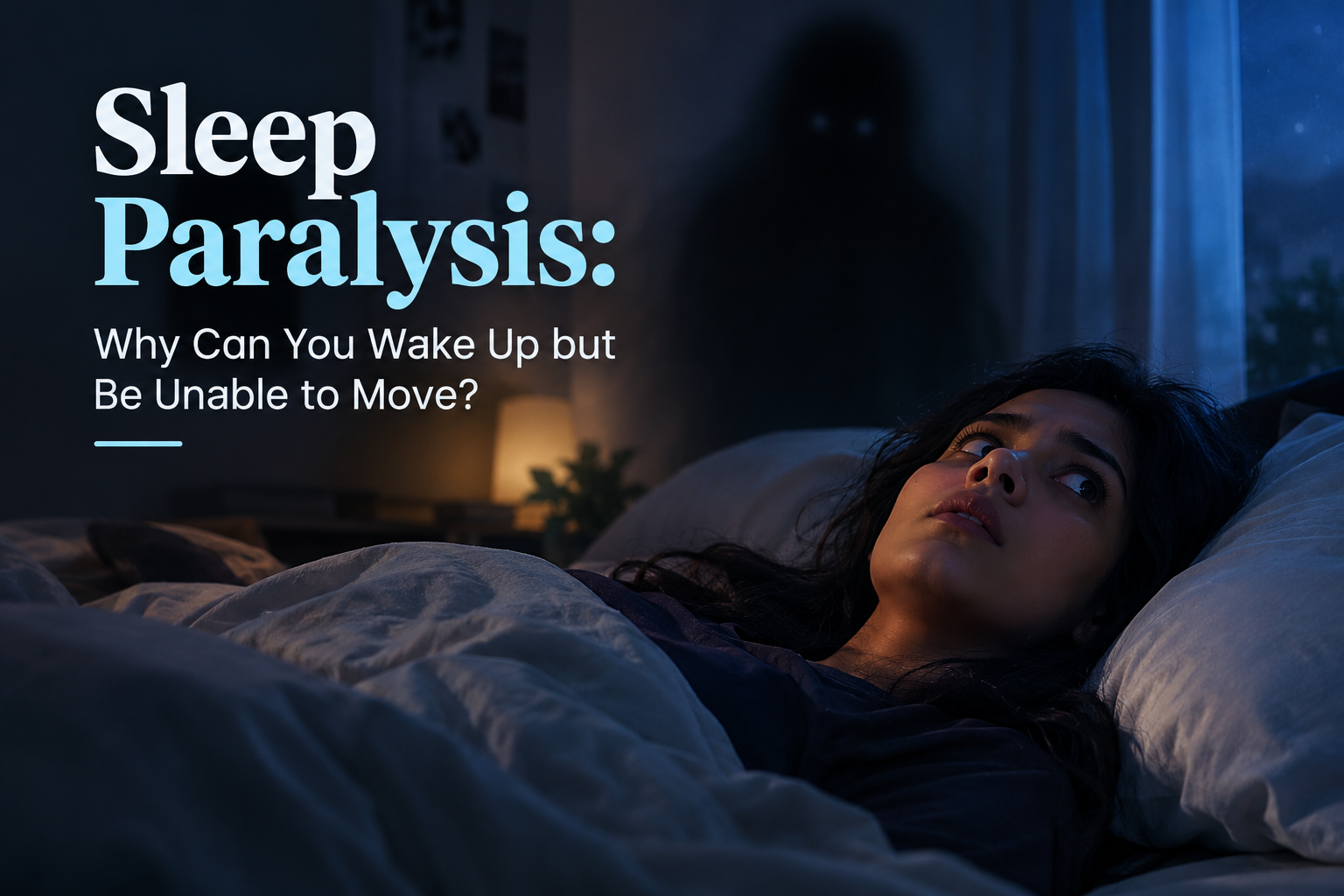
Imagine opening your eyes in the middle of the night. Your bedroom looks familiar, you can hear the fan, and you know you are awake. Yet your arms will not move, your voice will not come out, and a frightening feeling tells you that something is wrong. What just happened? This experience is called sleep paralysis. Knowing what happens in the brain can make the experience less frightening and help you respond calmly if it happens again.
What Is Sleep Paralysis?
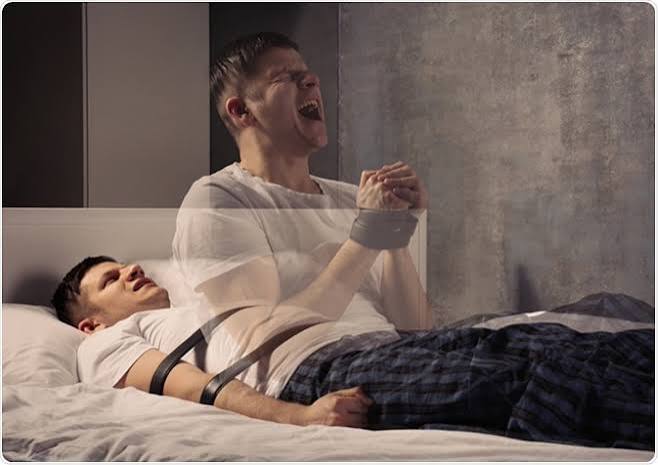
Sleep paralysis is a brief period when a person is conscious but temporarily unable to move or speak while falling asleep or waking up. It usually lasts seconds to a few minutes and ends by itself. Although the experience can be terrifying, ordinary sleep paralysis is generally not physically dangerous.
The Science Behind the Stillness
To understand sleep paralysis, it helps to know about rapid eye movement, or REM, sleep. This is the sleep stage in which vivid dreams commonly occur. During REM sleep, the brain temporarily reduces most voluntary muscle activity. This natural process, called muscle atonia, helps stop you from physically acting out your dreams. During sleep paralysis, awareness returns while the body's REM-related muscle inhibition has not completely ended. Your brain is caught between two states for a short time.
Why Do People See a Shadow or Feel a Presence?
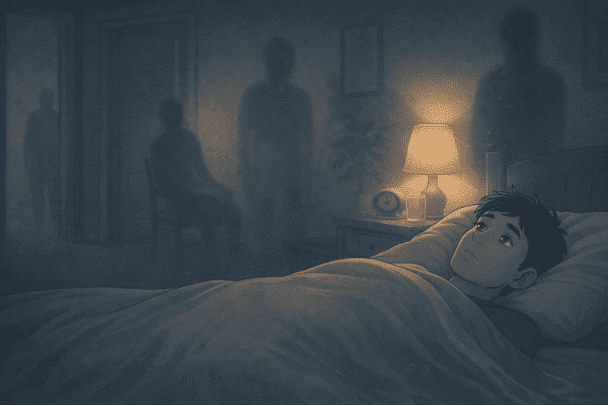
One of the most disturbing parts of sleep paralysis is the feeling that someone or something is in the room. Some people report seeing dark figures, hearing strange sounds, or feeling a presence near their bed. These experiences are sleep related hallucinations. Because the brain is partly in a dream state, dream images and sensations may seem unusually vivid and convincing. Fear can make the experience feel even more threatening. Chest pressure or a sense of restricted breathing can also occur, although breathing usually continues. A scientific explanation does not dismiss how frightening the event feels; it helps separate the sensation from the conclusion drawn from it.
What Makes Sleep Paralysis More Likely?
Several factors are associated with sleep paralysis:
- Not getting enough sleep: Staying awake too late or regularly sleeping too little can disrupt normal sleep patterns.
- Irregular schedules: Shift work, changing bedtimes, and jet lag can disturb the body's sleep rhythm.
- Stress and anxiety: Emotional strain may contribute to disrupted sleep and make episodes more likely.
- Sleeping on your back: Some people report episodes more often in this position.
- Other sleep conditions: Sleep paralysis can occur alongside insomnia or narcolepsy, a condition associated with severe daytime sleepiness and sudden sleep episodes.
What Should You Do While It Is Happening?
The most useful thing to remember is that a typical episode is temporary. Try these steps:
1. Remind yourself what it is. Think, “This is sleep paralysis. It will pass.” Naming the experience can help reduce panic.
2. Keep your breathing steady. Focus on gentle, natural breaths rather than struggling or holding your breath. The sensation may be frightening, but try not to interpret it as proof that you cannot breathe.
3. Try a tiny movement. If possible, concentrate on moving one finger, a toe, or your eyes instead of attempting to move your entire body.
4. Reduce the fear afterward. Once movement returns, sit up slowly, switch on a light if helpful, and give yourself a moment to settle. You might note when it happened and how you slept recently.
Can You Prevent It?
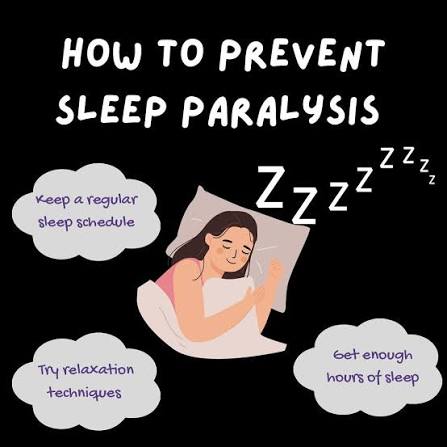
You cannot always prevent sleep paralysis, but healthier sleep habits may reduce the chance of another episode. Aim for seven to nine hours of sleep and keep your bedtime and wake up time consistent. Create a relaxing routine, reduce late caffeine and avoid heavy meals before bed if they disturb your sleep. If worries keep your mind active at night, try writing down tomorrow's tasks, practicing slow breathing, or setting aside time to address concerns earlier in the evening.
When Should You Seek Medical Advice?
Speak with a healthcare professional if episodes happen frequently, make you afraid to sleep, or leave you exhausted during the day. Seek advice as well if you experience extreme daytime sleepiness or sudden episodes of falling asleep, since these can indicate another sleep condition. Do not assume that every episode of weakness is sleep paralysis. If weakness continues after you are fully awake, occurs suddenly while awake, or comes with symptoms such as facial drooping, difficulty speaking, severe headache, or chest pain, seek urgent medical help.
The Takeaway
Sleep paralysis is a strange meeting point between dreaming and waking. Your awareness returns before the temporary muscle stillness of REM sleep has ended, and dream like sensations may make the moment feel threatening. It is usually brief and harmless, even when it feels incredibly real. Understanding the process can replace some of the fear with reassurance. If it happens, focus on steady breathing, small movements, and the reminder that the episode will pass. And if it becomes frequent or affects your daily life, getting medical advice is a sensible step. The experience may be unsettling, but you are not alone and knowing what is happening is a powerful first step toward feeling less afraid.
Another important thing to remember is that your sleep habits can influence how often sleep paralysis occurs. Maintaining a consistent bedtime, getting enough rest, reducing stress, and creating a relaxing nighttime routine may help lower the chances of experiencing it. Avoiding irregular sleep schedules and excessive screen time before bed can also support better sleep quality. However, sleep paralysis does not always happen because of poor habits, and experiencing it does not mean you have done something wrong.
Most importantly, do not allow the fear of another episode to prevent you from sleeping peacefully. Worrying excessively about sleep paralysis may increase bedtime anxiety and make rest more difficult. Instead, remind yourself that the experience has a scientific explanation and is generally not dangerous. If you regularly experience episodes alongside extreme daytime sleepiness, sudden muscle weakness, or persistent sleep problems, consult a healthcare professional. Better understanding, healthy sleep habits, and appropriate support can help you approach sleep with greater confidence and peace of mind.
Comments (0)
Leave a comment
No comments yet. Be the first to share your thoughts!
About the Author

Zahra
A passionate and creative content writer with over one year of experience at Fount Beyond, specializing in engaging, informative, and research driven articles. Skilled at turning ideas into compelling content that informs, inspires, and connects with readers. Always eager to explore new topics, bring fresh perspectives, and grow as a writer.