Pongal: The Golden Harvest Feast That Makes January Taste Like Home
Pongal is a traditional South Indian harvest dish closely associated with the month of January. Prepared with rice, lentils, milk, and jaggery or spices, Pongal symbolizes prosperity, gratitude, and abundance. Celebrated during the Pongal festival, it honors nature, farmers, and the Sun God. This wholesome dish reflects seasonal eating, cultural heritage, and sustainable living, making Pongal a timeless and meaningful January food tradition loved across generations.
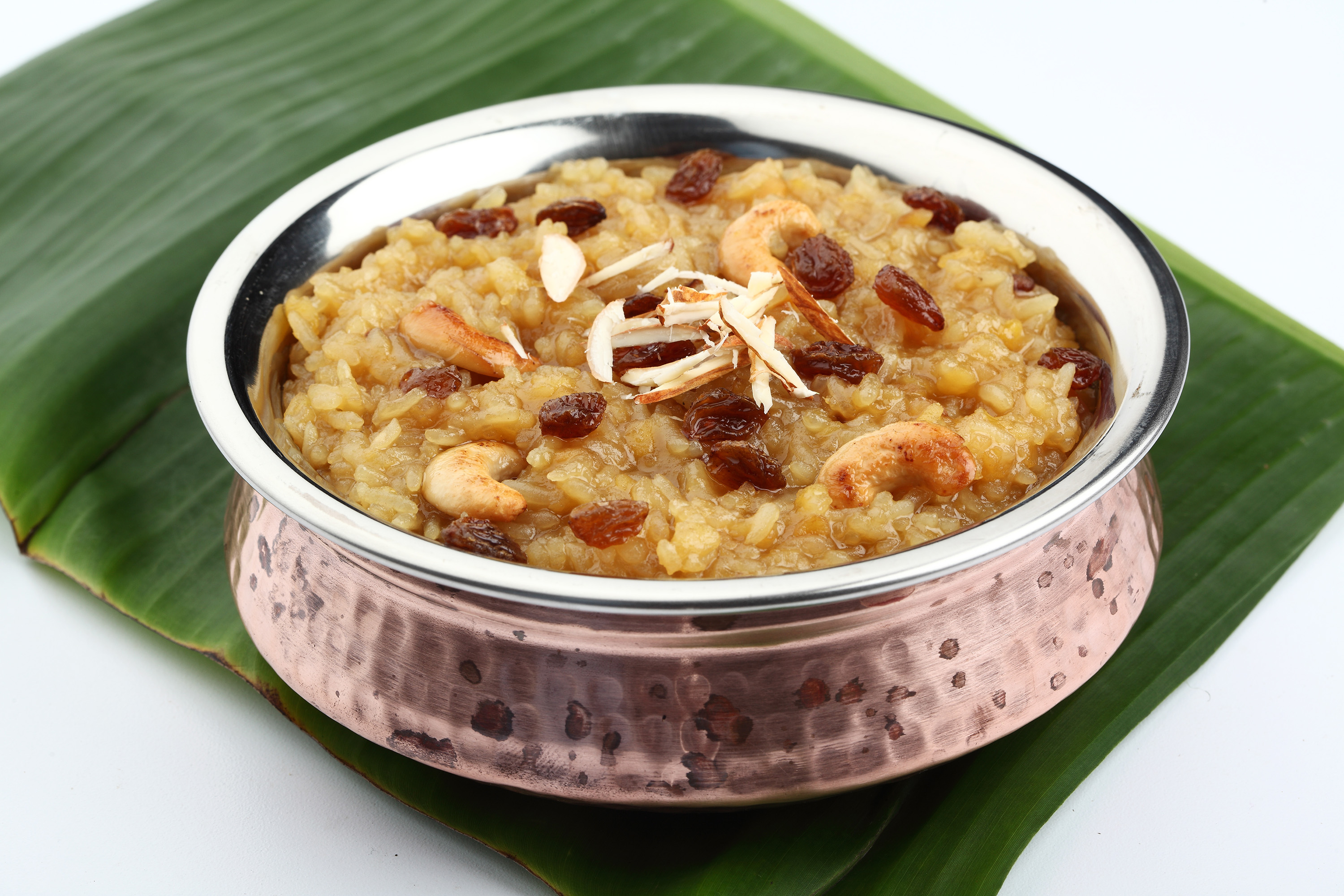
Pongal: The Golden Harvest Feast That Makes January Taste Like Home
January is not just the beginning of a new calendar year. It is a celebration of renewal, gratitude, and abundance. Across South India, this month carries a special warmth, not only because of the harvest season but also because of a beloved dish that defines it: Pongal. More than food, Pongal is an emotion, a tradition, and a symbol of thankfulness that has been passed down through generations.
In a world where fast food and global cuisines dominate our plates, Pongal stands tall as a reminder of simplicity, culture, and the deep connection between humans and nature. Every spoonful of Pongal tells a story of farmers, fields, sunshine, and community.
The Meaning of Pongal: More Than a Dish
The word “Pongal” literally means “to boil over” in Tamil. This overflowing is symbolic. It represents prosperity, abundance, and good fortune. When rice, milk, and jaggery boil and spill over the pot during the Pongal festival, it is greeted with cheers and joy, as it signifies a year filled with plenty.
Unlike many modern celebrations, Pongal is deeply rooted in gratitude. It is a time to thank:
The Sun God for energy and warmth
Nature provides fertile land and rain
Farmers for their tireless hard work
Cattle for helping in agriculture
At the heart of all these celebrations lies the humble yet powerful dish called Pongal.
Pongal Festival: January’s Soulful Celebration
Pongal is celebrated in mid-January, usually from January 14 to 17, and it aligns with the harvest season and the sun’s transition into the zodiac sign Capricorn (Makara Sankranti).
The festival typically spans four days, each with its own significance:
1. Bhogi Pongal
The first day focuses on letting go of the old. People discard unused items, clean their homes, and prepare for new beginnings.
2. Thai Pongal
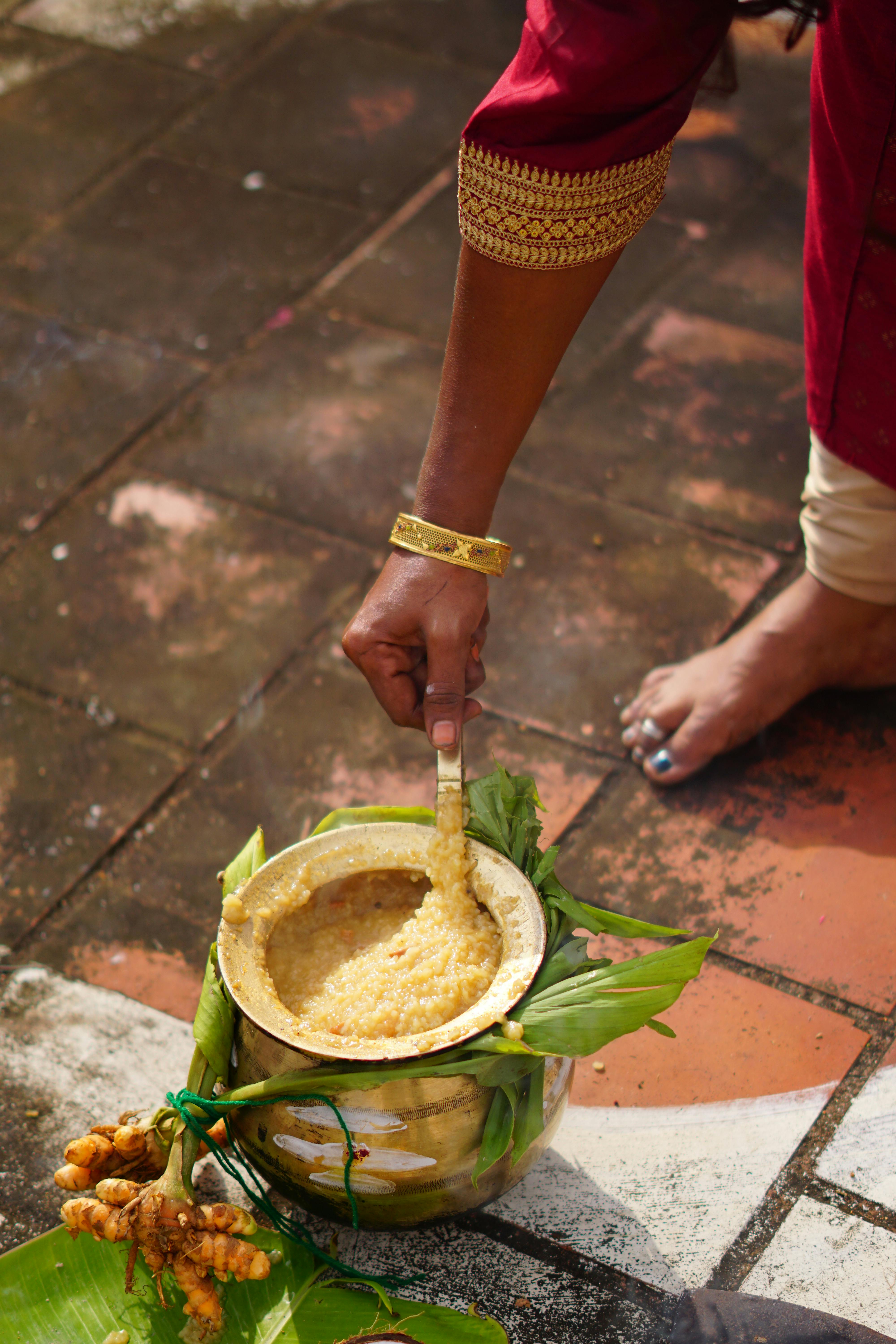
The main day of the festival where the Pongal dish is cooked outdoors under the open sky, facing the sun. Families gather, decorate their homes with kolams (rangoli), and offer Pongal to the Sun God.
3. Mattu Pongal
Dedicated to cattle, especially cows and bulls, which play a vital role in agriculture. They are bathed, decorated, and worshipped.
4. Kaanum Pongal
A day for family bonding, outings, and social gatherings.
Throughout these days, Pongal—the dish—remains the centerpiece.
Sweet Pongal: The Taste of Celebration
Sweet Pongal (Sakkarai Pongal) is the most iconic version of the dish. It is rich, comforting, and filled with natural flavors.
Key Ingredients:
Rice
Moong dal (lentils)
Jaggery
Milk
Ghee
Cashews and raisins
Cardamom
The jaggery adds depth and warmth, while ghee gives it richness. Cardamom enhances the aroma, making it impossible to resist. Sweet Pongal is not just food—it is prasadam, an offering made with devotion and love.
Savory Pongal: Comfort in a Bowl
While sweet Pongal is festive, Ven Pongal (savory Pongal) is comfort food at its finest. Often enjoyed as breakfast, it is simple, nourishing, and incredibly satisfying.
Key Ingredients:
Rice
Moong dal
Black pepper
Cumin seeds
Ginger
Ghee
Served hot with coconut chutney and sambar, Ven Pongal represents balanced nutrition, taste, and tradition all in one bowl.
Why Pongal Is Perfect for January
January is a winter month in many parts of the world, and food choices naturally shift toward warmth and nourishment. Pongal fits this perfectly.
It is warm and filling, ideal for cooler mornings
Made from freshly harvested rice, symbolizing seasonal eating
Packed with nutrients and energy, perfect after the harvest
Easy to digest and comforting
In an age where people are rediscovering the importance of seasonal and mindful eating, Pongal feels more relevant than ever.
Pongal and the Farmer’s Story
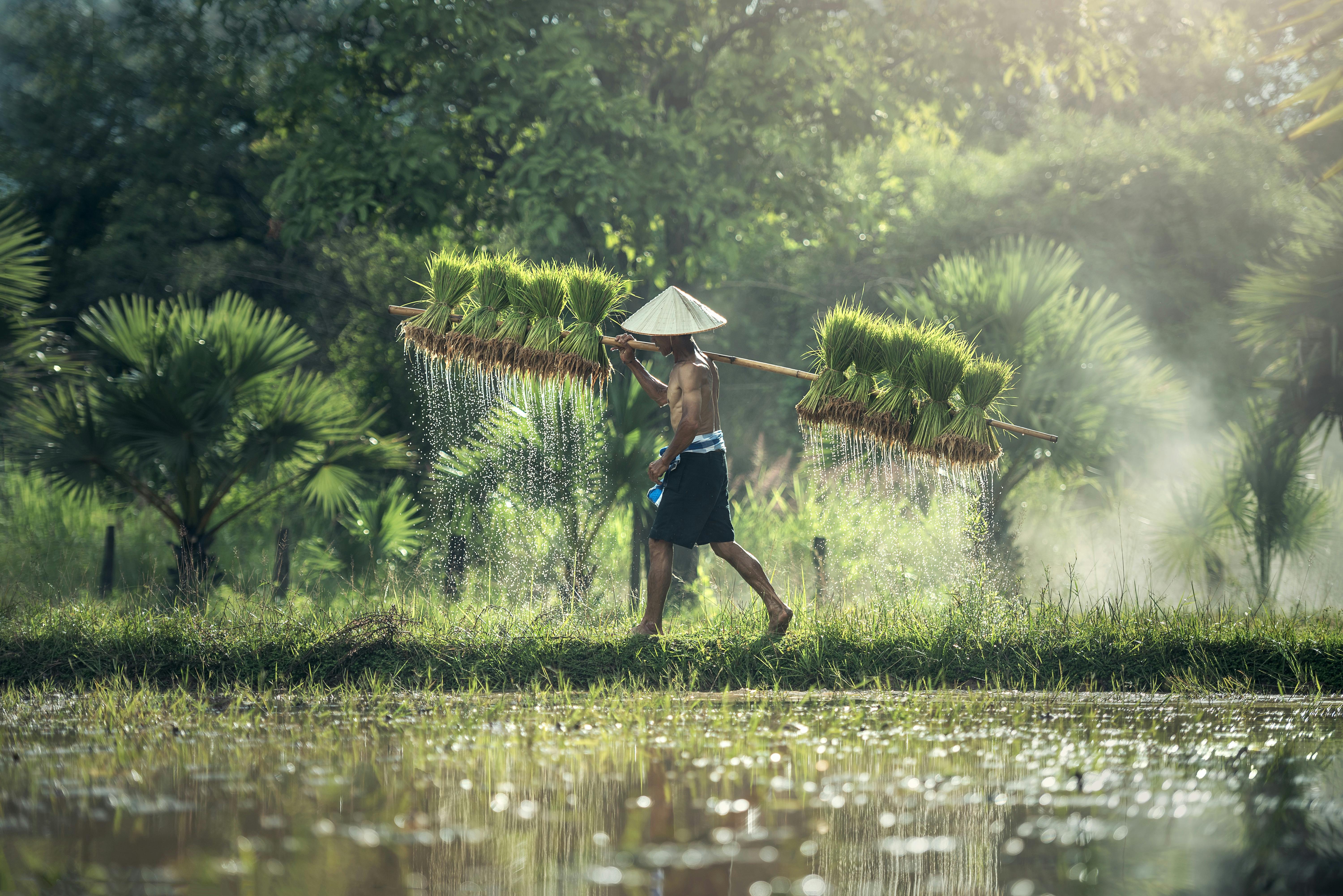
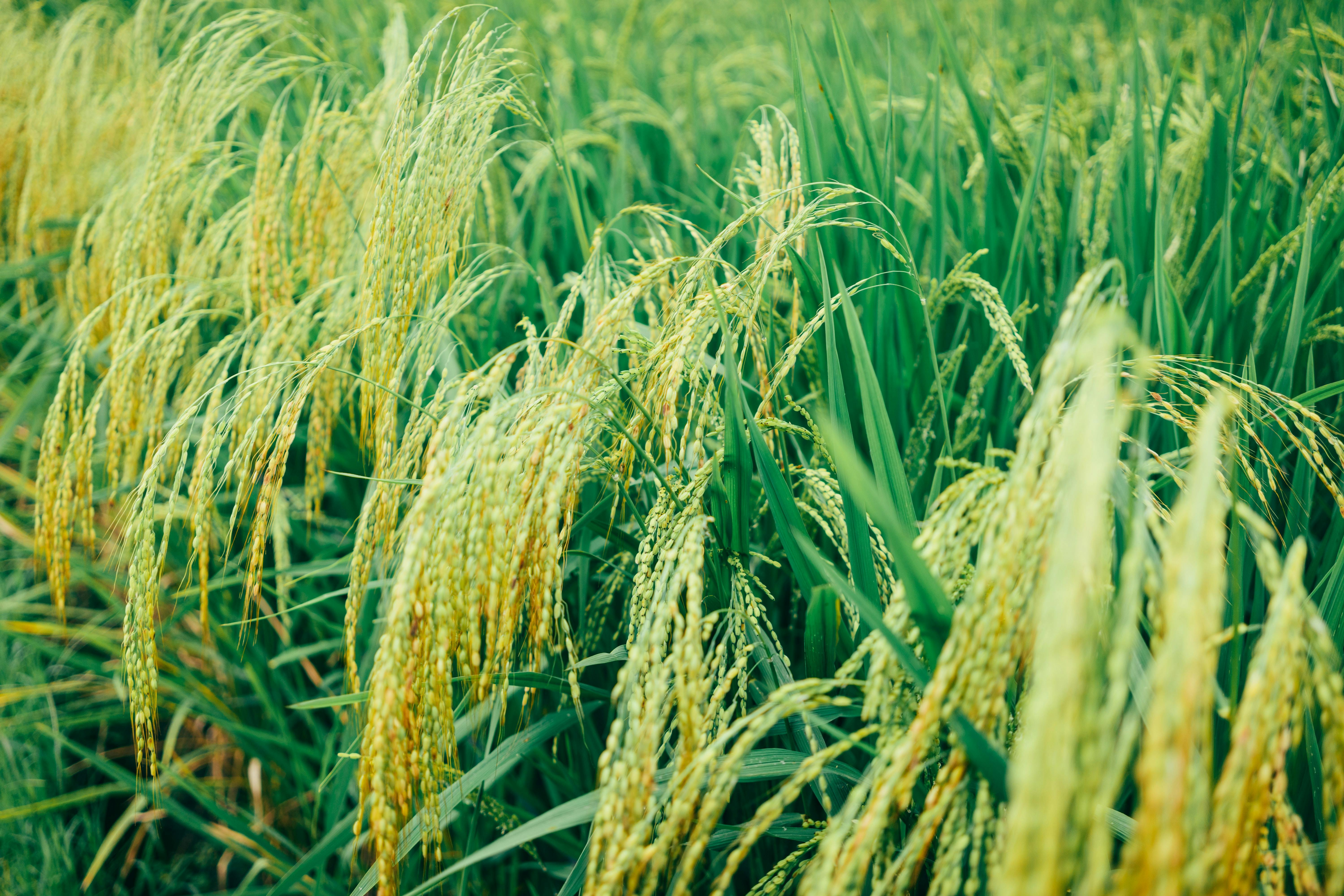
Pongal cannot be separated from agriculture. Every grain of rice in the dish represents months of labor ploughing, sowing, watering, and harvesting. The festival is a rare moment when farmers are placed at the center of celebration.
Cooking Pongal outdoors, traditionally in clay pots, is a tribute to this journey from soil to plate. It reminds us that food does not come from supermarkets. It comes from the earth.
A Dish That Unites Communities
One of the most beautiful aspects of Pongal is its ability to bring people together.
Families cook together
Neighbors exchange Pongal
Communities gather for celebrations
Temples distribute Pongal to devotees
Regardless of economic status or background, everyone eats the same Pongal. It is a festival where equality is served in a bowl.
Pongal Beyond South India
While Pongal originated in Tamil Nadu, its spirit has crossed borders.
In Sri Lanka, Pongal is celebrated with equal enthusiasm
Across India, similar harvest festivals exist—like Lohri, Makar Sankranti, and Bihu
Globally, Tamil communities celebrate Pongal, keeping traditions alive far from home
For many living abroad, Pongal is a powerful reminder of roots, identity, and belonging.
Health Benefits of Pongal
Pongal is not just traditional. It is also healthy.
Rice provides energy
Lentils offer protein
Jaggery is rich in iron and minerals
Ghee aids digestion when consumed in moderation
Spices like ginger and pepper boost immunity
In January, when immunity and warmth are important, Pongal acts as natural nourishment.
Pongal in Modern Times
Today, Pongal has adapted without losing its soul.
Restaurants offer Pongal specials in January
Food bloggers experiment with millet Pongal and vegan versions
Pongal is featured in international food festivals
Social media fills with Pongal recipes, photos, and stories
Yet, the essence remains unchanged. gratitude, simplicity, and togetherness.
Why Pongal Feels Like Home
Ask anyone who celebrates Pongal, and they will tell you. It smells like home. The aroma of ghee, jaggery, and cardamom drifting through the house on January mornings is unforgettable.
It reminds people of:
Childhood memories
Grandparents cooking together
Early morning prayers
Laughter and shared meals
In a fast-moving world, Pongal asks us to slow down and appreciate what we have.
A Bowl Full of Gratitude
In the end, Pongal is not just a January dish. It is a philosophy. It teaches us to be thankful for nature, respectful of labor, mindful of food, and connected to our communities.
As the milk boils over and the rice softens, Pongal reminds us that abundance grows when gratitude overflows.
So this January, when you think of special food, think of Pongal, the golden harvest feast that turns a simple meal into a celebration of life itself
Pongal as a Symbol of Sustainable Living
In today’s world, where sustainability has become a global concern, Pongal quietly teaches powerful lessons. The festival promotes local produce, seasonal ingredients, minimal waste, and respect for nature. Traditional Pongal cooking uses clay pots, firewood, banana leaves, and fresh farm ingredients. These methods are eco-friendly and deeply connected to the earth.
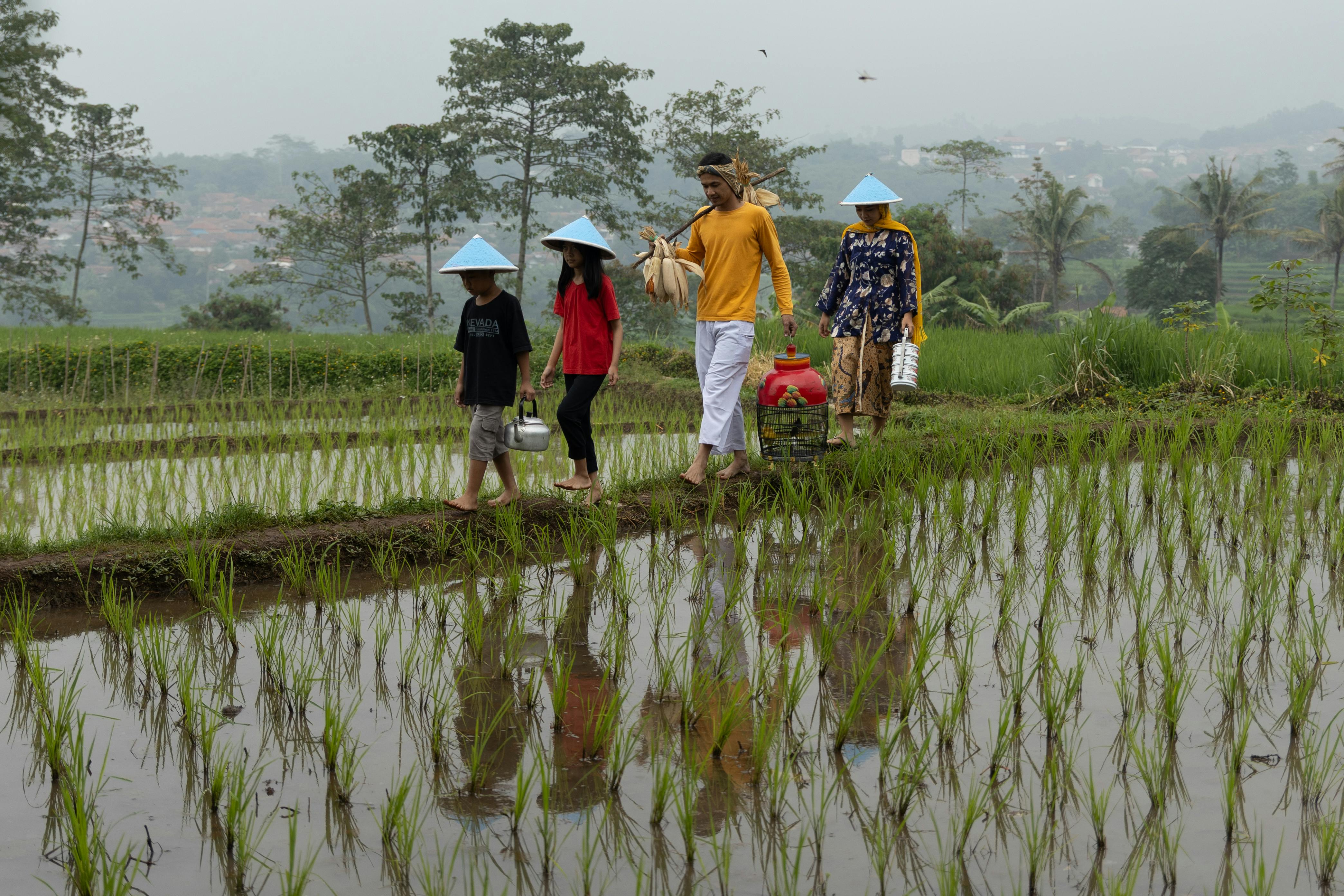
Long before concepts like “organic food” and “farm-to-table” became trends, Pongal embodied them. It reminds us that sustainable living is not new. It is rooted in ancient wisdom.
Pongal and Childhood Memories
For many people, Pongal is deeply emotional. It brings back memories of childhood, waking up early to the sound of elders chanting prayers, watching milk boil over, running around with cousins, and waiting eagerly for the first serving of sweet Pongal.
Children learn cultural values not through textbooks, but through festivals like Pongal. They learn gratitude, sharing, respect for elders, and love for tradition. These memories often stay alive long after people move away from their hometowns.
Pongal in the Digital Age
In recent years, Pongal has found a vibrant presence online. Social media platforms are filled with:
Pongal cooking reels
Traditional outfit photos
Pongal kolam designs
Stories about village celebrations
Hashtags trend, recipes go viral, and people from different cultures get introduced to Pongal. Technology has helped transform a regional festival into a global cultural experience.
Pongal as a Cultural Identity
For Tamil communities worldwide, Pongal is more than a festival. It is an identity. Celebrating Pongal abroad helps preserve language, values, and traditions for future generations.
Schools, cultural associations, and temples organize Pongal events to ensure that children born far from their homeland still feel connected to their roots. In this way, Pongal becomes a bridge between generations.
Why the World Needs Pongal’s Message Today
Modern life often revolves around speed, consumption, and competition. Pongal offers a refreshing contrast. It asks us to pause and reflect:
Where does our food come from?
Have we thanked the hands that feed us?
Are we living in harmony with nature?
Pongal’s message of gratitude, simplicity, and togetherness feels more important today than ever before.
Pongal: A Timeless January Tradition
As years pass and lifestyles change, Pongal continues to remain relevant. It adapts without losing its essence, welcoming innovation while holding onto tradition.
Whether enjoyed in a rural village or a city apartment, whether cooked in a clay pot or a pressure cooker, Pongal retains its soul. It is proof that some traditions do not fade they evolve.
Final Thoughts: Let Gratitude Overflow
Pongal is not just something you eat. It is something you feel. It reminds us that happiness grows when shared, abundance multiplies when appreciated, and life feels richer when we stay connected to nature.
This January, as the sun shines brighter and harvest fields glow golden, let Pongal fill not just your plate, but your heart. Because when gratitude overflows, life truly becomes Pongal
Comments (0)
Leave a comment
No comments yet. Be the first to share your thoughts!
About the Author

Tell us a little about yourself.