Immune System Glow-Up: Stop Getting Sick Every Semester
Tired of catching every cold going around while juggling exams, side hustles, and late nights? This article delivers real-talk, science-backed hacks for young adults to supercharge your immune system with not-so-common daily habits like time-restricted eating, gut-feeding ferments, and stress-busting micro-routines. Backed by tried-and-tested tips, it breaks down why strong immunity saves your 20s from sick days and burnout, plus what you lose if you skip it. Get your 7-day glow-up challenge inside!
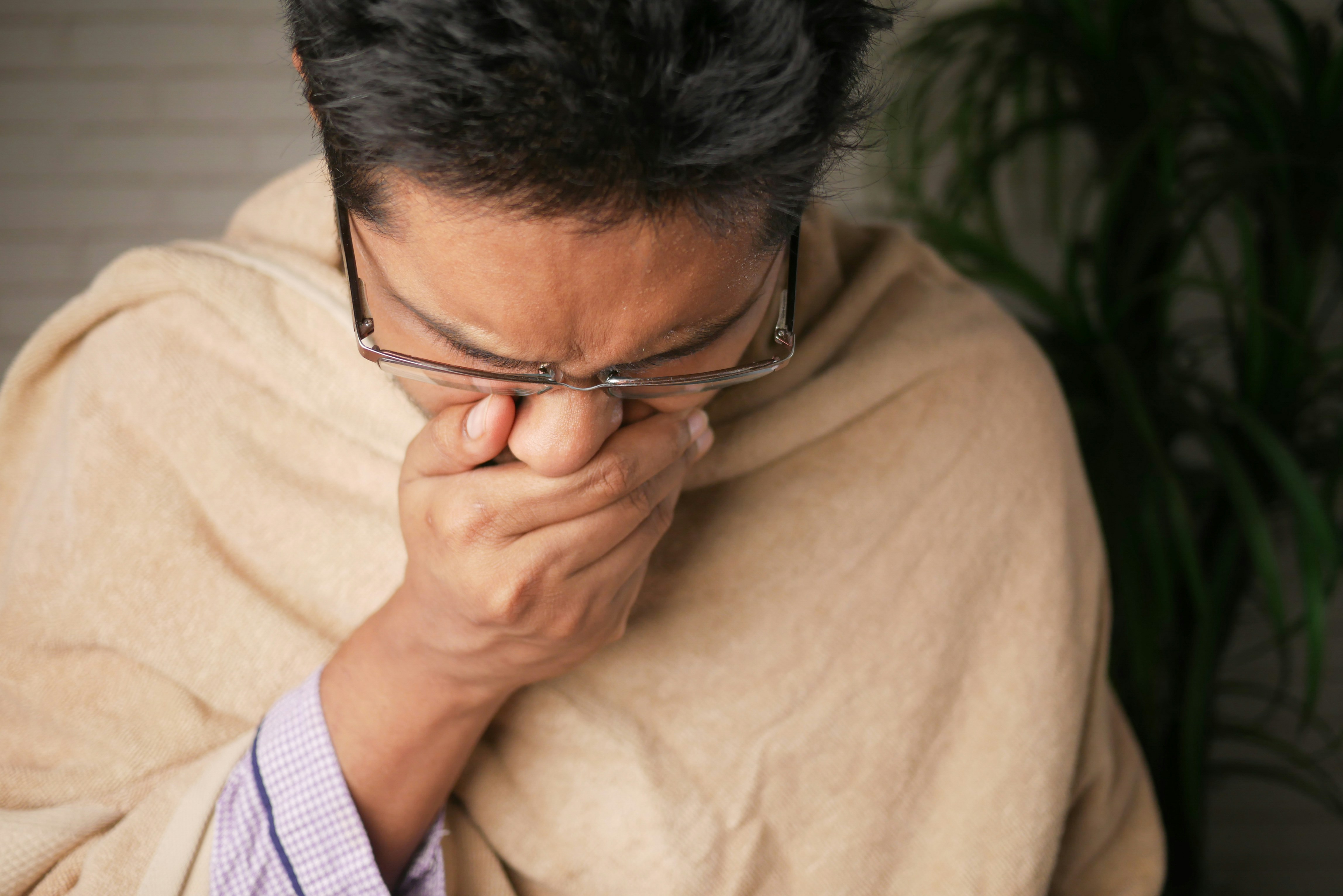
Immune System Glow-Up: Stop Getting Sick Every Semester
Why Are We Always Sick?
It’s week three of exams. I’m running on iced coffee, four hours of sleep, and pure delusion. I’ve got a part-time shift after class, a group project due at midnight, and a party invite I definitely shouldn’t accept but will anyway. Then it hits. Scratchy throat. Heavy head. That weird “am I getting sick or just tired?” feeling. By the next morning, I’m fully knocked out—congested, exhausted, staring at lecture slides like they’re written in another language.
If that feels familiar… yeah. Same.
Here’s the one-liner I wish someone told me earlier: your immune system is literally your body’s security team, and we’ve been underpaying it. Hard.
Your immune system is how well your body fights viruses, bacteria, and other pathogens. It’s the reason you recover from a cold in a few days instead of weeks. Or why you don’t get sick every single time someone sneezes near you in a packed lecture hall.
And in our youth? Between stress, sleep deprivation, party culture, and “I’ll deal with it later” habits, that security team is exhausted.
Why Immunity Actually Matters in Your 20s
I know. We’re young. We “bounce back.” We flex that recovery like it’s a personality trait. But low immunity still shows up fast.
It looks like:
Constant colds, flu, gut issues, and random infections
Taking longer to recover than your friends
Feeling tired even when you technically slept
Here’s something most people don’t realize: when you’re sleep-deprived or stressed, your body responds worse to vaccines. That means even when you do the “right thing,” your immune system can’t build strong protection.
Now the long game. Chronic sleep loss and stress push inflammation up in your body. Over time, that inflammation is linked to a higher risk of heart disease, depression, and some cancers later in life. Not cute.
What you lose if you ignore immunity now:
Missed uni days and shifts
More doctor visits and meds
Constant fatigue that makes everything harder
A weaker response when something serious hits (flu, COVID, pneumonia)
Myth-Busting: What Doesn’t Boost Immunity
Let’s clear the nonsense.
No, one “immune shot” or random supplement isn’t fixing a lifestyle built on chaos. You can’t out-supplement four hours of sleep and daily stress.
Overtraining in the gym? Also not the move. Going all-out every day with zero recovery actually stresses your immune system. Same with living on energy drinks and calling it “fuel.”
Vaccines, sleep, food, movement, stress, and habits matter way more than magic pills. Supplements are the backup singers, not the main act.
 Tried, Tested, But Not-So-Obvious Daily Habits That Actually Work
4.1. Guard Your Sleep Like It’s An Exam You Didn’t Study For
Sleep is the backbone. No drama. No debate.
Aim for 7–9 hours. Short sleep—under 6 hours—makes you more likely to get infections and weakens how well vaccines work. When you don’t sleep, your body struggles to build immune memory. That means you don’t just get sick more often, you recover more slowly too.
Chronic sleep loss also ramps up inflammatory markers in your blood. That’s inflammation you don’t feel immediately, but it adds up.
Uni-life tips that actually work:
Set a non-negotiable phone-off time 30–60 minutes before bed
Keep your sleep schedule mostly consistent, even on weekends
I used to “catch up” on sleep every weekend. Turns out, that just confused my body more.
What you lose if you skip this: more sick days, brain fog, mood swings, and an immune system that can’t do its job properly.
“Sleep isn’t lazy. It’s literally immune maintenance.”
Time-Restricted Eating (TRE) for Immune Resilience
This isn’t extreme fasting. Calm down.
Time-restricted eating just means keeping your food within about a 10-hour window—like 10 a.m. to 8 p.m. You’re not starving. You’re giving your body a break from constant digestion.
TRE can help stabilize metabolism, support gut health, and improve immune function. When your blood sugar is constantly spiking from random late-night snacks, your body stays in a stressed state. That stress leaks into your immune system.
Make it student-proof:
Pick a window that fits your timetable
Stop the “just one snack” at 1 a.m.
Eat enough during the day—this is about timing, not restriction
What you lose if you ignore it: more metabolic stress, higher inflammation, and an immune system that’s always playing catch-up.
Feed Your Gut (Your Immune HQ)
Plot twist: a huge chunk of your immune system lives in and around your gut.
Your gut bacteria help immune cells tell the difference between normal cells and actual threats. When your gut’s a mess, your immune system gets confused.
Fermented foods like yogurt, kefir, kimchi, sauerkraut, and natto provide probiotics that support immune balance. High-fiber foods—veggies, fruits, legumes, whole grains, seeds—feed the good bacteria.
Aim for:
One fermented food most days
28–35 g of fiber per day from real food
I started adding yogurt and fruit to breakfast and beans to random meals. Low effort. Big payoff.
What you lose if you ignore it: weaker gut barrier, more inflammation, higher risk of infections—and possibly autoimmune issues over time.
Smart Movement: “Sweaty, Not Destroyed”
Exercise is medicine, if you don’t abuse it.
Regular moderate exercise boosts immune surveillance and may reduce your chances of dying from infections like flu or pneumonia. Even one moderate workout can improve how well vaccines work in people with weaker immunity.
But overtraining with no recovery? That suppresses immunity.
Simple rules:
~150 minutes of moderate movement per week
Add some strength work
Walk 20–30 minutes outside most days
Walking outside does more than burn calories. It calms your nervous system and supports microbiome diversity.
What you lose if you do nothing or overdo it: sluggish immune response from inactivity, or suppressed immunity from constant overtraining.
Micro-Stress Management (Especially Money/Stress)
Stress isn’t just “in your head.” Chronic stress increases immune-neuroendocrine biomarkers and pushes your body toward a high-inflammation state—especially financial stress.
Pair stress with short sleep? That’s a brutal combo. Your immune system stays activated but ineffective. Like an alarm that never turns off.
Things that actually help:
5–10 minutes of slow breathing or meditation daily
Short yoga or mindfulness sessions
Scheduled “worry appointments” where you journal instead of spiraling all day
I started dumping my stress onto paper before bed. Didn’t fix everything, but my sleep and immunity improved fast.
What you lose if you ignore stress: more frequent illness, worse sleep, higher risk of mental health issues and chronic disease later.
Quit or Cut Back on Smoking and Excess Alcohol
I won’t preach. Just facts.
Smoking makes your body worse at fighting disease and increases risk of immune system problems like rheumatoid arthritis. Alcohol—especially heavy or frequent use—impairs immune function and raises infection risk.
You don’t need perfection.
Start here:
Shift from daily to occasional drinking
Keep it moderate
If you smoke, cut down first, then get help to quit
What you lose if you ignore this: higher risk of respiratory infections, slower healing, and more chronic disease—even in midlife.
Strategic, Evidence-Based Supplements (Not a Candy Shop)
Supplements only help if you’re actually deficient.
Some nutrients with solid evidence:
Vitamin D: low levels are linked to higher risk of getting sick
Zinc: can shorten colds if taken early and in proper doses
Vitamin C, vitamin E, trace elements: support normal immune function
But megadosing “just because”? Not smart. Side effects are real.
These work best on top of healthy basics—not instead of them.
What you lose if you never check: undiagnosed deficiencies that keep you sick, tired, and recovering slowly for no obvious reason.
Everyday Mini-Habits You Can Add This Week
7-Day Immune Glow-Up Challenge
Protect 7–8 hours of sleep (no all-nighters unless it’s an actual emergency)
Eat one fermented food + two different colored fruits or veggies daily
Move your body 20–30 minutes a day, outside if possible
Do 5 minutes of breathing, journaling, or meditation before bed instead of scrolling
Choose 3 days this week with zero smoking and no or minimal alcohol
Ask your doctor about checking vitamin D if you’re always sick or tired
Short. Realistic. Powerful.
Closing Message: Future-You Will Notice
Taking care of your immune system in your 20s is like putting money into a health savings account. You get fewer infections now—and less inflammation and disease risk later.
If you don’t act? You’re signing up for more sick days, burnout, and long-term damage you can’t cram your way out of later.
You don’t need to live like a monk—just stop making your immune system fight every battle alone.
Your glow-up isn’t just skin-deep. It’s cellular.
Comments (0)
Leave a comment
No comments yet. Be the first to share your thoughts!
About the Author
Tell us a little about yourself.