Foods & Drinks
How Long Leftovers Really Last : Safe Storage And Eating Guide
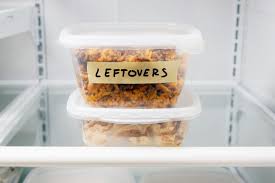
We’ve all opened the fridge and wondered, Is this still okay to eat? This guide answers that question in the simplest way possible. Learn how long leftovers last, how to store them properly, and how to spot when food is no longer safe. It’s practical, easy to follow and something everyone should know to stay safe and avoid unnecessary waste.
Share
How Long Leftovers Really Last: Safe Storage And Eating Guide
We all keep leftovers. Sometimes it’s from a big family meal, sometimes just extra rice or curry we didn’t finish. We put it in the fridge and tell ourselves we’ll eat it later. But later turns into a question we’ve all asked:
Is this still safe to eat?
This question matters more than people think. Leftovers can either save you time and money or make you sick if handled the wrong way.
In this guide, I’m sharing everything you need to know about how long leftovers really last, based on global food safety advice. I’ve kept it simple, practical, and easy to follow, so you can actually use it in daily life.
Why Knowing This Matters
Food does not suddenly go bad. It slowly changes because of bacteria. These tiny organisms grow in food when the conditions are right, especially when food is left outside too long.
Some bacteria can cause foodborne illness. This can lead to:
- Stomach pain
- Vomiting
- Diarrhea
- Weakness
What makes it tricky is that food doesn’t always smell or look bad when it becomes unsafe.
That’s why knowing time limits is important.
Understanding the “Danger Zone”
Globally, food safety experts use something called the temperature danger zone.
👉 This is between 5°C and 60°C
In this range, bacteria grow quickly.
So when your food is:
- Sitting on the table
- Cooling slowly
- Not yet in the fridge
…it is in the danger zone.
The 2-Hour Rule (Global Standard)
The most widely used rule is:
👉 Do not leave cooked food at room temperature for more than 2 hours
But here’s the real-life truth:
In cooler rooms (around 20 to 22°C), food may stay safe a bit longer (up to 3 to 4 hours)
In warmer environments (above 30°C), food can become unsafe much faster (even within 1 hour)
Example:
If you cook rice at 1 PM:
- Cool environment → may still be okay at 4 PM
- Warm environment → should be refrigerated by 2 to 3 PM
So globally, the 2-hour rule is used to stay on the safe side for everyone.
How Long Leftovers Last in the Fridge
Once food is stored properly in the fridge (below 5°C), here’s how long it usually stays safe:
1. Cooked Rice and Pasta
Safe for: 3 to 4 days
Rice needs extra care because it can grow a bacteria that survives cooking if left out too long.
2. Cooked Meat (Chicken, Beef, Fish)
Safe for: 3 to 4 days
Always store in sealed containers.
3. Soups and Curries
Safe for: 3 to 4 days
Make sure they cool before storing.
4. Cooked Vegetables
Safe for: 3 to 5 days
5. Eggs (Cooked)
Safe for: 3 to 4 days
6. Dairy-Based Dishes
Safe for: 3 to 4 days
7. Bread and Baked Foods
Room temperature: 2 to 3 days
Refrigerated: up to 1 week
Freezing Leftovers: A Smart Option
Freezing helps extend food life.
👉 Most leftovers can last 2 to 3 months in the freezer
But remember:
- Freezing slows bacteria and it doesn’t completely stop everything
- Texture and taste may change over time
Good foods to freeze:
- Rice
- Meat dishes
- Soups
- Curries
Not ideal for freezing:
- Fried food (loses texture)
- Creamy dishes (can separate)
How to Tell If Food Is No Longer Safe
Sometimes the signs are obvious, but not always.
Look for these:
- Bad or sour smell
- Slimy or sticky texture
- Strange color changes
- Mold growth
Important:
Even if food looks fine, it can still be unsafe.
If you are unsure, it’s better to throw it away.
Common Mistakes People Make
1. I reheated it, so it’s safe
Not always true. Some bacteria leave behind toxins that heat cannot remove.
2. It smells fine
Some harmful bacteria don’t affect smell.
3. Fridge keeps it safe forever
The fridge only slows down bacteria and it doesn’t stop it.
4. One more day won’t matter
This is a risky habit that often leads to food poisoning.
How to Store Leftovers Properly
Good storage makes a big difference in how long food lasts.
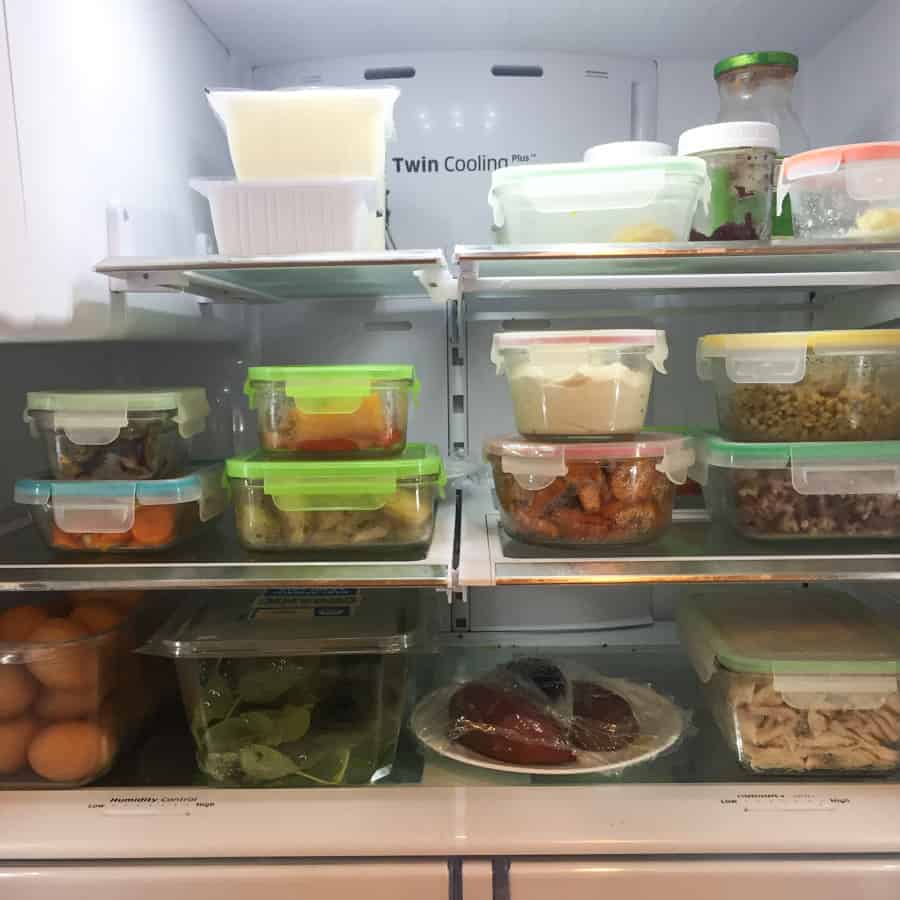
1. Use airtight containers
Keeps food fresh and protected.
2. Cool food before storing
Let it cool slightly, but don’t leave it out too long.
3. Divide into small portions
Helps food cool faster and safely.
4. Label your food
Write the date so you don’t forget.
5. Keep your fridge cold
Below 5°C is ideal.
Reheating Food Safely
When reheating leftovers:
- Heat until steaming hot
- Stir for even heating
- Reheat only once
Example:
If you reheat curry, don’t store and reheat it again.
Real-Life Example
You cook lunch at 1 PM:
- Rice
- Chicken
- Vegetables
Safe steps:
- Let it cool slightly
- Store within 2 hours
- Refrigerate properly
Eating timeline:
- Best within 3 to 4 days
If not eating:
- Freeze early (don’t wait until last day)
Extra Care for Certain People
Some people are more sensitive to food safety risks:
- Children
- Elderly
- Pregnant women
They should always follow stricter rules.
Simple Checklist Before Eating Leftovers
Ask yourself:
✔ Was it stored within 2 hours?
✔ Is it within 3 to 4 days?
✔ Does it look and smell normal?
✔ Was it stored properly?
If not, don’t take the risk.
Final Thoughts
Leftovers are part of everyday life. They help save money, reduce waste, and make meals easier. But they must be handled properly.
The key is simple:
Don’t leave food out too long
Store it correctly
Follow safe time limits
And remember:
It’s always better to throw away food than risk your health.
Once you understand these simple rules, you won’t have to guess anymore. You’ll know exactly what’s safe and what’s not.
Comments (0)
Leave a comment
No comments yet. Be the first to share your thoughts!
About the Author

Zahra
A passionate and creative content writer with over one year of experience at Fount Beyond, specializing in engaging, informative, and research driven articles. Skilled at turning ideas into compelling content that informs, inspires, and connects with readers. Always eager to explore new topics, bring fresh perspectives, and grow as a writer.