Business & Marketing
How Currency Exchange Rates Impact International Business
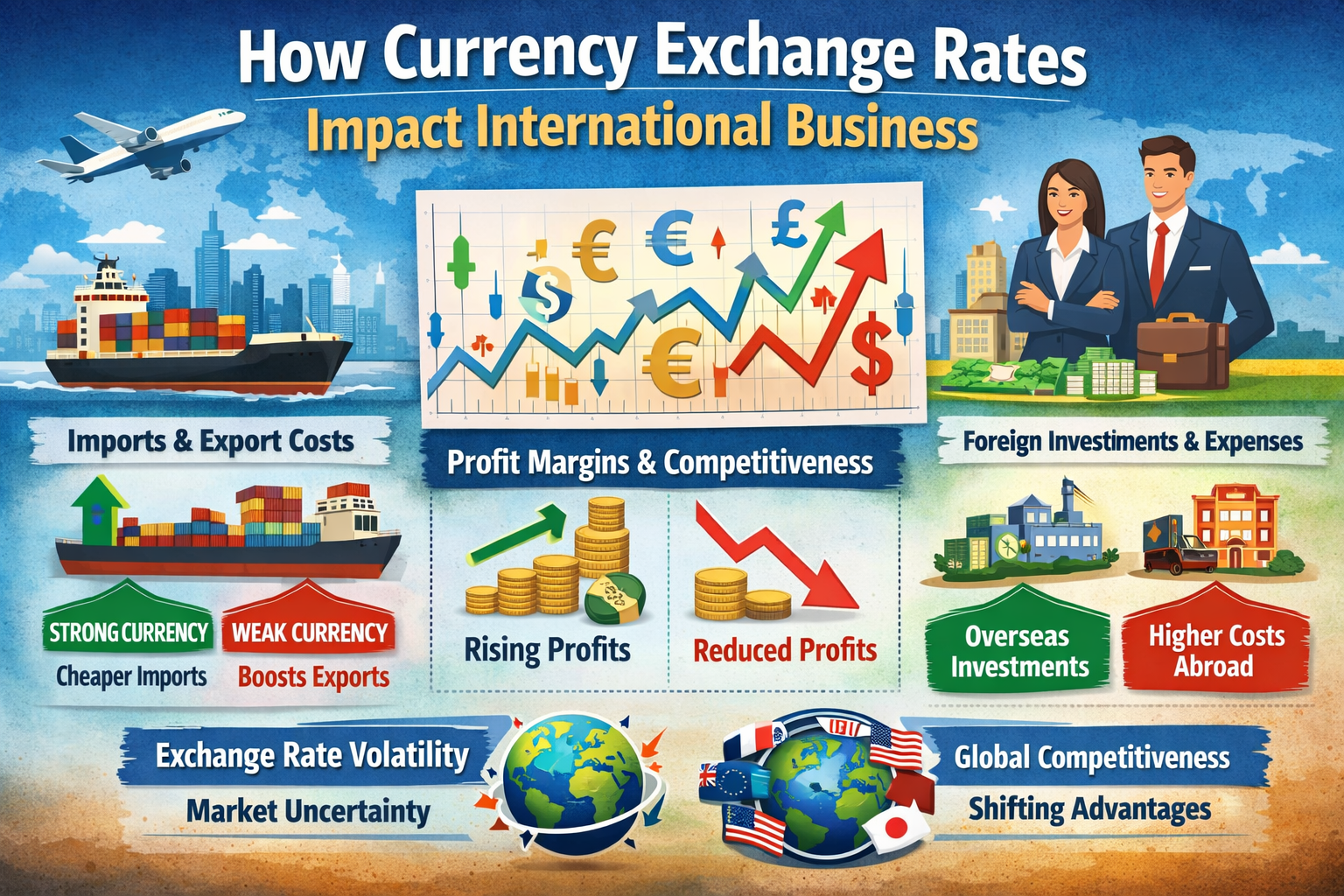
Currency exchange rates play a crucial role in international business by influencing costs, revenues, and profitability. Fluctuations can make exports more competitive or expensive, while also affecting the cost of imports. Businesses face risks such as uncertain profits due to changing rates, but they can manage these through strategies like hedging and careful pricing. Exchange rates also impact investment decisions, global supply chains, and economic stability. Understanding and adapting to these changes helps businesses minimize risks, seize opportunities, and succeed in the global marketplace.
Share
How Currency Exchange Rates Impact International Business
Introduction
In an increasingly globalized world, businesses are no longer limited by geographic boundaries. From small home-based entrepreneurs to multinational corporations, companies are actively engaging in international trade. However, one critical factor that significantly influences global business success is currency exchange rates.
Currency exchange rates determine how much one currency is worth in relation to another, and even small fluctuations can have major financial consequences. Whether a business is exporting goods, importing raw materials, or investing overseas, exchange rate movements play a crucial role in shaping profitability, pricing strategies, and long-term planning.
This article provides a comprehensive, human-centred explanation of how currency exchange rates impact international business, helping entrepreneurs and professionals understand both risks and opportunities.
Understanding Currency Exchange Rates
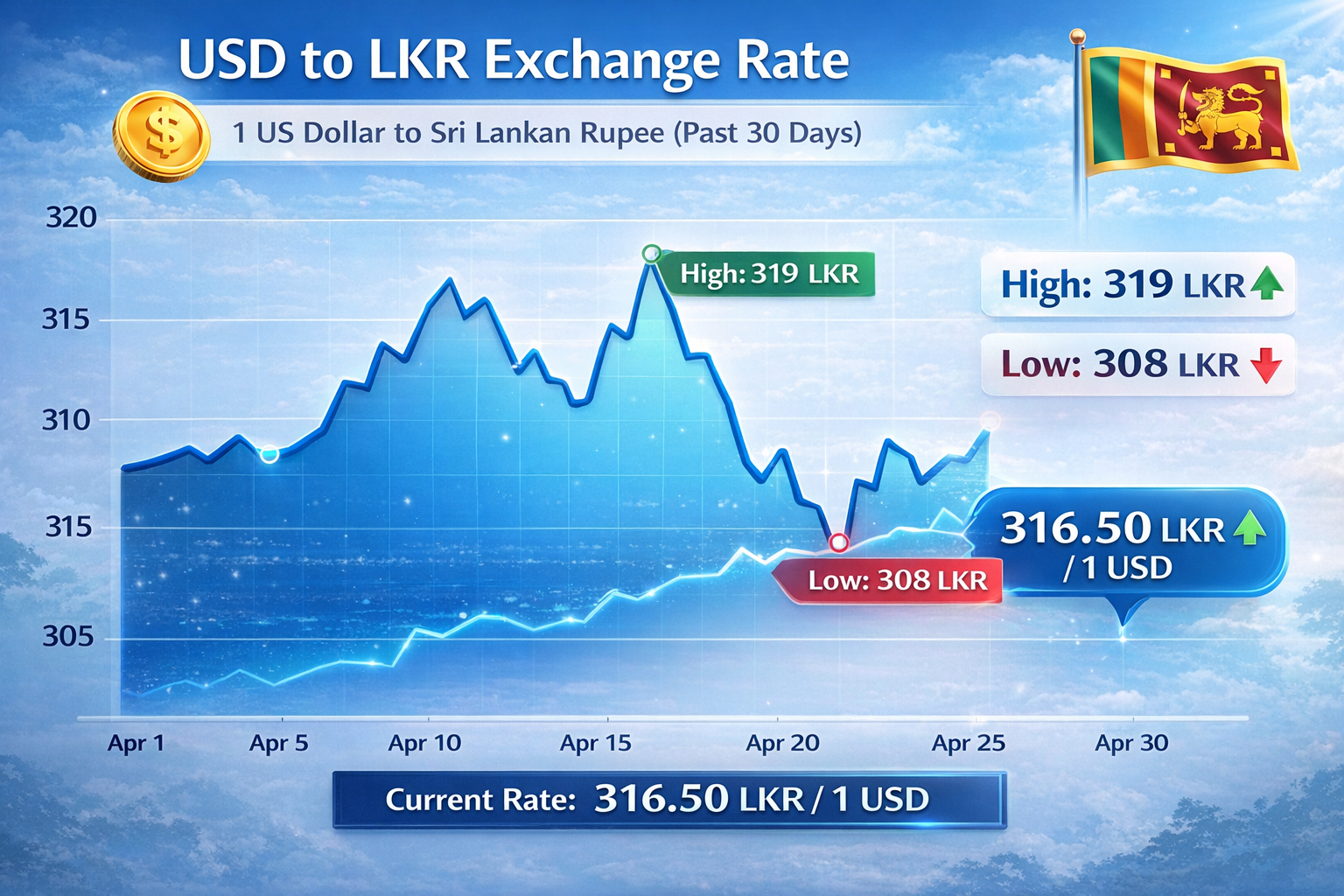
A currency exchange rate is the value of one country’s currency compared to another. For example, if 1 US Dollar equals 300 Sri Lankan Rupees, this rate determines how much businesses pay or receive in international transactions.
Exchange rates fluctuate due to several key factors:
• Inflation rates
• Interest rates
• Economic stability
• Political conditions
• Supply and demand in foreign exchange markets
These fluctuations create both opportunities and challenges for businesses operating globally.
Types of Exchange Rate Systems
Floating Exchange Rate System
In this system, exchange rates are determined by market forces without direct government control. Most major economies use this approach.
Business impact: High volatility but more opportunities for strategic gains.
Fixed Exchange Rate System
The currency is pegged to another major currency like the US Dollar.
Business impact: Stability and predictability, but limited flexibility.
Managed Float System
A hybrid system where governments occasionally intervene to stabilize the currency.
Business impact: Moderate stability with some level of unpredictability.
Why Exchange Rates Matter in International Business
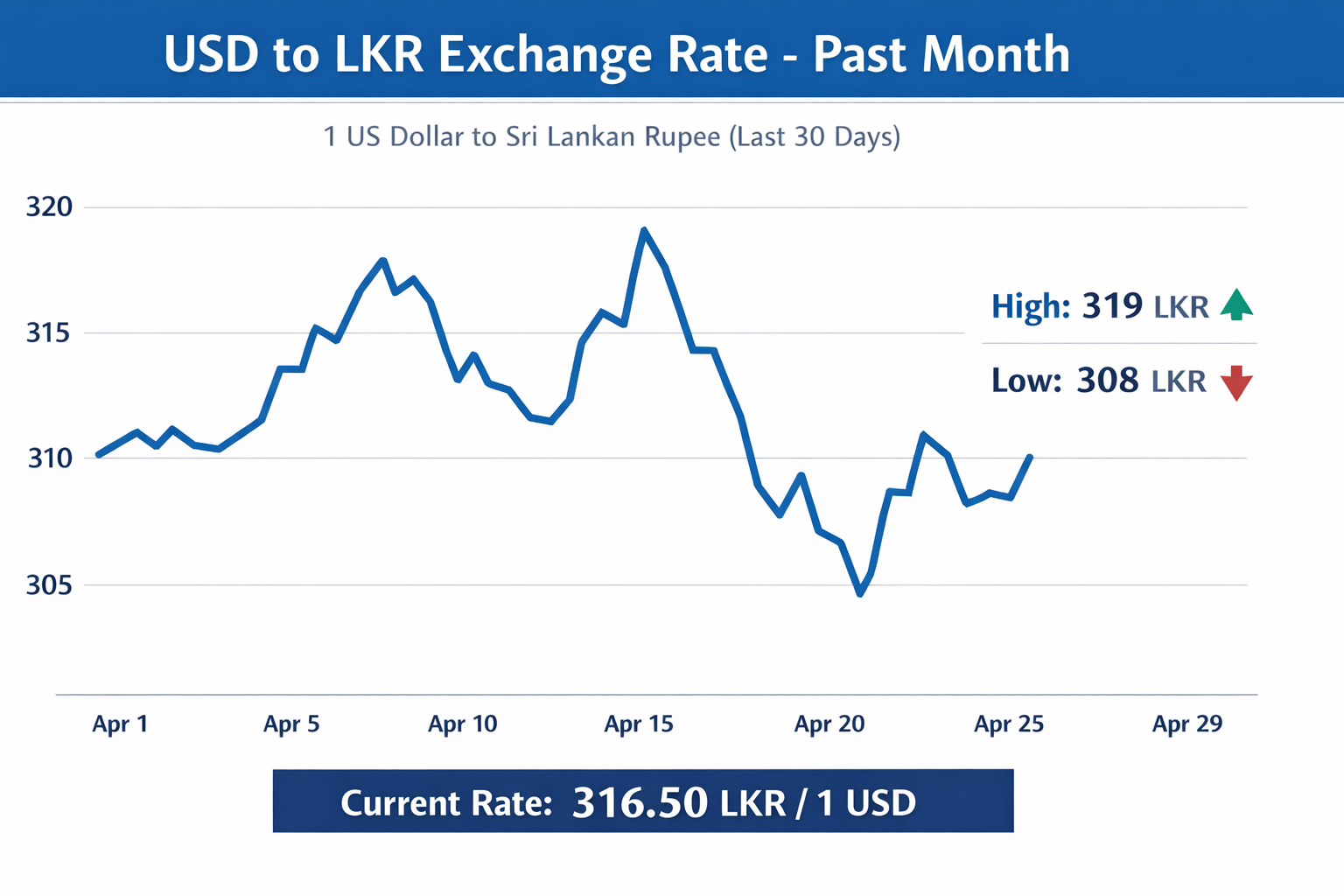
Exchange rates directly influence:
• Cost of imports
• Revenue from exports
• Profit margins
• Investment decisions
• Competitive positioning
A slight change in exchange rates can significantly affect business outcomes, especially for companies dealing in large volumes.
Impact on Export Businesses
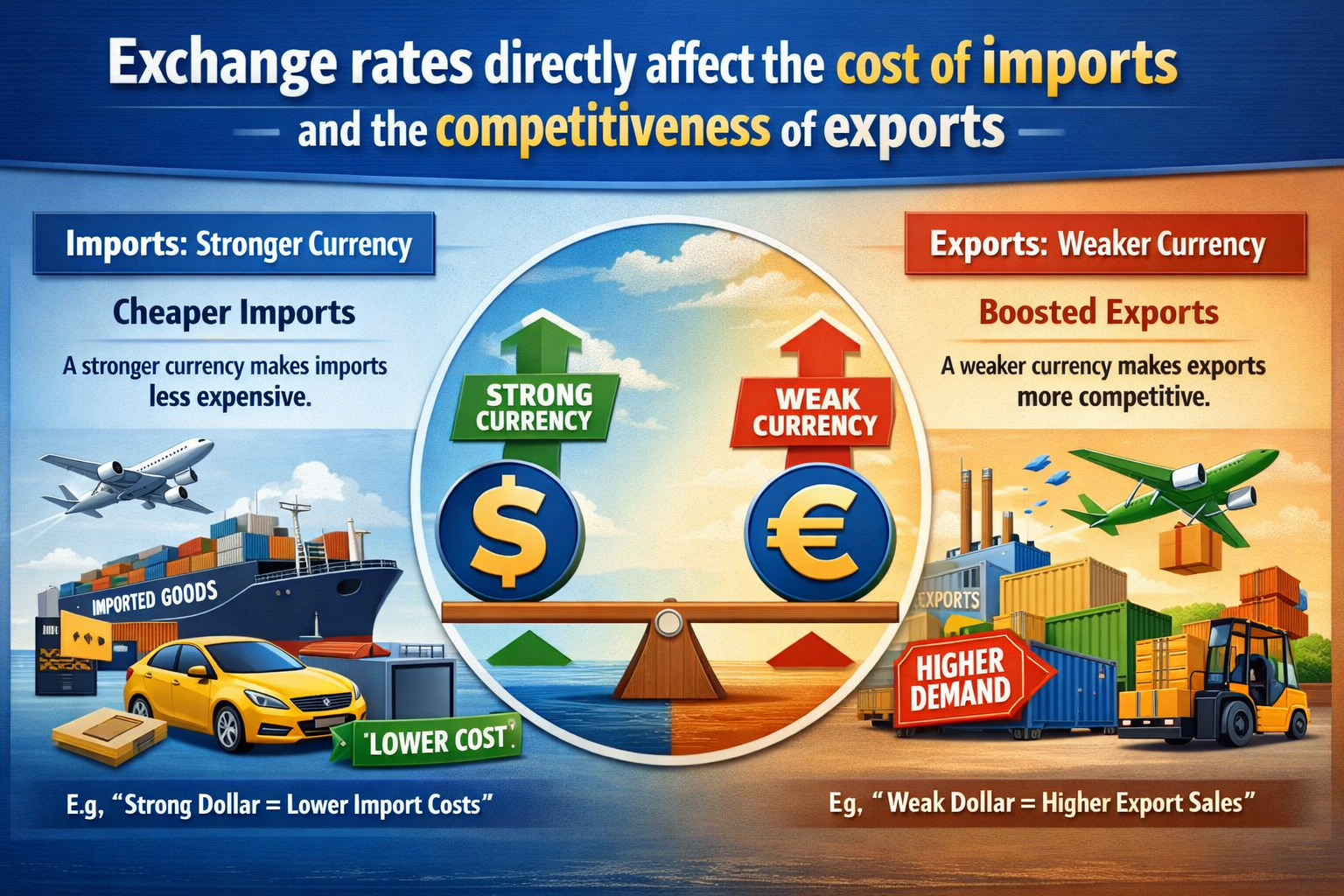
When Domestic Currency Strengthens
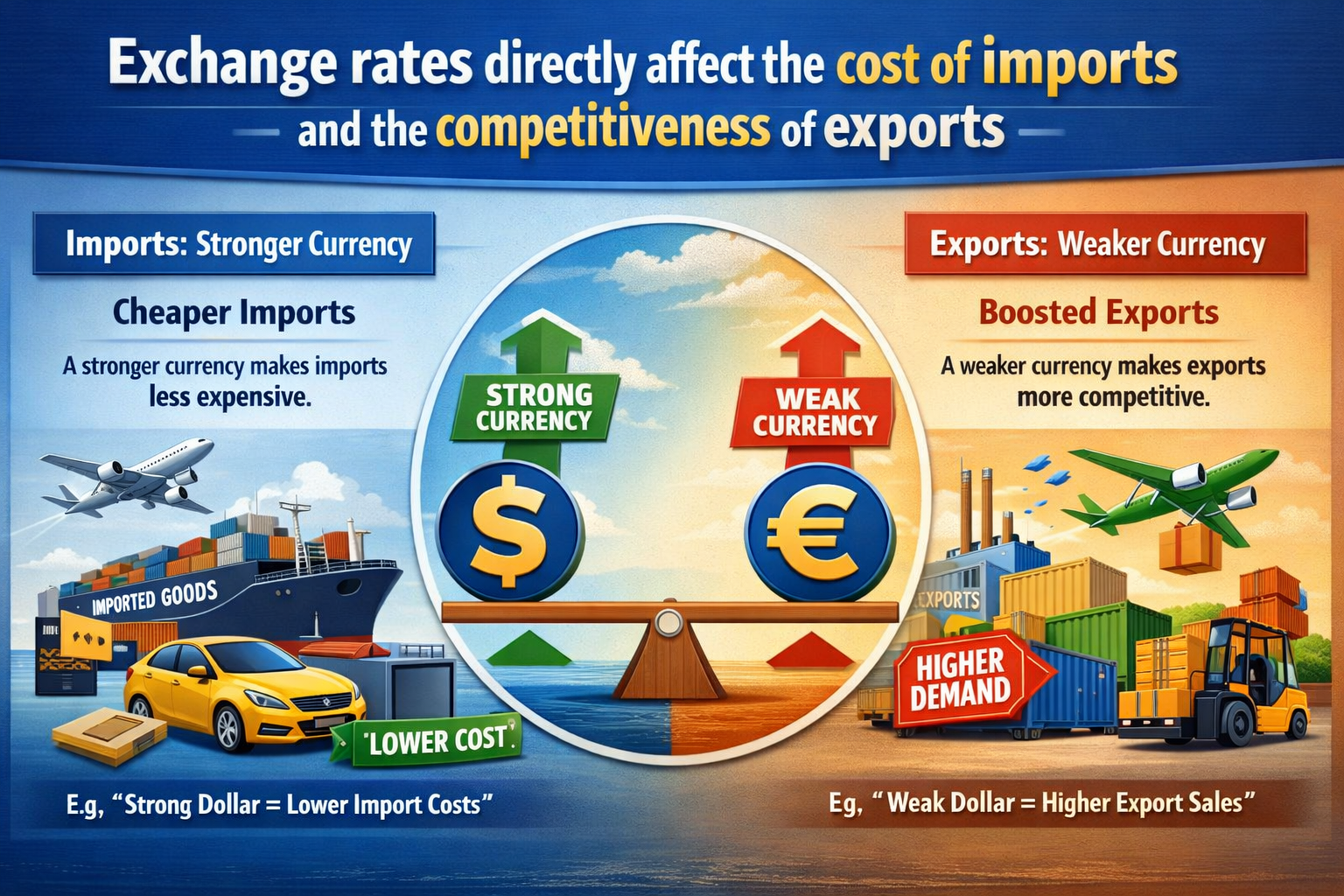
A strong currency makes exports more expensive for foreign buyers. This can reduce demand and lower revenue.
When Domestic Currency Weakens
A weaker currency makes exports cheaper and more attractive internationally, increasing demand and boosting profits.
Example:
Sri Lankan tea exporters often benefit when the rupee weakens, as their products become more competitive globally.
Impact on Import Businesses
Strong Domestic Currency
Imports become cheaper, reducing operational costs and increasing profit margins.
Weak Domestic Currency
Imports become expensive, leading to higher costs and increased prices for consumers.
Example:
Industries relying on imported fuel, machinery, or raw materials face higher expenses when the local currency weakens.
Impact on Profit Margins
Exchange rate fluctuations can significantly affect profits.
Scenario:
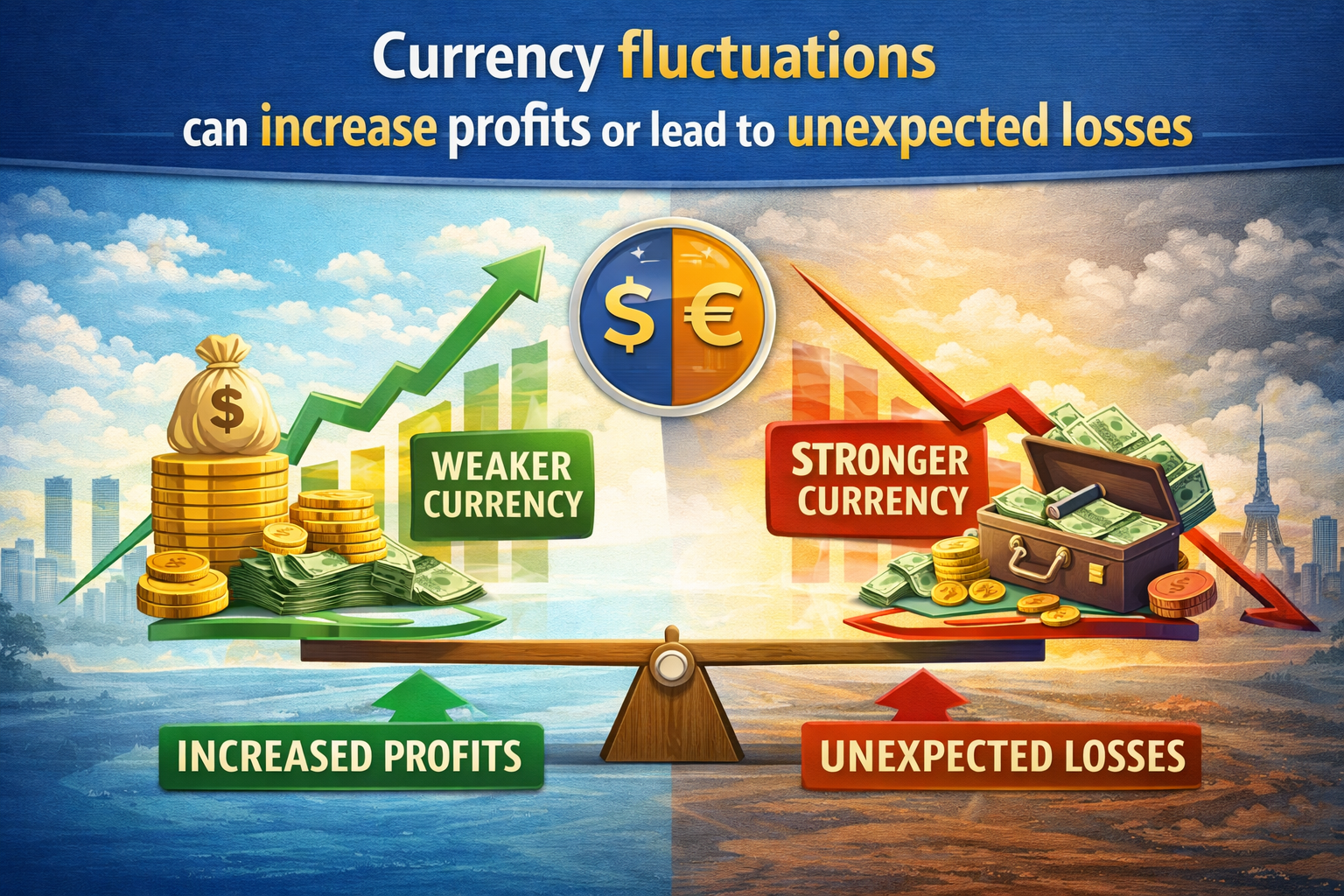
A company signs a contract in a foreign currency but receives payment later. If exchange rates change during that period, profits may increase or decrease unexpectedly.
This uncertainty is known as exchange rate risk.
Exchange Rate Risk in International Business
Types of Risks
Transaction Risk
Occurs during actual currency exchanges in business transactions.
Translation Risk
Affects financial reporting when converting foreign assets into local currency.
Economic Risk
Long-term impact on a company’s market value due to currency changes.
Impact on Pricing Strategies
Businesses must carefully decide how to price their products internationally.
Key Challenges:
• Choosing the right currency
• Managing frequent fluctuations
• Staying competitive in global markets
Effective Strategies:
• Pricing in stable currencies
• Adding buffer margins
• Adjusting prices periodically
Impact on Global Supply Chains
Global supply chains involve multiple countries and currencies.
Effects of Exchange Rate Changes:
• Fluctuating raw material costs
• Unstable supplier agreements
• Changing logistics expenses
Businesses must manage these complexities to maintain efficiency and profitability.
Impact on Foreign Investment
Exchange rates influence investment decisions significantly.
Strong Currency:
• Easier to invest abroad
• Foreign assets become cheaper
Weak Currency:
• Attracts foreign investors
• Domestic businesses become appealing acquisition targets
Impact on Tourism and Service Industries
Exchange rates also affect service-based industries.
Weak Currency:
• Attracts more international tourists
• Boosts hospitality and travel sectors
Strong Currency:
• Reduces tourist inflow
• Impacts revenue negatively
Relationship between Exchange Rates and Inflation
A weak currency often leads to higher import costs, causing inflation. On the other hand, a strong currency can help control inflation by reducing import prices.
This relationship directly affects:
• Business costs
• Consumer spending
• Overall economic stability
Hedging Strategies to Manage Currency Risk
Businesses use various financial tools to minimize risks.
Common Methods:
• Forward Contracts: Lock exchange rates for future transactions
• Futures Contracts: Standardized agreements traded in markets
• Options: Provide flexibility in currency exchange
• Natural Hedging: Matching revenues and expenses in the same currency
Role of Central Banks
Central banks influence exchange rates through:
• Interest rate adjustments
• Monetary policies
• Buying and selling foreign currency
These actions impact the business environment significantly.
Small Businesses vs Large Corporations
Small Businesses:
• More vulnerable to currency fluctuations
• Limited financial resources
• Higher risk exposure
Large Corporations:
• Better risk management systems
• Access to hedging tools
• Diversified global presence
Digital Economy and Exchange Rates

With the rise of e-commerce:
• Businesses sell internationally through online platforms
• Payments occur in multiple currencies
• Exchange rates directly affect pricing and profits
Technology and Currency Management
Modern technology helps businesses manage exchange rate risks:
• Real-time monitoring tools
• Automated currency conversions
• Financial analytics software
Real-Life Example: Small Business Perspective
Consider a small business in Sri Lanka selling handmade products internationally.
• Costs are in local currency
• Sales are in foreign currency
If the foreign currency strengthens, profits increase. If it weakens, profits decrease. This highlights the importance of understanding exchange rates even for small entrepreneurs.
Strategic Decision-Making
Exchange rates must be considered in:
• Budget planning
• Market expansion
• Pricing strategies
• Risk management
Ignoring exchange rate impacts can lead to financial losses.
Opportunities Created by Exchange Rate Fluctuations
Despite risks, exchange rate changes offer opportunities:
• Expanding into new markets
• Gaining competitive pricing advantages
• Increasing exports during favourable conditions
Challenges Faced by Businesses
• Unpredictability
• Complex financial planning
• Increased operational risks
• Need for expert knowledge
Government Policies and Trade Agreements
Government actions influence exchange rates through:
• Trade agreements
• Tariffs
• Currency controls
These factors affect international business dynamics.
Future Trends in Currency Exchange
• Growth of digital currencies
• Influence of cryptocurrencies
• Use of AI for exchange rate predictions
Practical Tips for Businesses
• Monitor exchange rates regularly
• Diversify international markets
• Use hedging strategies
• Seek expert financial advice
• Prepare for market uncertainties
Advanced Insights: Deeper Implications of Exchange Rates in Global Business
Psychological and Behavioural Impact on Business Decisions
Beyond numbers and financial models, exchange rates also influence the psychology of business decision-makers. When currencies are highly volatile, uncertainty increases, often causing hesitation in expansion, hiring, or investment.
Business leaders may delay entering new markets or signing long-term contracts due to fear of unfavourable currency shifts. On the other hand, stable exchange rate environments encourage confidence, allowing companies to plan more aggressively and strategically.
This behavioural aspect is often overlooked but plays a critical role in shaping global business activities.
Impact on International Contracts and Negotiations
Exchange rate fluctuations significantly affect how international contracts are structured.
Businesses engaged in cross-border trade must decide:
• Which currency the contract will be based on
• Whether to include exchange rate adjustment clauses
• How to distribute currency risk between parties
For example, exporters often prefer contracts in strong, stable currencies such as the US Dollar or Euro to minimize risk. Meanwhile, importers may negotiate terms that protect them from sudden currency depreciation.
Some contracts include currency fluctuation clauses, allowing price adjustments if exchange rates move beyond a certain threshold. This helps both parties manage uncertainty more effectively.
Currency Exchange Rates and Competitive Strategy
Exchange rates are not just financial variables—they are strategic tools.
A company operating in a country with a weaker currency can gain a competitive advantage by offering lower prices in international markets. This is particularly beneficial in industries like manufacturing, agriculture, and outsourcing.
Conversely, businesses in countries with strong currencies may focus on:
• Premium branding
• Quality differentiation
• Innovation-driven strategies
This shows how exchange rates shape not only pricing but also the overall business model and positioning in the global marketplace.
Impact on Employment and Labour Costs
Currency movements also influence employment trends, especially in export-driven industries.
When a country’s currency weakens:
• Exports increase
• Production demand rises
• More jobs are created
However, when the currency strengthens:
• Export demand may fall
• Companies may reduce production
• Job losses can occur in affected sectors
Additionally, multinational companies often shift operations to countries with favourable currency conditions to reduce labour costs, impacting global employment patterns.
Influence on Debt and Borrowing
Exchange rates play a critical role in international borrowing.
Companies that take loans in foreign currencies may face serious risks:
• If the local currency weakens, repayment becomes more expensive
• If the local currency strengthens, repayment becomes easier
This is especially important for developing economies, where businesses often borrow in stronger foreign currencies due to lower interest rates.
Poor management of foreign currency debt can lead to significant financial distress, or even bankruptcy, during periods of currency depreciation.
Exchange Rates and Stock Market Performance
Currency fluctuations often influence stock market behaviour, particularly for companies with global exposure.
For example:
• Export-oriented companies may see stock prices rise when the local currency weakens
• Import-dependent companies may experience declining stock values under the same conditions
Investors closely monitor exchange rate trends when making decisions, as currency movements can directly impact corporate earnings.
Role of Speculation in Currency Markets
Currency exchange rates are not influenced solely by economic fundamentals—they are also affected by speculation.
Large financial institutions, hedge funds, and investors trade currencies to profit from fluctuations. These speculative activities can:
• Increase volatility
• Cause rapid and unexpected rate changes
• Impact business planning and stability
For businesses, this adds another layer of uncertainty, making risk management even more essential.
Regional Trade and Currency Influence
Exchange rates have a strong impact on regional trade relationships.
Countries within the same region often experience interconnected currency movements. For example:
• A currency depreciation in one country may make its exports cheaper compared to neighbouring countries
• This can shift trade balances and create competitive pressure within the region
Regional trade agreements may also influence currency stability, helping reduce risks for businesses operating within those zones.
Impact on E-commerce and Freelancing Economy
The growth of digital platforms has expanded international business opportunities, especially for freelancers and small entrepreneurs.
Exchange rates directly affect:
• Earnings from international clients
• Pricing of digital services
• Competitiveness in global marketplaces
For example:
A freelancer earning in US Dollars while living in Sri Lanka may benefit significantly when the dollar strengthens against the local currency.
However, fluctuations can also create income instability, making financial planning more challenging.
Currency Diversification as a Business Strategy
To reduce dependence on a single currency, many businesses adopt currency diversification strategies.
This involves:
• Operating in multiple markets
• Holding reserves in different currencies
• Diversifying revenue streams
By spreading exposure across various currencies, businesses can reduce the impact of unfavourable exchange rate movements.
Sustainability and Long-Term Planning
Incorporating exchange rate considerations into long-term planning is essential for sustainability.
Businesses must:
• Forecast potential currency trends
• Build flexible financial models
• Prepare contingency plans
This forward-thinking approach helps organizations remain resilient in the face of global economic uncertainty.
Ethical and Social Considerations
Exchange rate fluctuations can also have broader social impacts.
For example:
• Currency depreciation may increase the cost of essential imports like food and medicine
• This can affect consumers and create social challenges
Businesses must balance profitability with ethical responsibility, especially when operating in sensitive markets.
Learning from Past Currency Crises
History provides valuable lessons about the impact of exchange rate instability.
Events such as:
• Currency crashes
• Financial crises
• Sudden devaluations
Have shown how quickly businesses can be affected by exchange rate movements.
Companies that survived these crises often had:
• Strong risk management systems
• Diversified operations
• Flexible strategies
Learning from such events helps modern businesses prepare for future uncertainties.
Building Exchange Rate Awareness
One of the most important steps for any business is developing awareness and understanding of currency dynamics.
This includes:
• Training teams on financial fundamentals
• Using reliable data sources
• Consulting financial experts
Awareness empowers businesses to make informed decisions rather than reacting to unexpected changes.
Extended Closing Insight
In a world where economies are deeply interconnected, currency exchange rates act as both a challenge and an opportunity. Businesses that ignore this factor risk financial instability, while those that understand and strategically manage it can unlock significant competitive advantages.
Ultimately, success in international business is not just about offering quality products or services—it is also about navigating the complex financial landscape shaped by exchange rate movements. By combining knowledge, strategy, and adaptability, businesses of all sizes can thrive in the ever-evolving global economy.
Conclusion
Currency exchange rates are a powerful force in international business. They influence everything from pricing and profits to investment decisions and market competitiveness.
Understanding and managing exchange rate fluctuations allows businesses to reduce risks, seize opportunities, and achieve sustainable global growth. In today’s interconnected world, mastering this aspect of finance is essential for success.
Comments (0)
Leave a comment
No comments yet. Be the first to share your thoughts!
About the Author

Rajendran Keerthana
Tell us a little about yourself.