Exploring Sigiriya Travel Season, Survival Tips& Cultural Secrets
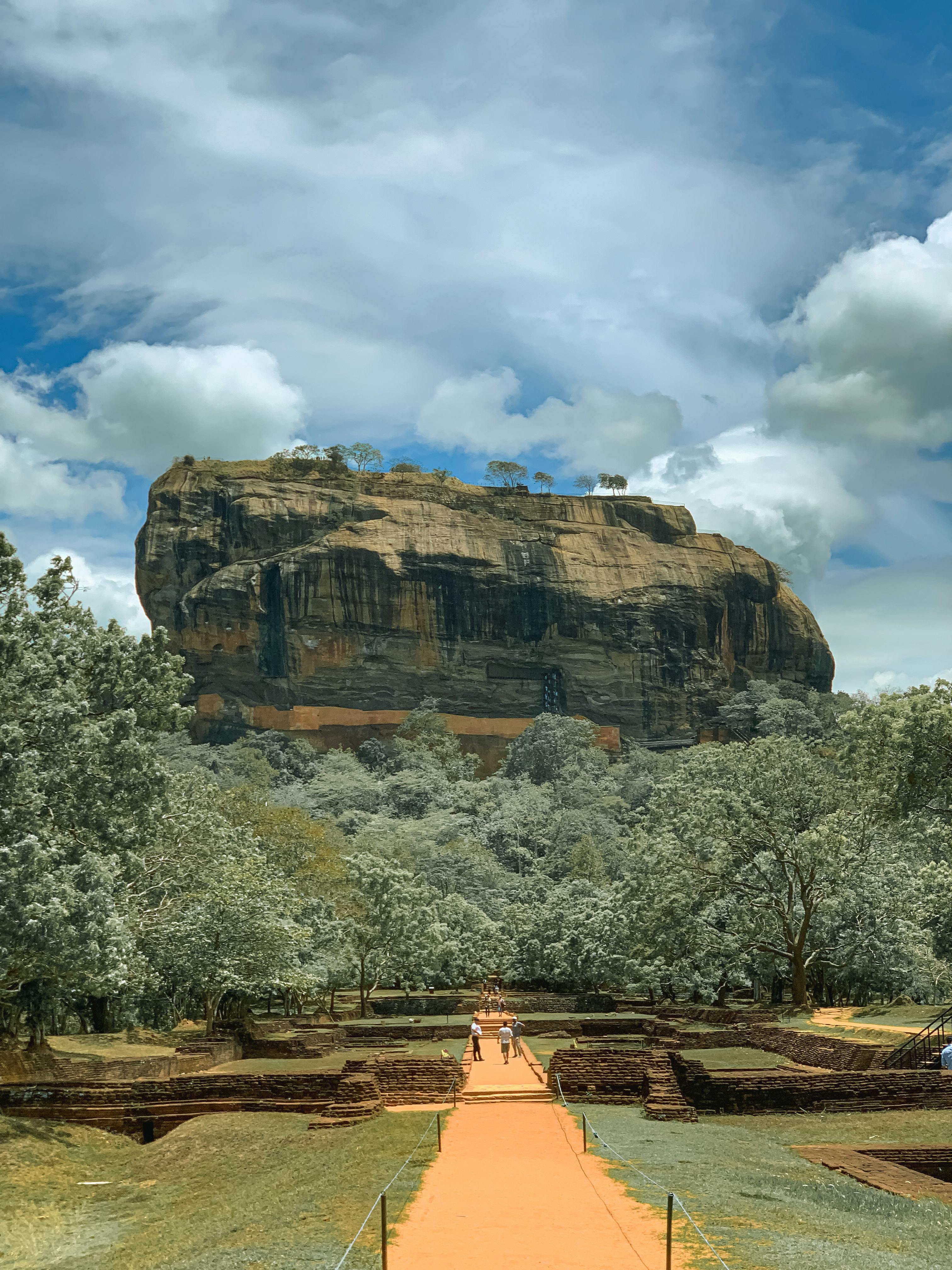
Sigiriya is an ancient rock fortress in central Sri Lanka, built by King Kashyapa in the 5th century. Rising nearly 200 meters above the surrounding plains, it features impressive frescoes, landscaped gardens, water systems, and the famous Lion Gate. Today, Sigiriya is a UNESCO World Heritage Site and one of Sri Lanka’s most visited landmarks, admired for its engineering, artistic heritage, and panoramic summit views. It reflects the island’s rich history, advanced urban planning, and enduring cultural significance.
Exploring Ancient Sigiriya: History, Best Travel Season, Tropical Weather Survival Tips & Cultural Secrets
The Lion Rock That Captivates the World
Rising dramatically from the emerald plains of central Sri Lanka, Sigiriya is not merely a rock fortress, it is a masterpiece of engineering, a royal citadel carved into stone, an ancient urban design experiment, and one of the most visually astonishing heritage sites on Earth.
From afar, the monolithic column appears almost unreal. Up close, it reveals gardens older than many modern cities, frescoes painted over 1,500 years ago, and stairways that climb through the jaws of a giant lion.
Travelers often arrive expecting a short historical stop.
They leave feeling they’ve walked through an ancient dream.
This guide will take you deep into Sigiriya’s:
Fascinating royal history
Archaeological brilliance
Best seasons to visit
Real tropical climate survival tips
Hidden cultural meanings most tourists miss
Practical travel strategies for a perfect experience
Let’s step into one of Asia’s greatest ancient wonders.
The Epic History of Sigiriya
The Rise of King Kashyapa’s Sky Palace
Sigiriya’s most famous chapter begins in the 5th century CE under King Kashyapa I.
According to historical chronicles, Kashyapa seized the throne after overthrowing his father and feared retaliation from his rightful heir brother.
Instead of ruling from the traditional capital, he chose something radical.
He built a palace in the sky.
Sigiriya’s summit became:
A royal residence
A military fortress
A pleasure palace
A symbol of absolute power
The location was strategic.
The 200-meter rock provided:
Natural defense
Massive visibility across plains
Psychological intimidation
It wasn’t just protection.
It was a declaration:
The king lived above the world.
The Engineering Marvel of the Ancient City
Sigiriya was not just a rock fortress.
It was a fully planned city.
Archaeologists discovered:
Advanced hydraulic water gardens
Underground drainage systems
Symmetrical landscape design
Urban zoning patterns
Some water fountains at Sigiriya still function during rainy seasons powered purely by ancient pressure engineering.
This suggests astonishing technical sophistication for the 5th century.
Many historians consider Sigiriya one of the earliest examples of landscape urban planning in Asia.
After the Fall of the Palace
After Kashyapa’s death in battle, the palace was abandoned as a royal residence.
Sigiriya later transformed into:
A Buddhist monastery
A meditation retreat
A pilgrimage site
Monks occupied caves and structures around the rock for centuries.
This spiritual chapter shaped many of the cultural elements visitors still see today.
Architectural Wonders That Make Sigiriya Unique
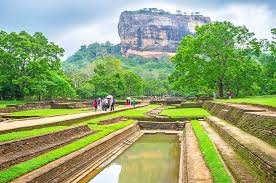
The Water Gardens — Ancient Luxury Meets Science
At the entrance, visitors encounter geometrically perfect water gardens.
These gardens include:
Reflective pools
Symmetrical pathways
Artificial islands
Stone fountains
They were designed not only for beauty but for climate cooling.
Water bodies reduced temperature around the palace.
Even today, walking through the gardens feels noticeably cooler than surrounding areas.
Ancient climate engineering was already in action.
The Sigiriya Frescoes — The Heavenly Maidens
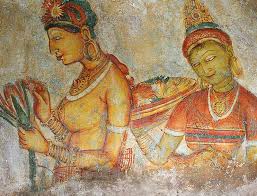
Halfway up the rock lie the world-famous frescoes.
These paintings depict celestial women often called “Sigiriya Maidens.”
What makes them extraordinary:
Painted using natural mineral pigments
Survived over 1,500 years
Show advanced shading techniques
Demonstrate incredible anatomical precision
Art historians compare their quality to classical fresco traditions of ancient civilizations.
Their identity remains debated:
Royal concubines?
Celestial nymphs?
Symbolic fertility figures?
No definitive answer exists — adding to their mystique.
The Mirror Wall — The World’s Oldest Tourist Guestbook
One of Sigiriya’s most fascinating features is the polished “Mirror Wall.”
Originally so smooth it reflected the king’s image.
Later, visitors began writing poetry on it.
These ancient graffiti date back over 1,000 years.
They describe:
Admiration for frescoes
Romantic poetry
Visitor impressions
It’s essentially the oldest preserved travel review wall in the world.
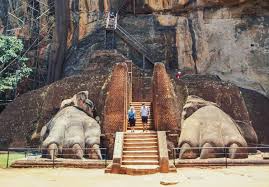
The Lion Gate — Symbol of Royal Power
Near the summit stands the massive Lion Gate.
Originally, visitors entered through a giant lion structure.
Today only the enormous stone paws remain.
But imagine the original:
A colossal lion with stairs rising through its mouth.
This was psychological architecture.
To reach the king, you walked through the lion itself.
Best Time to Visit Sigiriya
Sri Lanka has a tropical climate with monsoon variations.
Understanding seasons is essential.
Best Overall Months
January – March
Ideal conditions:
Clear skies
Lower humidity
Moderate temperatures
Best photography visibility
This is peak tourist season for good reason.
Shoulder Season Advantage
July – September
Benefits:
Fewer crowds
Still manageable weather
Lush green landscapes
Great for travelers wanting quieter experiences.
Months to Approach Carefully
October – November
These months often bring:
Heavy rain
Slippery rock steps
Cloud-covered summit views
Travel still possible — but preparation is critical.
Tropical Weather Survival Tips (Essential for Visitors)
Sigiriya’s beauty comes with intense tropical conditions.
Ignoring this can ruin your visit.
Start Early — Extremely Early
Best climbing time:
5:30 AM – 7:30 AM
Why?
After 9 AM:
Heat rises sharply
Stone surfaces radiate heat
Tourist crowds surge
Early start = safer + more enjoyable.
Hydration Strategy
Bring:
Minimum 1.5 liters of water per person
Electrolyte drinks if possible
Tropical humidity causes faster dehydration than dry climates.
Many visitors underestimate this.
Wear Proper Footwear
Never climb Sigiriya in:
Flip-flops
Sandals
Smooth-sole shoes
Use:
Grip sneakers
Hiking shoes
Metal staircases can become slippery.
Sun Protection Is Non-Negotiable
Use:
SPF 50 sunscreen
Hat
UV sunglasses
Lightweight breathable clothing
The exposed rock offers very little shade.
Cultural Secrets Most Tourists Never Learn
Sigiriya Was Also a Sacred Meditation Landscape
Many caves around the base contain ancient monk inscriptions.
Sigiriya was not just royal.
It was spiritual.
The surrounding forest still hosts meditation retreats.
The Gardens Represent Cosmic Symbolism
Some historians believe the layout represents:
Royal authority over nature
Sacred cosmological geometry
Symbolic paradise imagery
The city design may reflect ancient Buddhist cosmology.
Why Locals Respect the Site Deeply
For Sri Lankans, Sigiriya is not only a tourist attraction.
It represents:
National identity
Ancient technological achievement
Cultural resilience
Visitors are encouraged to behave respectfully — not just as tourists, but as guests of heritage.
How to Experience Sigiriya Like a Pro Traveler
Combine Sigiriya With Nearby Sites
Most experienced travelers also visit:
Pidurangala Rock — best sunrise view of Sigiriya
Dambulla Cave Temple — ancient cave murals
This creates a powerful historical circuit.
Photography Tips
Best summit lighting:
Sunrise = soft golden mist
Sunset = dramatic shadow contrast
Midday photos often appear flat due to harsh vertical sunlight.
Avoid the Midday Tourist Wave
Tour buses typically arrive between:
9:30 AM – 12:30 PM
Plan outside this window.
Wildlife, Nature, and Surroundings
Sigiriya isn’t just archaeology.
It’s ecological.
You may encounter:
Wild monkeys
Peacocks
Monitor lizards
Exotic butterflies
The surrounding jungle ecosystem adds to the sense of ancient isolation.
Why Sigiriya Is Still One of the World’s Most Extraordinary Ancient Sites
Sigiriya stands apart because it combines:
Military fortress
Royal palace
Sacred monastery
Urban garden city
Artistic masterpiece
Few places on Earth merge so many roles into one monument.
It is architecture, politics, art, religion, and nature fused together.
More Than a Destination, A Journey Into Human Imagination
Sigiriya is not simply a place you visit.
It’s a place you experience physically, emotionally, and historically.
You climb through:
Ancient royal ambition
Ingenious engineering
Sacred spiritual landscapes
Artistic brilliance
Tropical wilderness
And when you finally reach the summit and look across Sri Lanka’s endless green plains, you understand something profound:
Human civilization has always dreamed of touching the sky.
Sigiriya is that dream carved into stone.
The Untold Legends and Myths of Sigiriya
Beyond recorded history, Sigiriya lives inside Sri Lankan folklore.
Local legends say the rock was once chosen not only for military reasons, but for mystical energy. Some villagers still believe the area surrounding Sigiriya holds unusual natural vibrations, and ancient monks selected the location for deep meditation practices because of its powerful silence.
Another popular myth claims hidden underground tunnels once connected Sigiriya to surrounding cities. While archaeologists have found drainage systems and chambers, the full underground network remains unexplored fueling endless mystery.
Stories like these transform Sigiriya from a historical monument into a living cultural legend.
The Archaeological Discoveries Still Happening Today
Many visitors assume Sigiriya has been fully explored.
It hasn’t.
Archaeologists continue to uncover:
Previously hidden monk caves
Ancient inscriptions
Garden irrigation channels
Stone foundations of lost structures
Modern scanning technology suggests entire sections of the ancient city may still lie buried beneath jungle soil.
Sigiriya is not just ancient history.
It is an active archaeological puzzle still unfolding.
The Complete Step-By-Step Climbing Experience
Understanding the climb prepares you mentally and physically.
Stage 1 — The Garden Walk
The journey begins through symmetrical royal gardens. The walk feels peaceful, almost deceptively easy.
Many travelers underestimate the climb here.
Don’t.
Stage 2 — Boulder Gardens
Soon you enter giant natural rock formations.
These boulders once formed:
Defensive corridors
Meditation caves
Guard checkpoints
This area shows how natural geology was integrated into city planning.
Stage 3 — Spiral Staircase to the Frescoes
A narrow metal spiral staircase leads to the famous frescoes.
This is where many visitors feel their first adrenaline rush.
The height suddenly becomes real.
Stage 4 — Mirror Wall Passage
A narrow cliff-side walkway hugs the rock face.
To your right: solid stone.
To your left: open sky.
This section delivers the most dramatic views before the summit.
Stage 5 — The Lion Platform
Here stand the enormous lion paws.
Take a break.
From this point onward, the final climb becomes steep.
Stage 6 — The Final Staircase
The final metal staircase rises almost vertically.
Wind often increases here.
But when you reach the summit…
Everything becomes silent.
What Exists on the Summit (Most Visitors Don’t Expect This)
Many assume the summit contains only ruins.
In reality, it holds:
Foundations of the royal palace
Ancient throne platform
Water reservoirs carved into rock
Defensive walls
Observation points
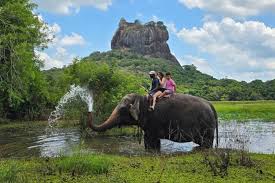
The summit is huge much larger than photographs suggest.
Walking across it feels like exploring a lost sky-city.
Real Tropical Packing List for Sigiriya
Forget generic travel lists.
Here’s what actually matters.
Essential Items
2 liters of water per person
Electrolyte sachets
breathable quick-dry clothing
anti-slip shoes
sunscreen SPF 50+
insect repellent
Smart Extras Most Tourists Forget
cooling neck towel
portable mini fan
backup phone battery
small salt snacks (prevent dehydration cramps)
These small items can completely change your experience.
Local Cultural Etiquette Every Visitor Should Know
Sri Lanka’s heritage sites carry deep spiritual meaning.
When visiting Sigiriya:
Avoid shouting loudly near fresco areas
Do not touch ancient paintings or walls
Avoid climbing on ruins for photos
Dress modestly (shoulders and knees recommended covered)
Respect transforms your visit from tourism into cultural appreciation.
Food Experiences Around Sigiriya You Shouldn’t Miss
Travel isn’t complete without local cuisine.
Near Sigiriya, try:
Traditional Rice & Curry
Served with:
lentil dhal
coconut sambol
vegetable curries
papadam
Often cooked in clay pots over firewood.
Fresh King Coconut
Sold roadside.
Natural electrolyte drink.
Perfect after climbing.
Village Cooking Tours
Many rural homes offer authentic cooking experiences where visitors learn traditional Sri Lankan spice techniques.
This often becomes one of the most memorable parts of the trip.
Hidden Nearby Experiences Most Tourists Skip
If you only climb Sigiriya, you miss half the adventure.
Sunrise at Pidurangala Rock
Locals often say this offers the best view of Sigiriya itself.
The sunrise view with mist around the Lion Rock is unforgettable.
Explore Dambulla Cave Temple
Just a short drive away.
Inside:
hundreds of Buddha statues
ancient painted cave ceilings
sacred pilgrimage atmosphere
It complements Sigiriya’s royal story with spiritual depth.
Safety Mistakes Tourists Commonly Make
Avoid these:
❌ Starting climb at noon
❌ Carrying too little water
❌ Wearing sandals
❌ Ignoring heat exhaustion signs
❌ Feeding monkeys
The monkeys are cute but extremely opportunistic.
They will steal food instantly.
The Future of Sigiriya Tourism
Tourism experts predict Sigiriya will increasingly adopt:
Digital visitor management systems
AI crowd monitoring
Augmented reality historical tours
Conservation-focused entry limits
The goal is balancing global tourism with heritage preservation.
Future visitors may experience Sigiriya through immersive historical simulations showing the palace as it once stood.
Final Closing Section You Can Add to Your Article
Sigiriya is not just a destination.
It is a layered human story carved into stone:
A king’s ambition.
A monk’s meditation.
An artist’s masterpiece.
A civilization’s engineering genius.
And today, it becomes the traveler’s unforgettable memory.
Some places you photograph.
Sigiriya is a place that stays inside you long after you leave.
Comments (0)
Leave a comment
No comments yet. Be the first to share your thoughts!
About the Author

Tell us a little about yourself.