Society
Deepavali: Meaning, Traditions, Oil Lamps and Science Today
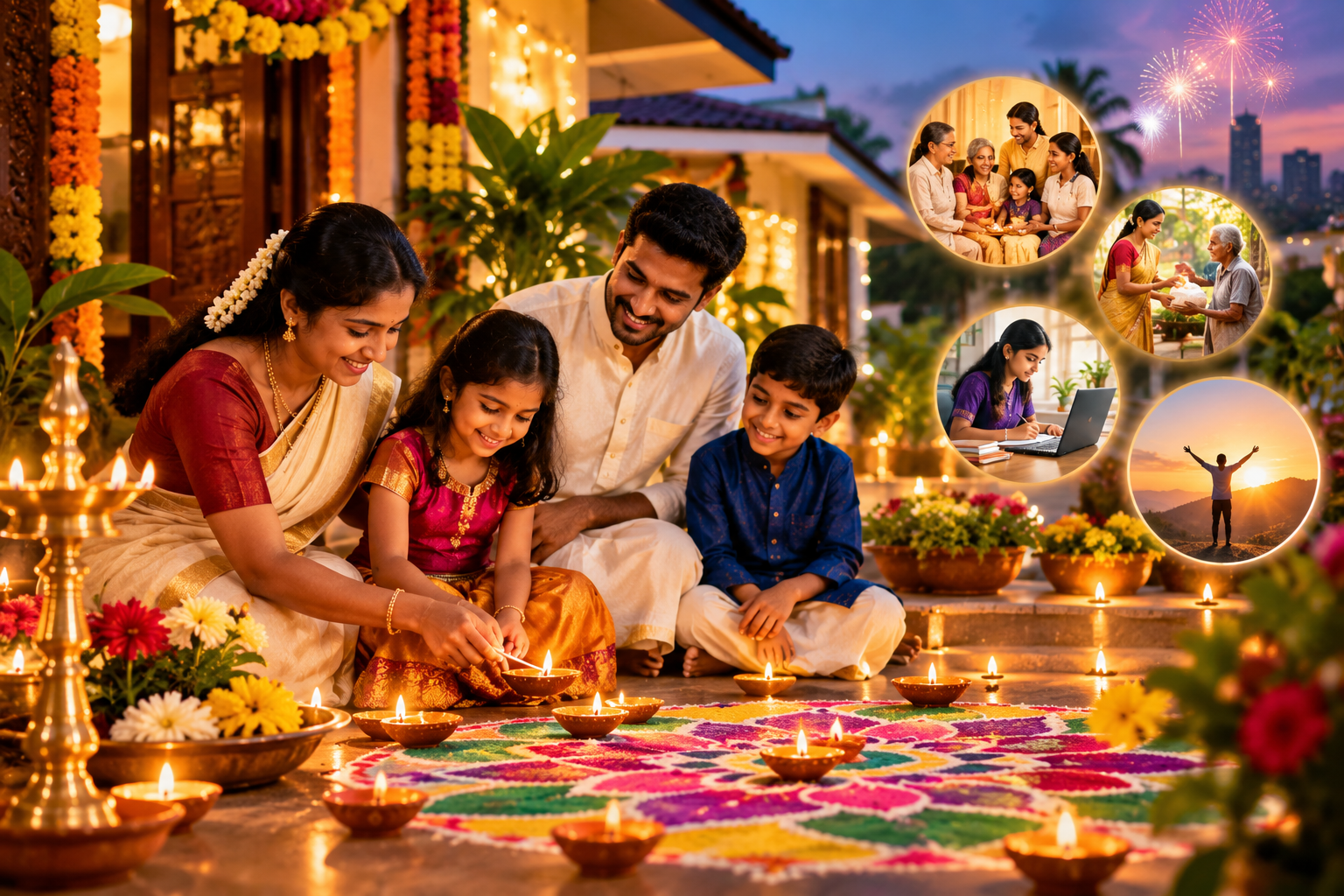
Deepavali, the Festival of Lights, celebrates the victory of good over evil, light over darkness, and knowledge over ignorance. Its traditions include lighting oil lamps, offering prayers, cleaning homes, wearing new clothes, preparing festive food, and sharing happiness with loved ones. Scientifically, oil lamps produce light through combustion, while meaningful rituals can encourage reflection, gratitude, and social connection. However, lamps do not automatically purify air, and fireworks can cause pollution and health risks. Celebrating responsibly preserves Deepavali’s beauty, cultural heritage, and message of hope.
Share
Deepavali: Meaning, Traditions, Oil Lamps and Science Today
Introduction: A Festival That Brings Light into Our Lives
Among the many beautiful festivals celebrated around the world, Deepavali holds a special place in the hearts of millions of people. Known as the Festival of Lights, Deepavali is a celebration filled with faith, happiness, family gatherings, traditional food, colourful decorations, prayers and the warm glow of oil lamps. For Hindus, it is much more than a festival marked on a calendar. It represents hope, new beginnings, spiritual growth and the victory of good over evil.
The word Deepavali comes from Sanskrit and is commonly understood as a row or series of lamps. The small flames that illuminate homes and temples have become powerful symbols of knowledge, goodness and hope. During this special occasion, people clean their homes, prepare traditional sweets, and wear new clothes, visit temples, offer prayers and share happiness with loved ones.
Although the festival is celebrated in different ways across India, Sri Lanka and other parts of the world, its central message remains meaningful: darkness does not have to be permanent, and goodness can overcome even the most difficult challenges.
But have we ever stopped to think about why Deepavali is celebrated? Why do people light oil lamps? What do the traditional rituals mean? And are there scientific explanations behind some of these practices?
Understanding Deepavali through its religious, cultural, emotional and scientific dimensions helps us appreciate the festival more deeply.
1. The Main Reasons behind Celebrating Deepavali
Deepavali has several religious and cultural origins. Different Hindu communities associate the festival with different stories, deities and spiritual traditions. Therefore, there is not just one explanation for why everyone celebrates it.
The victory of good over evil
One of the most widely recognised meanings of Deepavali is the victory of good over evil. Hindu traditions include several stories that express this message.
In many parts of India, Deepavali is associated with the return of Lord Rama to Ayodhya after defeating Ravana and completing his period of exile. According to the traditional story, the people of Ayodhya welcomed Rama, Sita and Lakshmana by lighting rows of lamps. The illuminated city represented their happiness and the return of righteousness.
In other traditions, particularly in parts of southern India, Deepavali is associated with the defeat of Narakasura by Lord Krishna, sometimes with the participation of Satyabhama.
Although these stories differ, they communicate a similar lesson: arrogance, cruelty and injustice cannot be celebrated as lasting victories. Courage, truth and righteousness remain important values.
This message continues to inspire people today. In our personal lives, the struggle between good and evil may not appear as a battle between kings or powerful beings. It may appear in the form of a choice between honesty and dishonesty, kindness and cruelty, or forgiveness and revenge.
Deepavali reminds us that the choices we make matter.
The victory of light over darkness
Light is one of the strongest symbols associated with Deepavali. Darkness is often used to represent fear, uncertainty, ignorance and despair, while light represents understanding, hope, wisdom and clarity.
When families place oil lamps around their homes, the purpose is not simply to make their surroundings beautiful. The lamps also express a spiritual aspiration: may our lives be guided by wisdom rather than ignorance, compassion rather than hatred, and hope rather than fear.
This symbolism remains relevant regardless of a person’s circumstances. Someone who has experienced disappointment may see the festival as a reminder to begin again. Someone facing uncertainty may find comfort in the idea that even a small light can make darkness less overwhelming.
The lesson is simple but powerful. We may not be able to change every difficult situation immediately, but we can choose how we respond to it.
Welcoming prosperity and good fortune
Deepavali is also associated with prosperity, abundance and new beginnings. In many communities, people worship Goddess Lakshmi, who is associated with wealth, prosperity and good fortune. Lord Ganesha is also worshipped in some traditions for wisdom and the removal of obstacles.
People clean and decorate their homes, arrange lamps, prepare special meals and make offerings as expressions of devotion and as ways of welcoming auspicious beginnings.
However, prosperity can mean more than money or material possessions. A peaceful home, good health, supportive relationships, meaningful work and a generous heart are also forms of wealth.
The festival encourages people to reflect on what they truly value and how they can build a life filled with gratitude and purpose.
2. Why Is Deepavali Known as the Festival of Lights?
The name Deepavali itself explains the central role of light in the celebration. Across streets, homes, courtyards and places of worship, lamps create an atmosphere of warmth and celebration.
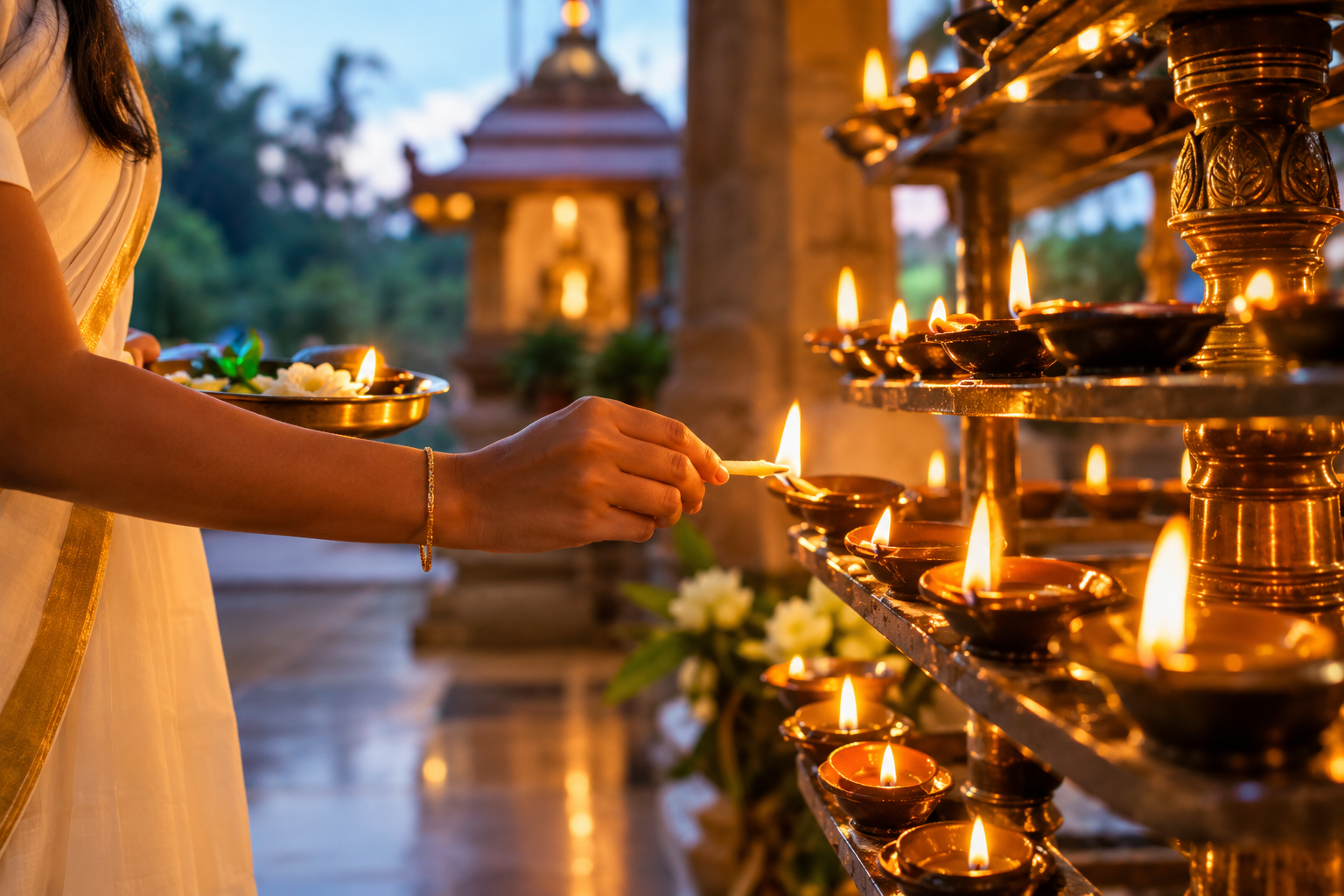
Traditional clay lamps, commonly called diyas, are filled with oil and fitted with cotton wicks. When the wick is lit, the flame produces a gentle glow that transforms even an ordinary space into something special.
For many families, lighting lamps is one of the most meaningful moments of the festival. Parents teach children how to arrange them safely, elders share traditional stories, and family members gather to enjoy the beauty of the illuminated home.
There is also an emotional dimension to this practice. A lamp can remind someone of a loved one, a childhood memory or a religious experience that has remained important throughout life.
The beauty of Deepavali does not depend on how many lamps a family can afford. A single lamp lit with sincere devotion can carry as much personal meaning as an elaborate display.
In this way, the festival teaches that the value of light is not measured by its size but by what it represents.
3. The Ritual of Lighting Oil Lamps
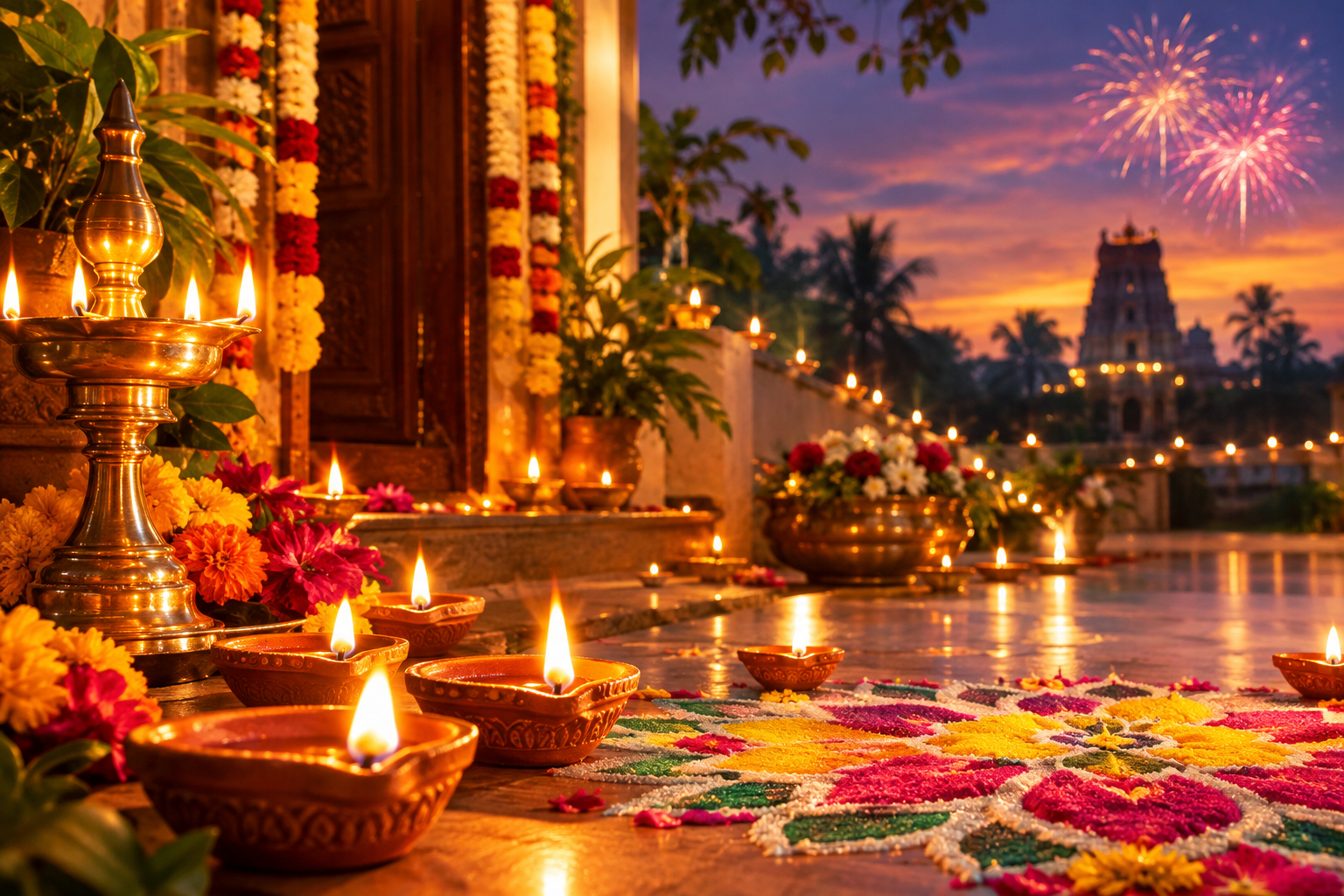
Lighting oil lamps is among the most recognisable Deepavali traditions. The ritual carries religious symbolism, family significance and practical elements that have been passed down through generations.
Cleaning and preparing the home
Before the festival, families traditionally clean their houses, organise their belongings and prepare spaces for prayers and celebrations.
On a practical level, cleaning makes the home more comfortable and welcoming. Culturally, it can symbolise removing unwanted influences and preparing for a fresh beginning.
This tradition also offers an opportunity for families to work together. Children can help arrange decorations, adults can prepare the prayer area, and everyone can contribute to making the home ready for the occasion.
Preparing the lamps
Traditional clay lamps are often washed, dried and filled with suitable oil. A cotton wick is placed inside each lamp, leaving enough of it above the oil to be lit.
Families may use different oils according to local custom and personal preference. The lamps are then arranged near entrances, windows, courtyards or prayer spaces.
The preparation itself can become a meaningful family activity, connecting younger generations with the practices of their elders.
Offering prayers and lighting the flames
Many Hindu families begin their celebrations with prayers and offerings to their chosen deities. Lamps may be lit during worship, with prayers for peace, protection, wisdom and prosperity.
The flame is often understood as an offering of devotion. It can also represent the desire to remove ignorance from the mind and develop a clearer understanding of life.
As the lamps glow, families may experience a sense of calm and togetherness. This feeling is not necessarily limited to religious belief. The shared activity of preparing a home, gathering with loved ones and observing a meaningful tradition can itself strengthen emotional bonds.
Decorating the entrance
Lamps are commonly placed near entrances to welcome guests and symbolise auspiciousness. In some communities, colourful kolam or rangoli designs are drawn using rice flour, coloured powders or other materials.
These designs can represent beauty, hospitality and the wish for good fortune. Their patterns differ according to region and family tradition.
Together, the lamps and decorations create a welcoming environment that expresses the festival’s central message of hope and positivity.
4. The Scientific Explanation behind Lighting Oil Lamps
Religious traditions and scientific explanations approach the world in different ways, but both can help us understand aspects of a familiar practice.
It is important to distinguish between the symbolic meaning of a ritual and the physical processes involved in it. Science can explain how an oil lamp burns and how light affects our perception, but it cannot establish that lighting a lamp guarantees divine blessings or removes negative spiritual energy.
How does an oil lamp produce light?
An oil lamp works through combustion, a chemical reaction between a fuel and oxygen that releases energy.
When a wick is lit, the heat draws oil through the wick by capillary action. The oil near the flame becomes hot, vaporises and reacts with oxygen in the surrounding air. This process produces heat and visible light.
The flame continues burning as long as there is enough fuel, oxygen and heat to sustain the reaction.
The warm glow comes from the hot gases and tiny particles in the flame, with the exact appearance depending on the fuel, temperature and combustion conditions.
This simple process demonstrates an important scientific principle: energy can be transformed from the chemical energy stored in fuel into heat and light.
Why does light help us see more clearly?
Human vision depends on light. Objects become visible when light reaches them and is reflected into our eyes.
In a dark room, there is little visible light available to illuminate objects. When a lamp is lit, its light reaches nearby surfaces and allows our eyes to distinguish shapes, colours and details.
This physical effect provides a useful parallel to the spiritual symbolism of Deepavali. Just as light helps us see our surroundings, knowledge and understanding can help us examine situations more clearly.
The comparison is metaphorical, but it expresses a meaningful connection between an everyday physical experience and a traditional spiritual lesson.
Can the flame create a calming atmosphere?
A small, steady flame may help create a peaceful setting for prayer, reflection or meditation. Watching a flame can encourage some people to slow down and direct their attention to one thing at a time.
A quiet ritual can also provide a break from daily responsibilities and distractions. When people combine lighting lamps with prayer, slow breathing or reflection, they may experience relaxation.
However, this does not mean that oil-lamp flames possess a scientifically established power to purify the mind or eliminate negative energy. The benefits of a peaceful ritual are better understood through factors such as attention, personal meaning, familiar routines and the surrounding environment.
Do oil lamps purify the air?
This is an important question because some popular explanations claim that traditional oil lamps automatically cleanse indoor air or kill harmful microorganisms.
Such claims should not be accepted without reliable evidence.
An oil lamp burns fuel and can release combustion products, including fine particles and carbon-containing emissions. The amount depends on the fuel, wick, lamp design, ventilation and how efficiently it burns.
Research into traditional lighting sources, including oil lamps, has identified emissions that can affect indoor and outdoor air quality. Therefore, lighting a lamp should not be treated as a substitute for ventilation, hygiene or scientifically supported methods of controlling infections.
The cultural and spiritual importance of an oil lamp does not require us to make unsupported scientific claims about it.
Instead, we can appreciate the ritual while understanding its physical effects responsibly.
5. The Scientific and Psychological Value of Festival Traditions
Deepavali involves more than lighting lamps. Cleaning the home, preparing food, wearing special clothes, praying and spending time with loved ones can all contribute to the experience of celebration.
The importance of family connection
Shared celebrations create opportunities for family members to spend time together. Relatives who live far away may return home, while neighbours and friends may exchange sweets and greetings.
These interactions can strengthen social relationships by creating shared memories and reminding people that they belong to a wider community.
Family traditions also help children understand their cultural background. When elders explain why lamps are lit or why particular prayers are offered, they pass on stories, values and a sense of continuity.
Gratitude and emotional well-being
Festivals often encourage people to pause and appreciate what they have.
Deepavali can provide an opportunity to express gratitude for family support, friendships, personal achievements and the chance to begin again after difficult experiences.
Gratitude does not remove life’s problems, but consciously recognising positive aspects of life may help people maintain a more balanced perspective.
Similarly, charitable giving and helping others can create a sense of purpose and strengthen community relationships.
These are reasonable psychological and social benefits of meaningful traditions, although individual experiences differ.
Rituals and a sense of renewal
The process of cleaning, decorating and preparing for Deepavali can mark a transition from ordinary routines to a special occasion.
Humans often use rituals to recognise important moments, express emotions and organise shared experiences. Repeating familiar practices can also provide a sense of continuity during times of change.
For some people, Deepavali becomes a personal reminder to leave behind unhelpful habits, repair relationships or establish new goals.
The scientific explanation concerns the possible psychological and social effects of rituals. The religious meaning of the festival remains a matter of faith and cultural tradition.
6. Why Do People Wear New Clothes and Prepare Special Food?
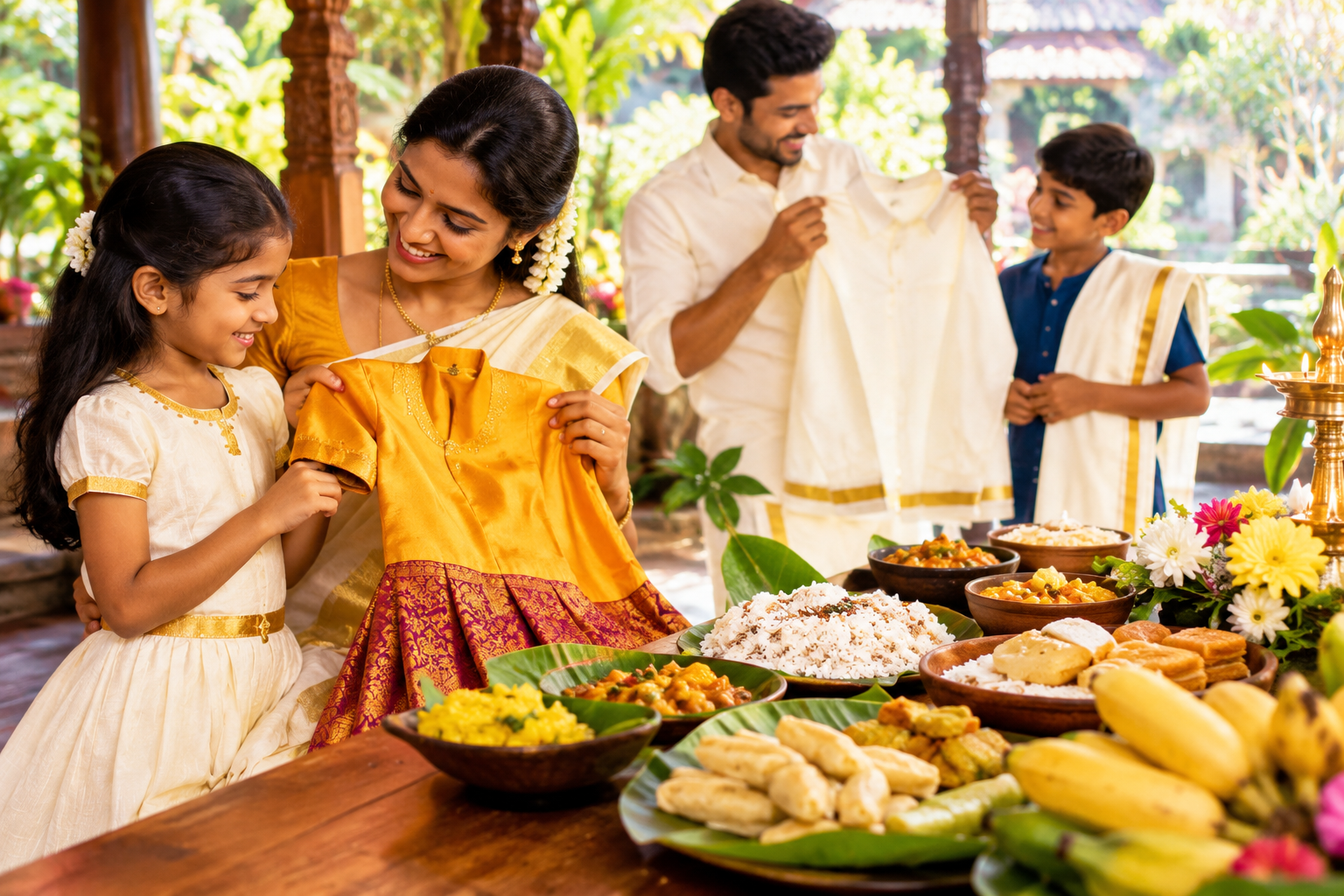
New clothes are an important part of Deepavali celebrations for many families. Wearing something special can express joy, respect for the occasion and the desire to begin a new chapter.
In Sri Lanka, Indian communities and the wider Hindu diaspora, clothing choices may include traditional garments such as saris, veshtis and other culturally significant attire. Customs vary between families and regions.
Food is equally important. Families prepare sweets, savoury snacks and festive meals, sometimes following recipes that have been passed down through generations.
Sharing food is more than satisfying hunger. It is an expression of hospitality, affection and generosity. A plate of homemade sweets offered to a neighbour can communicate goodwill without requiring a lengthy conversation.
For children, the excitement of special food and new clothes may become part of their most treasured childhood memories. For adults, familiar tastes and family recipes can bring back memories of parents, grandparents and celebrations from earlier years.
These traditions demonstrate how cultural identity is preserved through everyday activities as well as religious ceremonies.
7. Fireworks, Environmental Responsibility and Safety
Fireworks have become part of Deepavali celebrations in many communities, adding colour, sound and excitement to the festival. However, they are not essential to the religious meaning of Deepavali, and their use varies across families and regions.
Scientific research has documented increases in air pollution associated with fireworks during Diwali celebrations in several Indian cities. Firecrackers can release fine particulate matter and gases that affect air quality. The resulting pollution may aggravate respiratory and cardiovascular problems, particularly for people with asthma, older adults, children and others who are vulnerable.
Studies have also found that fireworks can create excessive noise, disturb animals and increase the risk of burns, eye injuries and fires.
These concerns invite us to think about how the festival can be celebrated responsibly.
Families can prioritise traditional lamps, decorations, cultural performances, music at reasonable volumes, shared meals and acts of charity. Where fireworks are permitted and used, following local regulations and safety guidance is essential.
Oil lamps also require care. They should be placed on stable, non-flammable surfaces, kept away from curtains and other combustible materials, and never left burning unattended. Children should be supervised, and lamps should be extinguished safely when no longer needed.
A celebration becomes more meaningful when its happiness does not come at the expense of another person’s health or safety.
8. The Importance of Deepavali in Modern Life
Modern life is often filled with deadlines, financial responsibilities, personal struggles and constant digital distractions. In the middle of these pressures, festivals can offer valuable opportunities to reconnect with family, culture and personal values.
Deepavali’s message is especially relevant when people face uncertainty. The idea of light overcoming darkness can encourage us to remain hopeful without pretending that difficulties do not exist.
The festival also reminds us that goodness is demonstrated through action. Lighting a lamp is a beautiful tradition, but treating others with honesty, helping someone in need and refusing to participate in injustice are ways of expressing the same values in everyday life.
A person may decorate an entire house with lamps, yet the deeper meaning of the celebration becomes clearer when that person also brings kindness into relationships.
Similarly, prosperity becomes more valuable when it is shared. A family that offers food to someone who is hungry or supports a neighbour who is struggling puts the spirit of generosity into practice.
In this sense, Deepavali does not have to end when the lamps are extinguished. Its message can continue through the choices we make throughout the year.
9. Celebrating Deepavali with Meaning and Compassion
Every family has its own way of celebrating Deepavali. Some focus on temple worship, while others emphasise family gatherings, traditional food, cultural performances or the lighting of lamps.
There is room for these differences because traditions naturally evolve across communities and generations.
However, the values that make the festival meaningful can be shared widely: compassion, gratitude, hope, generosity and respect.
We can celebrate by remembering elderly relatives, visiting someone who feels lonely, supporting families in need or teaching children the stories behind the rituals they observe.
We can also make environmentally responsible choices, avoid unnecessary waste and ensure that our celebrations are safe for people and animals.
These actions do not diminish the festival’s beauty. They allow its message to become more visible in the world around us.
Ultimately, the brightest celebration is not necessarily the one with the most expensive decorations or the greatest number of lamps. It is the one in which people feel welcomed, respected and loved.
Conclusion: Let the Light of Deepavali Continue Within Us
Deepavali is a festival of light, faith, cultural heritage and renewed hope. Its stories of the victory of good over evil, its traditions of lighting oil lamps and its celebrations of family and generosity have carried meaning across generations.
The lamps are beautiful reminders of the festival’s spiritual message. Science helps us understand how their flames produce light, how combustion works and why the responsible use of traditional lighting matters. Psychology and social understanding also help explain how shared rituals can strengthen relationships, create meaningful memories and encourage reflection.
At the same time, we should recognise the limits of scientific explanations. A lamp’s spiritual significance belongs to religious and cultural belief, while claims about health, air purification or supernatural effects require appropriate evidence.
Perhaps the most important lesson of Deepavali is that light is not only something we place outside our homes. It can also be a symbol of the values we choose to carry within ourselves.
When we replace hatred with understanding, selfishness with generosity and despair with thoughtful hope, we honour the deeper message of the festival.
May every lamp remind us to seek wisdom, every prayer encourage compassion, every shared meal strengthen relationships, and every new beginning bring an opportunity to do better.
Happy Deepavali! May the light of wisdom, peace, love and goodness shine in every home and every heart.
Comments (0)
Leave a comment
No comments yet. Be the first to share your thoughts!
About the Author

Rajendran Keerthana
Tell us a little about yourself.